How to Propagate Gulf skullcap?
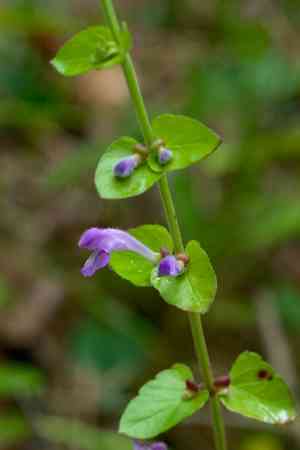
Gulf skullcap, a perennial herbaceous plant belonging to the Lamiaceae family, flourishes in adequately drained earth and receives either partial or complete sun exposure. To propagate, employ newly harvested seeds planted directly into the ground. Sustain steady hydration without saturating the soil. Sprouting generally happens within a few weeks when conditions are favorable. Verify that young plants possess ample room for vigorous development. Precise recognition of the seedlings is crucial to differentiate them from undesirable plants.
Optimal Time for Gulf Skullcap Propagation
Propagation Method
Seeding
Propagation Period
Spring
Tools for Gulf Skullcap Propagation
Seed Tray
A seed tray is vital for planting gulf skullcap seeds. It provides an organized and regulated space for seed germination. Utilizing a tray aids in managing sufficient area and moisture, which is crucial for consistent seedling development.
Seedling Heat Mat
This device delivers steady warmth from below, encouraging faster and more uniform germination of gulf skullcap seeds. The heat promotes strong root formation, essential for the initial phases of plant growth.
Humidity Dome
A humidity dome positioned over the seed tray helps maintain elevated humidity levels, which benefits gulf skullcap seed germination. It prevents moisture loss and establishes a micro-climate that supports robust seedling development.
Seedling Starter Mix
A well-draining, nutrient-rich growing medium is critical for successful gulf skullcap seed germination. The mix ensures good air circulation and moisture retention, offering an ideal environment for seeds to sprout and grow.
Watering Can with Fine Rose
Employing a watering can with a fine rose prevents disruption of gulf skullcap's delicate seeds and seedlings. It aids in evenly distributing water, maintaining adequate moisture without causing soil erosion or seed displacement.
Grow Lights
Supplemental grow lights are important if natural light is insufficient. They provide the necessary light spectrum and intensity, ensuring gulf skullcap seedlings receive adequate light for photosynthesis and healthy growth.
Labeling Stakes
Labeling stakes help track different plant species and varieties when propagating multiple plants. Labels ensure gulf skullcap plants are correctly identified and monitored throughout their growth stages.
Hand Trowel
A hand trowel is essential for transplanting gulf skullcap seedlings from the seed tray to their permanent spot. It allows for gentle handling of young plants, minimizing root disturbance and ensuring successful transplantation.
How to Propagate Gulf Skullcap?
Propagation Type
Simple
Caring for Newly Propagated Gulf Skullcap
Caring for Newly Propagated Gulf Skullcap
Once seedlings have developed a few true leaves, move them into individual pots or directly into well-draining garden soil. Select a location with partial shade to dappled sunlight. Water regularly to keep the soil consistently moist but not waterlogged, and apply a balanced, water-soluble fertilizer every 4-6 weeks during the growing season. Check for pests and diseases, and trim back dead or damaged foliage to encourage healthy growth.
Common Mistakes to Avoid When Propagating Gulf Skullcap
Overwatering
Excessive soil moisture can lead to root rot and fungal diseases, hindering growth and potentially killing gulf skullcap.
Incorrect Soil Mix
Using dense or poorly draining soil can result in inadequate root development and stunted growth of gulf skullcap.
Insufficient Light
Placing gulf skullcap in low-light conditions can cause weak, leggy growth, and reduce propagation success.
Temperature Extremes
Exposing gulf skullcap to excessively cold or hot temperatures can shock the plant, making it difficult for cuttings to root or for seeds to germinate.
Using Diseased Plant Material
Propagating from diseased or infested plant parts can spread pathogens, compromising the health of the new plants.
Tips For Propagating Gulf Skullcap
Well-draining Soil
Utilize a light, well-draining soil mix to ensure proper root development and reduce the risk of root rot.
Moderate Watering
Keep the soil consistently moist but not saturated to provide the ideal environment for root and shoot growth.
Adequate Light
Position gulf skullcap in a location with bright, indirect sunlight to support healthy growth during propagation.
Temperature Control
Maintain a stable environment with moderate temperatures, avoiding extremes to prevent plant stress.
Healthy Cuttings
Choose healthy, disease-free cuttings or seeds to ensure vigorous growth and minimize the risk of disease transmission.



