How to Prune Georgia bulrush?
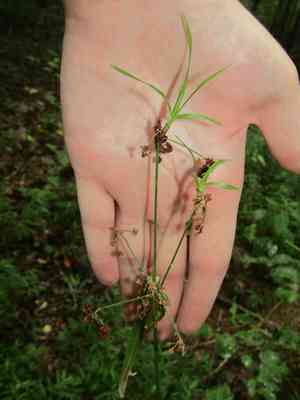
Schoenoplectus georgianus, a perennial that flourishes in wetlands, requires damp environments and exhibits sturdy, grass-like leaves. Trimming is best performed in early spring or during winter to eliminate aged or deceased stalks and stimulate fresh development. This schedule coincides with the plant's inactive phase, reducing stress on the specimen. Consistent trimming guarantees vitality and prevents excessive density, frequently improving the plant's general well-being and visual attractiveness.
Advantages of Trimming Georgia Bulrush
Advantages of Trimming Georgia Bulrush
Trimming georgia bulrush promotes robust development and aids in maintaining its desired form. Regular cutting prevents excessive growth, ensuring georgia bulrush stays healthy and visually pleasing in cultivated areas.
Optimal Period for Trimming Georgia Bulrush
Optimal Period for Trimming Georgia Bulrush
Trimming georgia bulrush in early spring is ideal as it precedes the start of the new growth cycle, enabling the plant to direct its energy towards new shoots and more vigorous development. Pruning in early spring helps eliminate any dead or damaged foliage from winter, thereby preventing disease and fostering strong growth. Winter trimming is also advantageous because georgia bulrush is typically dormant during this season. This minimizes stress on the plant, reducing the risk of shock from cutting and enhancing recovery in spring. Winter pruning also prepares georgia bulrush for vigorous growth as temperatures rise.
Tools Required for Trimming Georgia Bulrush
Long-Handled Lopping Shears
Perfect for reaching into thick clusters of georgia bulrush to cut thicker stems. The extended handles provide leverage and lessen strain on the gardener's back, simplifying the management of georgia bulrush's sturdy growth.
Sharp Scissors or Garden Snips
Best for accurate cuts on the thinner, more delicate stems of georgia bulrush. This allows for careful shaping and removal of unwanted or dead foliage without harming the surrounding stems.
Gardening Gloves
Crucial for protecting hands while handling georgia bulrush, as working with any plant can expose the gardener to sharp edges and potentially irritating plant sap.
How to Trim Georgia Bulrush
Sanitize tools
Ensure all pruning tools are clean and sharp. Disinfect snips or shears with a bleach and water solution to prevent disease transmission.
Identify
Carefully inspect georgia bulrush for any diseased or withered leaves. Look for leaves that are discolored, spotted, or appear dried out and brown.
Remove diseased
Using your disinfected shears, precisely cut off diseased leaves where they meet the stem or the plant's base. Make a clean cut to avoid damaging the healthy parts of georgia bulrush.
Remove withered
Similarly, remove any withered leaves by making clean cuts at their bases. This helps prevent decay organisms from attacking healthy tissues.
Dispose
Properly discard all removed material away from healthy plants to minimize the risk of spreading any pathogens. Do not compost diseased plant material.
Common Trimming Errors with Georgia Bulrush
Excessive trimming
Removing too much foliage from georgia bulrush can stress the plant, leading to reduced vigor and poorer performance. Novice gardeners might prune excessively in an attempt to shape the plant or encourage growth, which can actually harm the overall health of georgia bulrush.
Incorrect technique
Using dull or unsanitized pruning tools can cause jagged cuts that are susceptible to infections and diseases. Not making clean, angled cuts can damage the stems of georgia bulrush, leading to unhealthy plant tissue.
Neglecting plant health
Failing to remove diseased, damaged, or dead parts of georgia bulrush during pruning can allow problems to persist or spread, affecting the plant's overall health.
General Trimming Advice for Georgia Bulrush
Clean and sharp tools
Always use clean, sharp tools when trimming georgia bulrush to make precise cuts. This helps prevent infection and ensures a healthier recovery for the plant.
Trim selectively
Focus on removing only the damaged, diseased, or overly dense parts of georgia bulrush. This encourages better air circulation and light penetration, essential for the health and growth of georgia bulrush.
Incorporate gentle shaping
While shaping georgia bulrush, aim to maintain its natural form. Avoid heavy-handed pruning which can lead to an unnatural appearance and stress the plant.



