How to Propagate Georgia bulrush?
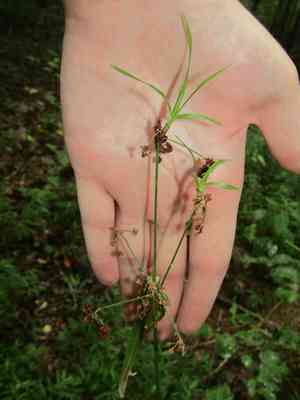
Georgia bulrush flourishes when multiplied via separation, a technique highly effective for this resilient perennial. For propagation, gently divide the root mass into smaller portions, making sure every new segment possesses sufficient roots. This procedure is generally performed during phases of vigorous development to encourage rapid rooting. Following division, confirm the segments are placed in moist, adequately draining substrate, replicating their native wetland environments. Consistent irrigation and exposure to partial or full sunlight will stimulate robust development.
Optimal Time for Georgia Bulrush Propagation
Propagation Type
Division
Propagation Season
Spring,Autumn
Tools for Georgia Bulrush Propagation
Sharp Knife or Garden Shears
Utilized for precise cuts through the root systems of georgia bulrush during the division process. A sharp implement ensures clean incisions, minimizing plant tissue damage, aiding faster recovery, and lowering infection risk. Sterilize tools before use to prevent disease spread.
Watering Can with Fine Rose
Crucial for gently watering georgia bulrush after division. The fine rose attachment evenly and softly distributes water, preventing soil erosion around new divisions and assisting plant establishment in its new spot. Proper watering supports root growth and lessens transplant shock.
Gardening Gloves
Protects hands from sharp edges and potential irritants when handling georgia bulrush, especially important with its rough, fibrous material. Gloves also improve grip, ensuring safe handling during division.
Garden Fork or Spade
Used to loosen soil around georgia bulrush before division, simplifying the lifting of the entire plant without harming the root structure. This tool is vital for minimizing root disturbance, essential for maintaining plant health.
Rooting Hormone (optional)
Though not mandatory, applying rooting hormone to georgia bulrush's cut surfaces can stimulate faster root development and boost overall propagation success. This is particularly helpful for less vigorous or smaller divisions.
Label and Marker
Used to tag each georgia bulrush division, noting key details like division date and specific care needs. Labels help monitor each division's growth and health, allowing for care adjustments for optimal establishment.
How to Propagate Georgia Bulrush?
Propagation Type
Easy
Caring for Newly Propagated Georgia Bulrush
How to Care for Your Newly Propagated Georgia Bulrush?
After propagating georgia bulrush, continue to monitor and maintain consistently moist soil, providing extra water during dry spells. Mulch around the base to retain moisture and suppress weeds. Regularly check for pests and diseases, and remove dead or damaged foliage to encourage healthy growth. Lightly fertilize in early spring with a balanced fertilizer to promote robust development.
Common Propagation Mistakes for Georgia Bulrush
Poor soil choice
Selecting the wrong soil type can hinder root development and cause waterlogging for georgia bulrush. This can impede growth or lead to root rot, compromising the plant's overall health and survival.
Overwatering
Excessive watering is especially harmful as it causes oxygen deprivation and root diseases. Georgia bulrush's root system needs a balance of moisture and air to thrive.
Insufficient cloning depth
When propagating georgia bulrush via cloning, placing cuttings too shallow in the substrate can result in poor establishment and increased susceptibility to environmental stressors.
Tips For Propagating Georgia Bulrush
Appropriate soil mix
Utilizing a well-draining, nutrient-rich soil helps ensure georgia bulrush's healthy growth and strong root system. Incorporating organic matter can improve soil structure and fertility.
Balanced watering regimen
Maintaining consistent moisture levels without overwatering supports optimal growth conditions for georgia bulrush. Allow the soil to dry slightly between waterings to encourage a robust root system.
Adequate cloning depth
Position cuttings at a suitable depth in the substrate to secure them properly and promote better root development and stability for georgia bulrush.



