The Georgia bulrush Plant Advantage: Maximizing Home and Office Appeal and Wellness
1
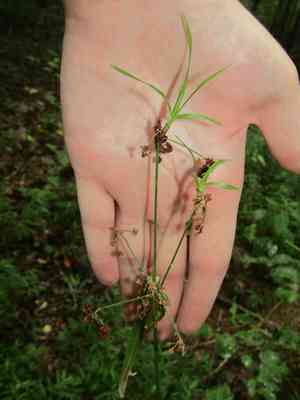
Georgia bulrush is excellent for preventing soil loss and filtering water.
2
It offers shelter and sustenance, benefiting various animal species.
3
This plant is hardy and well-suited for efforts to restore wetlands.
Why is Georgia Bulrush Important for Soil and Water Management?
Role in Soil Erosion Control
A key advantage of Georgia bulrush is its strong root system, which aids in stabilizing soil and preventing erosion. The plant's roots firmly anchor the soil, lessening displacement caused by water or wind. This trait makes it especially useful in areas prone to erosion, such as riverbanks, wetlands, and coastal zones.
Contributions to Water Purification
Georgia bulrush plays a vital role in water purification, acting as a natural filter in aquatic settings. Its roots can absorb and trap pollutants, sediments, and nutrients from water, lowering the risk of contamination. This capability makes the plant a crucial element in preserving the health and clarity of water bodies.
How Does Georgia Bulrush Support Biodiversity?
Habitat for Wildlife
Georgia bulrush provides essential living space for a wide array of wildlife, including birds, insects, and aquatic creatures. By forming dense plant growth, it offers shelter and breeding grounds for species that depend on these environments for survival. The presence of Georgia bulrush can boost an ecosystem's biodiversity, contributing to its resilience and vitality.
Food Source for Wildlife
Beyond offering habitat, Georgia bulrush serves as a critical food source for various wildlife. Birds and small mammals often consume its seeds, while insects and aquatic organisms benefit from the plant's foliage and decaying matter. Supporting these food webs helps maintain balanced and flourishing ecosystems.
What Are the Applications in Wetland Restoration?
Restoration Projects
Georgia bulrush is widely utilized in wetland restoration projects due to its adaptability and hardiness. It can thrive in diverse wetland conditions, from freshwater to mildly saline environments. This versatility makes it an excellent choice for re-vegetating degraded wetlands and enhancing the overall ecological functions of these areas.
Flood Mitigation
Wetland restoration involving Georgia bulrush can play a crucial role in flood control. The plant's capacity to absorb significant amounts of water helps in managing floodwaters, reducing the impact of heavy rainfall and storm surges. This characteristic can safeguard both natural and human communities from flood-related damage.
Are There Any Landscape and Aesthetic Benefits?
Ecological Landscaping
Georgia bulrush can be incorporated into ecological landscaping designs for its visual appeal and functional attributes. Its lush greenery and ability to support biodiversity make it a valuable addition to gardens, parks, and natural preserves. Ecological landscaping with Georgia bulrush can enhance visual beauty while promoting environmental advantages.
Educational and Recreational Value
People can also appreciate Georgia bulrush for its educational and recreational worth. Nature enthusiasts and students can learn about local flora, wetland ecosystems, and conservation practices through hands-on activities. Parks and reserves featuring Georgia bulrush offer tranquil settings for leisure and outdoor pursuits, fostering a greater appreciation for nature.



