How to Prune Green bulrush?
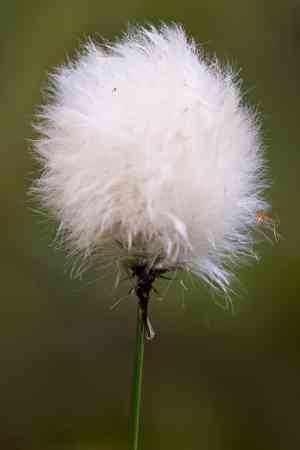
A resilient, enduring sedge flourishing in aquatic environments, green bulrush needs infrequent trimming. Optimal pruning occurs in early spring or winter to eliminate deceased or discolored leaves and manage its expansion. Cutting back the plant fosters robust development and preserves its intended appearance. Excising faded flower stems can stimulate fresh growth. Pruning during its inactive period reduces strain on green bulrush, aiding in strong spring revival.
Advantages of Trimming Green Bulrush
Advantages of Trimming Green Bulrush
Trimming green bulrush can encourage robust development and helps maintain its desired form. By cutting back old and overgrown stems, you promote the emergence of fresh, healthy shoots, ensuring a vigorous appearance and improved plant architecture.
Optimal Time for Trimming Green Bulrush
Optimal Time for Trimming Green Bulrush
Trimming or cutting back green bulrush during early spring is ideal as the plant is emerging from dormancy, which typically aligns with a period of vigorous growth. This timing allows the plant to recover quickly from cuts and allocate resources to new development. Additionally, pruning before the start of the growing season helps maintain the plant's desired shape and encourages healthier, denser foliage. Winter pruning is also effective for green bulrush because the plant is in a dormant state, minimizing stress and reducing sap flow. This prevents excessive bleeding from cuts that could attract pests and diseases. Moreover, the absence of leaves during winter provides better visibility for identifying and removing any dead or damaged tissue, promoting overall plant health and vigor in preparation for the upcoming growing season.
Tools Required for Pruning Green Bulrush
Hand Pruners
Green bulrush typically have sturdy, grass-like stems that can be managed with sharp, bypass hand pruners. These allow for precise cuts without crushing the stems.
Grass Shears
For trimming and shaping the clustered growth of green bulrush, grass shears offer an excellent method to sculpt the plant without harming the foliage.
Heavy-Duty Scissors
If maintenance involves cutting thin, softer parts of green bulrush, heavy-duty scissors can be suitable for making clean cuts.
Long-Handled Loppers
When dealing with thicker or tougher stems of green bulrush that hand pruners cannot manage, long-handled loppers provide the extra leverage needed to make the cut.
Pruning Saw
For mature clumps of green bulrush with thicker, woodier stems, a pruning saw may be necessary for removal or extensive pruning tasks.
How to Prune Green Bulrush
Identify diseased leaves
Carefully inspect green bulrush for any indications of diseased leaves, such as discoloration, spots, or unusual markings.
Sanitize tools
Before beginning the pruning process, sterilize the pruning tools to prevent the spread of disease to healthy parts of green bulrush.
Prune diseased leaves
Carefully trim off diseased leaves at the base of the leaf stem, ensuring not to harm the main stem or adjacent healthy leaves of green bulrush.
Identify withered leaves
Look for withered or dead leaves on green bulrush, which might appear brown, crispy, or visibly deteriorated.
Prune withered leaves
Gently remove withered leaves from green bulrush by cutting them at the base of the leaf stem, using the same sanitized pruning tools.
Common Pruning Errors with Green Bulrush
Over pruning
Removing too much foliage can stress green bulrush, leading to poor growth or increased susceptibility to disease.
Cutting into old wood
Pruning into the old, hard stem tissue that may not regenerate can reduce green bulrush's vitality and future growth.
Ragged cuts
Making imprecise or jagged cuts can damage green bulrush's stems and introduce disease.
Removing too much top growth
Taking off too much of the top growth can imbalance the root-to-shoot ratio, affecting green bulrush's ability to nourish its structure.
Ignoring dead material
Failing to remove dead or dying foliage could prevent green bulrush from directing energy to healthier growth.
Pruning during peak growth
Pruning when green bulrush is actively growing can interrupt its growth cycle and cause undue stress to the plant.
General Pruning Advice for Green Bulrush
Clean tools
Always use sterilized and sharp pruning tools to make clean cuts and prevent the spread of disease to green bulrush.
Correct cut location
Make cuts just above a node or branching point to encourage green bulrush to direct energy into producing new growth.
Moderation
Green bulrush typically requires light pruning. Aim to remove only dead or damaged foliage to maintain plant health.
Maintain natural shape
Prune green bulrush in a way that maintains its natural form, avoiding over sculpting, which can lead to unnatural growth patterns.
Thin out
Thin out green bulrush's center to promote air circulation, which can help prevent fungal diseases common in dense growth.
Post-bloom pruning
Prune spent flower stalks of green bulrush to redirect energy into root and vegetative growth rather than seed production.



