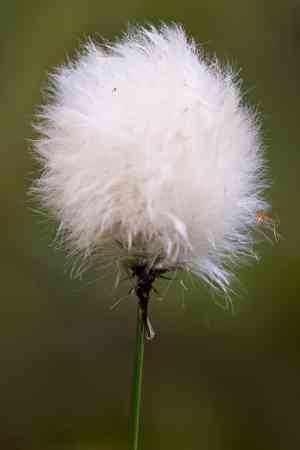
Green bulrush (Scirpus atrovirens)
Also known as: Dark-Green Bulrush, Willdenow , Black bulrush
*Scirpus atrovirens*, also known as dark-green bulrush, is a perennial sedge native to eastern Canada and the United States. It typically reaches heights of 30 to 90 centimeters (1 to 3 feet) and features unbranched, grass-like stems with yellowish-green to dark-green linear leaves. While it is not commonly recognized as a psychoactive plant, among the Tarahumara of Mexico, it holds cultural importance and is often utilized in traditional weaving crafts, such as mats and baskets, due to its strong and flexible stems.
In This Article
Attributes of Green bulrush
Lifespan
Perennial
Plant Type
Grass
Plant Height
76 cm to 1.2 m
Spread
60 cm to 1.2 m
Leaf Color
Dark green
Flower Size
Small, around 1 cm
Flower Color
Yellow Red Brown
Images of Green bulrush
Quickly Identify Green bulrush
1
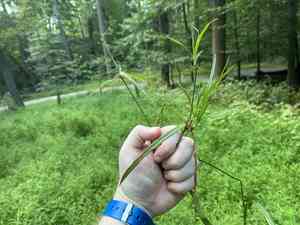
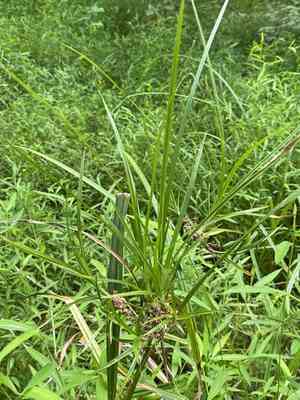
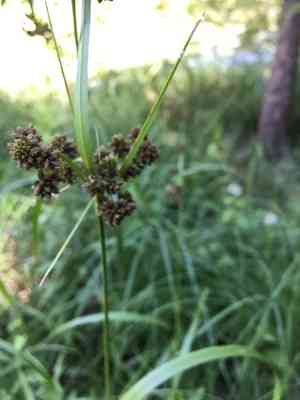
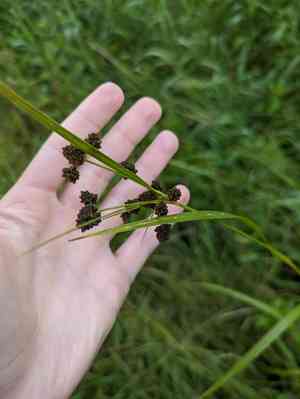
To identify Scirpus atrovirens, look for its clumping growth habit and triangular stems. The dark green foliage and the presence of spikelet clusters positioned along the upper portion of the stems are also distinguishing features.
Scientific Classification of Green bulrush
Phylum
Vascular plants
Class
Monocotyledons
Order
Poales
Family
Sedge
Genus
Club-rushes
Species
Green bulrush
Planting and Growing of Green bulrush
Care Difficulty
Easy
Watering Schedule
Every 8 days
Sunlight Requirements
Full sun
Sunshine Duration
4-8 hours
Ideal Temperature
60-75℉
Soil Type
Potting Mix, Peat Mix
Soil pH
5.5-7.5
Fertilizer Type
Balanced
Pruning Season
Spring, Summer
Pruning Area
Branches, Leaves
Pruning Frequency
2 times a year
Repotting Season
Spring
Pot Type
Plastic, Ceramic
 How to Water Green bulrush?
Scirpus atrovirens, commonly known as the green bulrush, thrives in wet environments. It should be watered deeply, ensuring the soil is consistently moist but not waterlogged. In a potted setting, aim to see water slightly pooling on the top layer, ensuring it drains well to prevent root rot.
What are the symptoms of an underwatered Green bulrush?
›
What should I do if my Green bulrush is not getting enough water?
›
What are the symptoms of an overwatered Green bulrush?
›
How to save an overwatered Green bulrush?
›
 What Are the Sunlight Requirements for Green bulrush?
For optimal growth, Scirpus atrovirens should be situated in areas that provide partial to full sun exposure. This light range supports strong stems, vibrant foliage, and abundant flowering.
More About Sunlight Requirements Techniques→
How much sunlight does Scirpus atrovirens ideally need?
›
Where should this plant be positioned to receive ideal lighting?
›
How can we ensure Scirpus atrovirens gets the ideal light condition during cloudy or short days?
›
 What Is the Ideal Temperature Range for Green bulrush?
Scirpus atrovirens thrives best in temperatures ranging from 60°F to 75°F. This range ensures optimal growth and health as it supports the plant's metabolic processes effectively. Keeping the plant within this temperature window mimics its natural habitat conditions, promoting robust development and resilience.
 What Soil is Best for Green bulrush?
Scirpus atrovirens thrives in nutrient-rich soil, which provides essential minerals for healthy growth, promoting robust plant development and resistance against pests and diseases. This plant requires consistently moist soil, mirroring its natural habitat in marshy areas. Proper moisture retention aids in sustaining plant health and vitality. While it enjoys moist conditions, good drainage is crucial to prevent root rot. It balances the water absorption needs and protects against over-saturation.
 How to Fertilize Green bulrush?
For Scirpus atrovirens, apply a balanced liquid fertilizer at a rate of half the recommended dosage for a standard garden plant. This ensures the plant receives sufficient nutrients without overwhelming its root system, which prefers light but steady feeding. Make sure each feeding is followed by adequate watering to assist nutrient absorption.
 How to Prune Green bulrush?
Begin by identifying and removing any dead or damaged stems. Cut them back to the base or healthy part of the plant. This will improve air circulation and prevent potential disease spread, promoting overall plant health. Trim back excessive growth to maintain the desired shape and size. Aim to remove no more than one-third of the plant at a time to avoid stressing it. This helps in managing the plant's vigor and preventing it from overtaking other nearby plants. For aesthetic purposes, shape the plant by trimming long or uneven stems. Maintain a natural look by avoiding too many straight cuts. Pruning in this manner will ensure that your plant retains its naturally attractive appearance.
More About Pruning Techniques→
 How to Propagate Green bulrush plant?
1
To propagate Scirpus atrovirens from seeds, start by harvesting mature seeds from existing plants. Clean them thoroughly to remove any debris or pulp. Soak the seeds in water for 24 hours to improve the germination rate. Fill seed trays with a quality seed-starting mix, and plant the seeds just below the surface. Maintain consistent moisture and warmth to encourage sprouting.
2
Division is an effective method for propagating Scirpus atrovirens, particularly in early spring. Gently dig up the plant, being careful to keep roots intact. Use a sharp garden trowel to divide the rhizomes or root clumps into smaller sections. Each division should have healthy roots and shoots. Replant each section immediately at the same depth it was originally growing.
3
After dividing and planting, water the new divisions thoroughly to settle the soil around the roots. Apply mulch around the base to retain moisture and regulate soil temperature. Monitor the plants regularly for signs of stress, such as wilting or yellowing, and adjust water levels accordingly.
 How to Repot Green bulrush plant?
1
For Scirpus atrovirens, repotting is signaled by crowded roots protruding from drainage holes or stunted growth. These signs usually appear every couple of years, indicating it's time to give the plant new room and resources.
2
Select a pot that is one size larger than the current one, with adequate drainage holes. This ensures sufficient room for root growth while preventing waterlogging, promoting a healthy root system.
3
Opt for a moist, well-draining soil mix. This type of soil supports Scirpus atrovirens' preference for wet habitats while preventing overwatering. A mix containing loam and organic matter is ideal.
Learn More About Green bulrush Diseases
Anthracnose
Bacterial Leaf Spot
Bacterial Soft Rot
Bacterial Wilt
Chemical Injury
Damping-off
Downy Mildew
Drought Stress
Fusarium Wilt
Gray Mold
Leaf Spot
Mosaic
Nutrient Deficiency
Nutrient Toxicity
Powdery Mildew
Root Rot
Root-knot Nematode
Rusts
Sooty Mold
Spider Mites
Temperature Stress
Thrips Damage
White Mold



