How to Prune Beach naupaka?
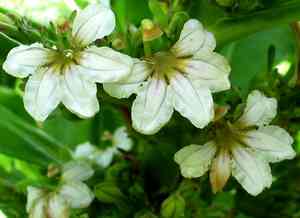
A halophyte bush featuring fan-like blossoms, beach naupaka flourishes in seaside habitats. Trim to preserve its form and eliminate compromised sections, employing precise cuts to avert illness. The colder months are the perfect period for pruning to encourage development in spring. Trimming improves air circulation, diminishes the likelihood of pests, and fosters denser leaves. Restrict pruning to one-third of its growth to avert strain.
What Are the Benefits of Pruning Beach Naupaka?
What Are the Benefits of Pruning Beach Naupaka?
Trimming beach naupaka encourages robust development and preserves its intended form. Regular cutting promotes air circulation and sun exposure, vital for strong health and disease resistance.
What Is the Best Time for Pruning Beach Naupaka?
What Is the Best Time for Pruning Beach Naupaka?
Winter is considered the ideal period for pruning beach naupaka due to several reasons. First, during winter, beach naupaka typically enters a slower growth phase, making it the perfect time to prune without significantly disrupting its growth cycle. This dormancy allows the plant to focus energy on healing cuts and initiating new growth when the active season returns. Second, winter pruning minimizes the risk of disease and pest infestation as many pathogens and insects are less active in colder months. Additionally, pruning before spring aids in better shaping the plant and encourages more vigorous growth and flowering in the upcoming season. Lastly, since beach naupaka may have completed its flowering or fruiting cycle by this time, pruning will not negatively impact the plant's ability to reproduce.
What Tools Do I Need to Prune Beach Naupaka?
Hand Pruners
Perfect for making precise cuts on beach naupaka, hand pruners are useful for snipping off damaged or overgrown branches. As beach naupaka is a shrub, hand pruners allow for selective trimming without harming surrounding foliage.
Lopping Shears
These are necessary for branches too thick for hand pruners. Beach naupaka may develop denser stems as it matures, and lopping shears provide the leverage needed for clean cuts on thicker growth.
Pruning Saw
For the thickest branches of beach naupaka, a pruning saw is essential. It enables gardeners to remove larger branches that hand pruners or lopping shears cannot manage, ensuring a clean cut without tearing the plant's tissue.
Hedge Shears
Beach naupaka can be used for hedging or shaping due to its dense growth habit. Hedge shears are ideal for shaping beach naupaka into formal designs or for a neat hedge appearance, allowing for quick, even cuts over a larger area.
Gloves
Always recommended to protect the gardener's hands from scratches and sap that could cause skin irritation when pruning beach naupaka.
Disinfectant
To prevent the spread of diseases when cutting beach naupaka, it is crucial to use a disinfectant on the tools before moving to another plant or making another cut.
How to Prune Beach Naupaka
Step1: Identifying Trimmable Parts
Identify the sections of beach naupaka that need trimming. Focus on overgrown shoots, diseased wood, and dead stems. Always inspect the plant thoroughly before you begin pruning.
Step2: Tool Preparation and Sterilization
Prepare your tools. Use sharp, clean pruning shears or scissors for smaller stems and loppers or a saw for larger branches. Sanitize your tools before and after use to prevent disease transmission.
Step3: Dead Stem Removal
Begin by removing dead stems. Cut these back to the base or to the point of healthy tissue. Make clean cuts at a 45-degree angle to promote healing and discourage water accumulation, which could lead to disease.
Step4: Diseased Wood Cutting
Next, prune diseased wood. Remove any affected branches by cutting well into healthy tissue to ensure all diseased material is eliminated. Dispose of diseased wood properly and avoid composting it.
Step5: Shaping via Overgrown Shoot Trimming
Shape beach naupaka by trimming overgrown shoots. Cut back these shoots to maintain the desired shape and size. Be careful not to remove more than one-third of the plant in a single pruning session, as this can stress the plant.
Step6: Thinning for Air Circulation
Thin the plant to improve air circulation if it is very dense. Remove some of the inner branches by pruning back to a main stem or an outward-facing bud. This will help reduce the risk of fungal diseases.
Step7: Cleanup of Pruning Debris
After pruning, clear all trimmings from the ground to reduce the likelihood of pests and diseases. Compost healthy plant material, and make sure to dispose of any infected or dead plant parts in the trash.
Step8: Post-Pruning Plant Care
Water beach naupaka after pruning to aid its recovery, and apply a balanced fertilizer if it's during the growing season to encourage new growth.
Step9: Observation for Post-Pruning Recovery
Continue to monitor beach naupaka after pruning for signs of stress or disease, and provide appropriate care as needed.
Post-Pruning Care for Beach Naupaka
Post-Pruning Care for Beach Naupaka
Immediately after pruning beach naupaka, water lightly to reduce stress and encourage healing. Position beach naupaka in partial sunlight; avoid harsh direct rays. Maintain moderate humidity and stable temperatures to support recovery. A balanced, slow-release fertilizer will promote growth without overwhelming beach naupaka. Regularly check for wilting or discolored foliage—indicators of stress or disease. If symptoms persist, adjust care and consult an expert. Careful monitoring during this vulnerable period is crucial for beach naupaka's return to robust health.
Common Pruning Mistakes with Beach Naupaka
Ignoring Dead or Diseased Branches
Failing to remove dead or diseased branches, which can hinder healthy growth and potentially lead to further infection or infestation in beach naupaka.
Over-Pruning
Pruning too aggressively, removing too much foliage at once, which can shock beach naupaka and result in poor growth or even plant death.
Using Dull or Dirty Tools
Using dull or dirty pruning tools, which can cause jagged cuts that are more susceptible to disease and may damage beach naupaka.
Distorting Natural Plant Shape
Failing to maintain the natural shape of the plant, leading to an unnatural appearance and potentially harming the plant's structure.
Overlooking Plant Growth Habits
Ignoring the growth habit of beach naupaka, such as its spreading nature, which is important to consider to maintain the plant's health and desired form.
Common Pruning Tips for Beach Naupaka
Sterilize Tools to Prevent Disease
Sanitize pruning tools before and after use to prevent the spread of disease among beach naupaka specimens.
Prune Dead or Diseased Branches Carefully
Identify and gently prune away any dead, diseased, or damaged branches to promote healthy growth and improve air circulation within beach naupaka.
Maintain Natural Form with Shaping Cuts
Perform shaping cuts to maintain the natural form of beach naupaka, enhancing its aesthetic appeal without compromising plant health.
Prune for Airflow and Light Penetration
Prune strategically to encourage airflow and light penetration, which can reduce the likelihood of fungal diseases and help beach naupaka to flourish.
Make Proper Angled Cuts for Healing and Growth
Ensure that cuts are made at a 45-degree angle just above healthy buds or branching points to facilitate proper healing and new growth in beach naupaka.



