How to Propagate Beach naupaka?
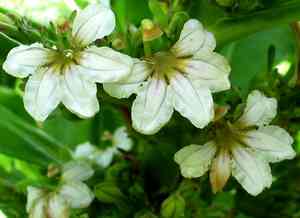
Beach naupaka is effectively multiplied via cuttings, ideally during the warmer periods of spring and summer. This process presents a moderate challenge, with successful rooting indicated by the appearance of fresh shoots. Sufficient hydration and proper water runoff are crucial.
Optimal Time for Beach Naupaka Propagation
Propagation Method
Cutting
Propagation Period
Spring, Summer
Tools for Beach Naupaka Propagation
Sharp Pruning Shears
Utilized for making clean cuts from the parent plant without causing undue harm, crucial for preventing disease entry during the cutting process. Sharp blades ensure a quick cut that encourages superior healing and rooting for beach naupaka cuttings.
Rooting Hormone
Applied to the base of cuttings to hasten root development. Using rooting hormone boosts the likelihood of successful rooting by stimulating root growth in beach naupaka, especially beneficial for plants that are harder to root.
Sterilization Equipment (e.g., Rubbing Alcohol or Bleach Solution)
Ensures all cutting tools and containers are free from pathogens. Sterilization is vital in preventing the spread of plant diseases during propagation, safeguarding beach naupaka's health.
Propagation Tray with Dome
Offers a controlled, high-humidity environment essential for beach naupaka cuttings to retain moisture and avoid wilting while roots form. The dome also helps maintain a steady temperature, key for root development.
Perlite or Vermiculite
Used to create a well-draining propagation medium that holds enough moisture without becoming waterlogged. This is particularly important for beach naupaka, ensuring proper aeration and water retention in the root zone during initial rooting stages.
Heating Mat
Maintains the propagation medium at a consistent, ideal temperature to encourage root growth in beach naupaka cuttings. Providing bottom heat can significantly improve rooting success for beach naupaka cuttings, especially in cooler settings.
How to Propagate Beach Naupaka?
Propagation Type
Cutting
Difficulty Level
Moderately Difficult
Caring for Newly Propagated Beach Naupaka
Caring for Newly Propagated Beach Naupaka
For successful post-propagation growth, beach naupaka needs full sun to partial shade and well-drained soil. They are salt-tolerant and drought-resistant once established. Consistent watering should continue until the new beach naupaka plants are well-rooted, after which they can endure drier conditions. Fertilize sparingly during the growing season and prune to maintain shape and remove any diseased or damaged parts. Monitor for pests and diseases, and apply treatments as needed.
Common Errors to Avoid When Propagating Beach Naupaka
Poor cutting selection
Choosing weak or unhealthy cuttings can lead to failed propagation as they may lack the vitality to establish roots and grow. This can result in stunted growth or the death of the cutting before it takes hold.
Overwatering
Excessive moisture can cause rot in beach naupaka cuttings, impeding root development and potentially killing the plant material.
Underestimating light requirements
Beach naupaka thrives in bright conditions. Insufficient light can weaken cuttings, reducing the likelihood of successful root formation and growth.
Failing to remove leaves
During propagation, not removing the lower leaves of cuttings can lead to decay when submerged in water or buried in soil, negatively impacting root formation.
Tips For Propagating Beach Naupaka
Healthy cutting selection
Choosing robust and healthy cuttings from beach naupaka will increase the chances of successful propagation as these cuttings are more likely to root and grow vigorously.
Proper watering
Maintain a balance in watering practices. The soil should be kept consistently moist but not waterlogged to promote healthy root growth without causing rot.
Sufficient lighting
Providing bright, indirect light supports the rooting and growth of beach naupaka cuttings. Adequate light is essential for photosynthesis and energy production in the new plants.
Preparing cuttings correctly
Proper preparation of cuttings by removing the lower leaves can prevent decay and promote better contact with soil or water, enhancing rooting success for beach naupaka.



