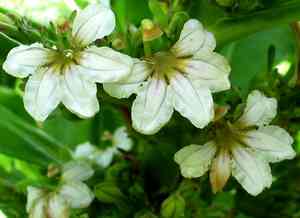
Beach naupaka (Scaevola sericea)
Also known as: Sea lettuce, Beach grape, Papatjeda, Magoo
Beach naupaka (*Scaevola sericea*) is a robust shrub reaching up to 3 meters in height, thriving in dry coastal regions of tropical climates. Its fruit has the unique ability to float and can still sprout after spending up to a year in salt water.
In This Article
Attributes of Beach naupaka
Lifespan
Perennial
Plant Type
Shrub
Plant Height
4 m
Spread
3 m
Leaf Color
Green Yellow
Flower Size
1.9 cm
Flower Color
White Green Cream Purple
Images of Beach naupaka
Quickly Identify Beach naupaka
1
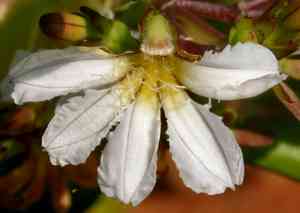
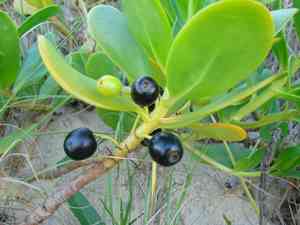
Identifying Scaevola sericea involves looking for its distinctive semi-circular or fan-shaped white or light purple flowers. The plant has leathery, oval-shaped leaves with a succulent texture and can often be found in sandy coastal environments.
Scientific Classification of Beach naupaka
Phylum
Vascular plants
Class
Dicotyledons
Order
Asterales
Family
Goodenia
Genus
Naupaka
Species
Beach naupaka
Planting and Growing of Beach naupaka
Care Difficulty
Easy
Watering Schedule
Every 4 days
Sunlight Requirements
Full sun
Sunshine Duration
6-10 hours
Ideal Temperature
65-85℉
Soil Type
Potting Mix, Peat Mix
Soil pH
6.5-7.5
Fertilizer Type
Balanced
Pruning Season
Spring, Summer
Pruning Area
Branches, Leaves
Pruning Frequency
2 times a year
Repotting Season
Spring
Pot Type
Plastic, Ceramic
 How to Water Beach naupaka?
When watering Scaevola sericea, ensure the soil is thoroughly moistened but not waterlogged, providing around 500ml of water each time. Follow the principle of soaking the soil completely, ensuring excess water drains out to avoid root rot.
What are the symptoms of an underwatered Beach naupaka?
›
What should I do if my Beach naupaka is not getting enough water?
›
What are the symptoms of an overwatered Beach naupaka?
›
How to save an overwatered Beach naupaka?
›
 What Are the Sunlight Requirements for Beach naupaka?
Scaevola sericea flourishes in full sun to partial sun settings, benefiting from enhanced photosynthesis, encouraging dense foliage, and promoting abundant flower production when light conditions meet its needs.
More About Sunlight Requirements Techniques→
How much sunlight does the Scaevola sericea need daily?
›
What solutions can help ensure adequate sunlight?
›
What benefits does ideal lighting bring?
›
 What Is the Ideal Temperature Range for Beach naupaka?
For optimal growth, Scaevola sericea prefers a warm, tropical climate with temperatures ranging from 65°F to 85°F. These temperatures align closely with its natural habitat, where it thrives in sunny, coastal areas. Maintaining this range ensures robust growth and vibrant foliage.
 What Soil is Best for Beach naupaka?
Scaevola sericea thrives in sandy soils that provide excellent drainage. These soils replicate its natural coastal habitats, preventing root rot from waterlogged conditions. While sandy soils are ideal, a nutrient-rich loam can support Scaevola sericea's growth by supplying essential nutrients and facilitating moderate moisture retention. This enhances its lush foliage. The soil should maintain warmth, mimicking the warm beach environments Scaevola cherishes. Warm soils quicken metabolic activities, boosting growth speed and plant health.
 How to Fertilize Beach naupaka?
Scaevola sericea, commonly known as 'beach naupaka,' requires a balanced approach to fertilization. When using liquid fertilizers, ensure to dilute the solution to half the recommended strength. For slow-release fertilizers, apply a measurement of about 1 pound per 100 square feet to maintain healthy growth.
 How to Prune Beach naupaka?
When pruning Scaevola sericea, always wear gloves to protect your hands from sharp tools and possible allergens. Monitor the plant throughout the seasons to decide the optimal time for pruning, focusing on times when growth slows down. Ensure your tools are sterilized before and after use to prevent the spread of plant diseases. In regions prone to pests, apply neem oil after pruning to offer additional protection. Keep an eye out for any abnormal growths as these may require specialized treatment.
More About Pruning Techniques→
 How to Propagate Beach naupaka plant?
1
Begin by soaking the seeds of Scaevola sericea in warm water for 24 hours. This helps to soften the seed coat and promote faster germination. After soaking, plant the seeds in well-draining seed trays filled with sterile potting mix, covering them lightly with soil.
2
Choose healthy, non-flowering stems for cutting propagation, ideally about 4-6 inches long. Make a clean cut just below a node and remove any leaves from the lower half of the cutting. Dip the cut end in rooting hormone to encourage root development.
3
Place the prepared cuttings in pots filled with a mix of sand and peat moss. Position them in a warm, bright location but away from direct sunlight. Keep the soil consistently moist but not waterlogged. Covering the cuttings with a clear plastic bag can help maintain humidity.
 How to Repot Beach naupaka plant?
1
Scaevola sericea needs repotting when its roots start peeping through the drainage holes. This indicates the plant has outgrown its current home and needs more space. Additionally, reduced growth despite watering and fertilization suggests it’s time for a bigger pot.
2
When selecting a pot for Scaevola sericea, ensure it is at least 2 inches larger in diameter than the current one to provide ample space for root expansion. Opt for pots with good drainage holes to prevent waterlogging, which can lead to root rot.
3
Choose a sandy, well-draining potting mix to encourage healthy root growth and prevent water retention. This type of soil mimics its natural coastal habitat, allowing for optimum oxygen flow and preventing root diseases.
Learn More About Beach naupaka Diseases
Anthracnose
Bacterial Leaf Spot
Bacterial Soft Rot
Bacterial Wilt
Black Spot
Chemical Injury
Crown Gall
Damping-off
Downy Mildew
Drought Stress
Fusarium Wilt
Gray Mold
Leaf Curl
Leaf Spot
Mosaic
Nutrient Deficiency
Nutrient Toxicity
Powdery Mildew
Root Rot
Root-knot Nematode
Rusts
Sooty Mold
Spider Mites
Temperature Stress
Thrips Damage
White Mold



