How to Prune Badlands mule-ears?
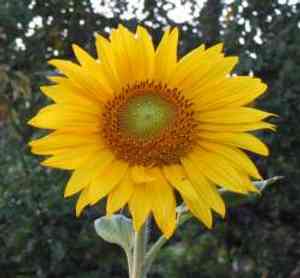
This enduring plant, characterized by its unique mule-ear shaped leaves, badlands mule-ears, needs only light trimming to eliminate withered or compromised foliage. Perform pruning in late spring or early summer after flowering to stimulate robust development and improve its aesthetic. Refrain from extensive cutting; instead, concentrate on thinning out mature leaves and faded flower stems to preserve the plant's well-being. Consistent trimming aids badlands mule-ears by fostering air movement, lowering the chance of illness, and potentially encouraging a subsequent flowering period.
What Are the Benefits of Pruning Badlands Mule-ears?
What Are the Benefits of Pruning Badlands Mule-ears?
Trimming badlands mule-ears encourages robust development, leading to sturdy stems and a strong structure. By carefully cutting back the plant, gardeners can maintain its preferred form and dimensions, thereby enhancing its overall visual appeal.
What Is the Best Time for Pruning Badlands Mule-ears?
What Is the Best Time for Pruning Badlands Mule-ears?
Trimming badlands mule-ears in late spring allows for the removal of any winter damage sustained during colder periods. This timing also coincides with the start of badlands mule-ears's active growth phase, fostering healthy new growth without unduly stressing the plant. Early summer pruning is advantageous for shaping the plant and managing its size following the initial spring growth surge. Pruning in early summer also prevents cutting off flower buds, which typically form at this time. It ensures the natural flowering cycle remains undisturbed, badlands mule-ears's aesthetic value is preserved, and any potential seed formation for reproduction is maintained.
What Tools Do I Need to Prune Badlands Mule-ears?
Hand Pruners (Secateurs)
These are perfect for cutting through small stems and branches of badlands mule-ears, ensuring clean cuts that promote healthy regrowth. Opt for bypass pruners over anvil pruners for a more precise cut.
Lopping Shears
For slightly larger branches that hand pruners cannot manage, lopping shears offer the necessary leverage and cutting power without harming badlands mule-ears's structure.
Pruning Saw
If badlands mule-ears has mature, woody stems too thick for hand pruners or lopping shears, a pruning saw with fine teeth is recommended for a clean cut without tearing the bark.
Garden Scissors or Snips
For trimming and shaping the softer, herbaceous parts of badlands mule-ears, garden scissors or snips allow for accuracy without crushing delicate tissues.
Gloves
To shield hands from thorns or rough bark while pruning badlands mule-ears, a durable pair of gardening gloves is advisable.
Pruning Stool or Kneeler
Given the probable height and growth habit of badlands mule-ears, a pruning stool or kneeler can assist in comfortably reaching low branches without straining the back.
How to Prune Badlands Mule-ears
Identify and prepare
Identify and prepare the necessary tools for trimming badlands mule-ears, which may include sanitized pruning shears, gloves, and a disinfectant for cleaning the implements.
Remove diseased leaves
Carefully inspect badlands mule-ears to locate any diseased leaves. Use your pruning shears to snip them off at the base without harming healthy adjacent foliage.
Prune withered leaves
Look for withered leaves on badlands mule-ears, which are no longer beneficial to the plant. Prune these leaves at the point where they join the stem or a larger branch, taking care not to damage new growth or buds.
Trim diseased stems
Identify diseased stems on badlands mule-ears by looking for signs of discoloration or abnormal growth. Cut back the affected stems to a healthy section, ensuring clean cuts to promote quick healing.
Dispose and clean
Dispose of the removed material from badlands mule-ears away from healthy plants to prevent the spread of any disease. Clean your tools with disinfectant after finishing to maintain tool hygiene.
Common Pruning Mistakes with Badlands Mule-ears
Over-pruning
Removing too much foliage can stress badlands mule-ears, hindering its ability to photosynthesize and grow properly.
Tool bluntness
Using blunt tools can cause tearing or uneven cuts, leading to potential disease entry and stress for badlands mule-ears.
Improper cut location
Cutting too far from a bud can result in dead stubs, while cutting too close can damage the bud. Either mistake can negatively impact badlands mule-ears's health and aesthetic.
Pruning healthy tissue
Unnecessarily cutting away healthy leaves and stems can reduce badlands mule-ears's vigour and resilience.
Ignoring disease prevention
Not disinfecting tools between cuts, especially when dealing with diseased plants, risks spreading pathogens to healthy parts of badlands mule-ears or to other plants.
Common Pruning Tips for Badlands Mule-ears
Sharp tools
Use sharp pruning shears or scissors to ensure clean cuts that heal quickly and reduce the risk of disease for badlands mule-ears.
Cut angle
Angle cuts away from buds to ensure water runs off the cut surface, helping to prevent disease and damage to the developing bud on badlands mule-ears.
Target dead damaged
Focus on removing dead, diseased, or damaged tissue to maintain badlands mule-ears's health and appearance.
Prune to shape
Prune to maintain the desired shape and size of badlands mule-ears, considering its natural habit for a pleasing and healthy plant.
Clean tools
Clean and disinfect your pruning tools after use to prevent disease spread among badlands mule-ears and other plants.



