The Badlands mule-ears Plant Advantage: Maximizing Home and Office Appeal and Wellness
1
Badlands mule-ears is a robust, easy-to-care-for plant well-suited to dry environments.
2
Its extensive root system aids in securing soil, making it ideal for preventing erosion.
3
Badlands mule-ears contributes positively to local pollinator communities, such as bees and butterflies.
Why is Badlands mule-ears Ideal for Arid Regions?
Adaptation to Harsh Climates
Badlands mule-ears is exceptionally suited for dry and semi-dry environments. Its capacity to endure severe drought conditions makes it an excellent choice for gardens in areas with limited rainfall. The plant's foliage is designed to reduce water loss, ensuring continuous growth even during extended dry periods.
Low Maintenance Requirements
This plant demands minimal upkeep once rooted. Its inherent resistance to pests and diseases means you won't need to use harmful pesticides. Furthermore, Badlands mule-ears can flourish in poor soil, lessening the need for soil amendments and fertilizers. Its easy-care nature makes it perfect for gardeners of all experience levels.
How Does Badlands mule-ears Enhance Soil Health?
Soil Stabilization
Badlands mule-ears plays a vital role in stabilizing soil and controlling erosion. The plant's deep and extensive root system helps to firmly anchor the earth, preventing erosion caused by wind and water runoff. This makes it an invaluable asset for landscapes prone to soil degradation.
Nutrient Cycling
The root system of Badlands mule-ears also contributes to the natural nutrient circulation within the soil. By breaking down organic matter, the plant helps to replenish the soil with essential nutrients, fostering the healthy growth of nearby vegetation. This natural process reduces the need for synthetic fertilizers, creating a more sustainable gardening approach.
What Role Does Badlands mule-ears Play in Supporting Local Wildlife?
Attracting Pollinators
One of the significant advantages of Badlands mule-ears is its ability to draw in pollinators such as bees and butterflies. The plant's blossoms provide nectar and pollen, crucial food sources for these insects. By supporting pollinator populations, Badlands mule-ears improves the overall health of your garden ecosystem.
Habitat for Wildlife
Badlands mule-ears also offers refuge and dwelling for various forms of wildlife. Its dense foliage provides cover for small animals and birds, contributing to biodiversity in your garden. Encouraging a diverse range of species can lead to a more balanced and resilient ecosystem.
Can Badlands mule-ears Be Used in Landscaping?
Aesthetic Appeal
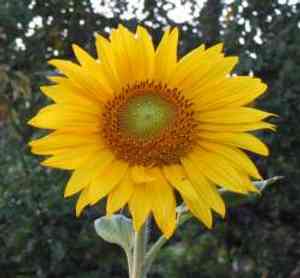
Badlands mule-ears is not only practical but also visually appealing. Its distinctive leaf structure and vibrant flowers make it an attractive addition to any landscape design. Whether used as a focal point or as part of a larger garden scheme, Badlands mule-ears enhances the visual charm of your outdoor space.
Versatile Applications
Beyond gardens, Badlands mule-ears is suitable for a variety of landscaping uses. It can be employed in xeriscaping, a landscaping method designed for water conservation, as well as in restoration projects to rehabilitate degraded lands. Its adaptability makes it a valuable plant for numerous environmental and decorative purposes.
How Can You Get Started with Planting Badlands mule-ears?
Planting Tips
To successfully cultivate Badlands mule-ears, select a sunny spot with well-drained soil. Although it adapts to poor soil, adding organic matter can help improve soil structure. Water the plant regularly until it is established, after which it will require minimal irrigation.
Ongoing Care
Once established, Badlands mule-ears demands little upkeep. Simply remove any dead or damaged leaves to encourage healthy growth. If desired, you can prune the plant to maintain its shape and size. Regularly check for any signs of pests or disease, but rest assured that Badlands mule-ears is generally robust and resilient.



