How to Prune Pincushion flower?
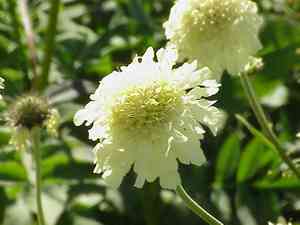
Recognized for its decorative blossoms, Scabiosa flourishes with regular trimming. The best periods for pruning are spring, summer, and autumn to stimulate strong development and plentiful flowers. Consistently remove faded blooms to encourage ongoing flowering and cut back leaves in the autumn to preserve the plant's well-being and form. Pruning not only boosts visual attractiveness but also prevents excessive density and improves air movement, which aids in lowering disease susceptibility. This focused method guarantees a sturdy and prolific floral exhibition.
What Are the Benefits of Pruning Pincushion Flower?
What Are the Benefits of Pruning Pincushion Flower?
Trimming pincushion flower is vital for maintaining its compact shape and encouraging robust development. Strategic cutting back leads to denser foliage and a more appealing form, enhancing its garden display.
What Is the Best Time for Pruning Pincushion Flower?
What Is the Best Time for Pruning Pincushion Flower?
Pruning in Spring enables pincushion flower to direct its energy towards producing fresh, healthy growth following its winter dormancy. Early Summer trimming helps shape the plant and stimulates a second bloom, improving its appearance. Fall pruning is crucial for removing faded flowers and old growth, improving air circulation and reducing disease risk, ensuring pincushion flower stays vibrant and healthy for the next season.
What Tools Do I Need to Prune Pincushion Flower?
Bypass Pruners
Bypass pruners are perfect for pincushion flower because they create clean, precise cuts, which helps prevent damage to its delicate stems. These pruners operate like scissors, with two blades passing each other for a sharp slice. This is especially important for pincushion flower to maintain plant health and encourage flowering.
Floral Snips
Pincushion flower has slender, branching stems that require careful handling. Floral snips are ideal for this task due to their accuracy and ease of use in confined spaces, making them suitable for deadheading and shaping pincushion flower without causing unnecessary harm to the plant's structure.
Pruning Shears
For thicker stems or more intensive seasonal pruning, pruning shears are effective. They can manage woodier stems that pincushion flower might develop as it matures and are sturdy enough to ensure clean cuts that promote healthy new growth.
How to Prune Pincushion Flower
Remove withered leaves
Identify and gently remove any withered or dead leaves from pincushion flower. Ensure you use a clean, sharp pair of pruning shears or scissors to make precise cuts without damaging the healthy parts.
Cleanup
Properly dispose of the removed withered leaves to prevent any potential disease from spreading back to pincushion flower or other nearby plants.
Inspect plant
After removing the withered leaves, inspect pincushion flower for any signs of pest infestation or other diseases. Early detection and treatment can help maintain the health and aesthetics of the plant.
Monitor growth
Continue to monitor pincushion flower regularly, especially after pruning, to ensure it is healthy and thriving. Observing the plant's growth can also help in determining any further need for maintenance or additional pruning.
Repeat as necessary
Repeat these pruning steps periodically when withered leaves are noticed. This practice will help promote vigorous growth and flowering in pincushion flower.
Common Pruning Mistakes with Pincushion Flower
Overpruning
A common error is removing too much of pincushion flower's foliage at once, which can stress the plant and reduce its vigor. This often results in fewer blooms and a weaker plant structure.
Cutting into old wood
It's crucial not to cut into the old wood of pincushion flower. Doing so can prevent the plant from producing new shoots, as pincushion flower typically generates new growth from current or last season's wood.
Improper tool use
Using dull or dirty tools can harm pincushion flower's delicate stems, potentially introducing disease and inhibiting healthy new growth. Always use clean, sharp pruning shears.
Common Pruning Tips for Pincushion Flower
Timing and technique
Prune pincushion flower immediately after blooming to encourage a second wave of flowers. Make cuts just above new lateral shoots or leaf nodes, which will stimulate new growth.
Deadheading
Regularly remove spent flowers (deadheading) to promote continuous blooming throughout the growing season. This keeps pincushion flower looking tidy and focuses the plant's energy on flower production rather than seed development.
Thinning
Thin out crowded stems to increase air circulation, which helps prevent fungal diseases. This also allows light to penetrate deeper into the plant, promoting overall health and more robust flowering.



