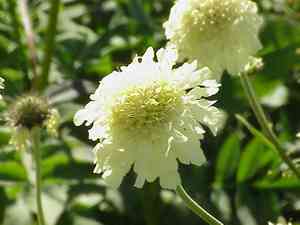
Pincushion flower (Scabiosa atropurpurea)
Also known as: Sweet scabious
The pincushion flower, also known as Scabiosa, is cultivated in gardens for its attractive flower clusters. The name comes from its distinctive, round flower heads that look like pincushions adorned with pins.
In This Article
Attributes of Pincushion flower
Lifespan
Annual
Plant Type
Herb
Plant Height
30-90 cm
Spread
Not typically measured for width; about 30-60 cm spread
Leaf Color
Green
Flower Size
2-5 cm
Flower Color
Deep maroon, pink, purple, white
Images of Pincushion flower
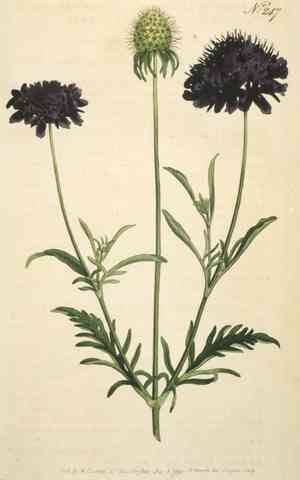
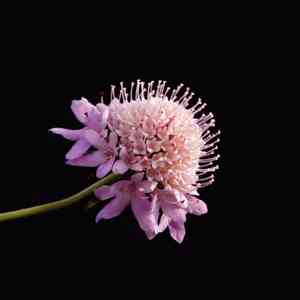
Quickly Identify Pincushion flower
1
Distinct bushy growth habit up to 3 feet (90 cm) tall.
2
Dome-shaped, dark purple flower heads atop slender stems.
3
Basal leaves oblong-spatulate to lyrate, stem leaves pinnatifid.
4
Long, wiry stems with green to reddish-brown coloration.
5
Flower petals range from deep purple to crimson, on 2-foot (60 cm) stems.
Scientific Classification of Pincushion flower
Phylum
Vascular plants
Class
Dicotyledons
Order
Dipsacales
Family
Honeysuckle
Genus
Pincushions
Species
Pincushion flower
Planting and Growing of Pincushion flower
Care Difficulty
Easy
Watering Schedule
Every 3 days
Sunlight Requirements
Full sun
Sunshine Duration
6-10 hours
Ideal Temperature
55-75℉
Soil Type
Potting Mix, Peat Mix
Soil pH
6.5-7.5
Fertilizer Type
Balanced
Pruning Season
Spring, Summer
Pruning Area
Branches, Leaves
Pruning Frequency
2 times a year
Repotting Season
Spring
Pot Type
Plastic, Ceramic
 How to Water Pincushion flower?
When watering Scabiosa atropurpurea, it is ideal to provide around 250 ml of water per session. Ensure the soil is evenly moist without being waterlogged. The goal is to reach a level of moisture that complements its natural Mediterranean habitat, where the soil dries out between watering.
What are the symptoms of an underwatered Pincushion flower?
›
What should I do if my Pincushion flower is not getting enough water?
›
What are the symptoms of an overwatered Pincushion flower?
›
How to save an overwatered Pincushion flower?
›
 What Are the Sunlight Requirements for Pincushion flower?
Scabiosa atropurpurea performs best with full sun to partial sun exposure. Proper light helps maximize floral development, resulting in a more abundant and vibrant show of blooms.
What is the best lighting environment for Scabiosa atropurpurea?
›
How can I ensure my Scabiosa atropurpurea receives ideal lighting?
›
What are the benefits of optimal lighting for Scabiosa atropurpurea?
›
 What Is the Ideal Temperature Range for Pincushion flower?
The ideal temperature range for Scabiosa atropurpurea is between 55°F and 75°F. During this range, the plant can perform photosynthesis efficiently, thereby promoting healthy growth and vibrant blooms. It maintains a healthy metabolism and is less likely to be affected by fungal diseases or pest infestations.
 What Soil is Best for Pincushion flower?
Scabiosa atropurpurea thrives in well-drained soil that prevents water from pooling around its roots. Well-drained soil helps in avoiding root rot, promoting healthy root growth and vigorous blooming. The plant favors soil that is rich in essential nutrients, providing it with the necessary elements for robust growth and abundant flowering. A nutrient-rich substrate supports continuous bloom cycles and vibrant foliage. Scabiosa atropurpurea prefers soil that retains some moisture but is never waterlogged. Maintaining moderate moisture ensures the plant has access to sufficient water for uptake while preventing excessive wetness that could harm roots.
 How to Fertilize Pincushion flower?
For Scabiosa atropurpurea, the ideal fertilizer amount should be balanced. Use a balanced liquid fertilizer diluted to half strength during the growing season. When using slow-release granular fertilizer, apply around 2 tablespoons per square foot annually. Always ensure not to exceed this dosage to prevent root burn.
 How to Prune Pincushion flower?
After the flowering period, trim back the spent blooms. This encourages a secondary bloom while keeping the plant tidy and preventing it from self-sowing excessively. Regularly prune to maintain the desired shape and size of your Scabiosa atropurpurea. Cut back any overgrown branches to keep the plant manageable and to support the plant's structural integrity. In colder climates, cut back the plant to ground level in late autumn. This step protects the plant during the winter months and fosters vigorous growth come spring.
More About Pruning Techniques→
 How to Propagate Pincushion flower plant?
1
Soak Scabiosa atropurpurea seeds overnight in water to soften the seed coat. This enhances the speed and rate of germination by making it easier for the seed to absorb water.
2
Select healthy stems and use pruning shears to cut 3-4 inch long sections. Remove the lower leaves to prevent decay when placed in soil, and dip in rooting hormone to enhance root development.
3
Carefully dig up the plant and gently separate the root clumps. Ensure each section has healthy roots and stems, and replant immediately to avoid drying out the roots.
 How to Repot Pincushion flower plant?
1
Scabiosa atropurpurea requires repotting once you notice its roots peeking out of the drainage holes or the soil isn't retaining moisture as it should. Typically, this happens once a year, ideally in spring or summer to give the plant ample growing time in its new container.
2
Select a pot that's only slightly larger than the current one. This ensures the plant doesn't have too much extra space, which can lead to water retention and root rot. Additionally, a pot with adequate drainage holes is essential to prevent waterlogging.
3
For Scabiosa atropurpurea, opt for a well-draining, loamy mix, enriched with organic matter. This type of soil provides the necessary nutrients and prevents water from pooling, minimizing the risk of root rot, thus promoting healthy growth.
Learn More About Pincushion flower Diseases
Anthracnose
Bacterial Leaf Spot
Bacterial Soft Rot
Bacterial Wilt
Crown Gall
Cyst Nematode
Damping-off
Downy Mildew
Drought Stress
Fusarium Wilt
Gray Mold
Leaf Curl
Leaf Spot
Mosaic
Nutrient Deficiency
Nutrient Toxicity
Powdery Mildew
Root Rot
Root-knot Nematode
Rusts
Sooty Mold
Spider Mites
Temperature Stress
Thrips Damage
White Mold
Chemical Injury



