The Pincushion flower Plant Advantage: Maximizing Home and Office Appeal and Wellness
1
Ideal for attracting pollinators like bees and butterflies to your garden.
2
Extended flowering period, providing prolonged vibrant hues to your landscape.
3
Adapts well to diverse soil types, offering flexibility for planting.
Why Is Scabiosa Excellent for Pollinator Gardens?
Attracts Bees and Butterflies
A key advantage of Scabiosa is its capacity to draw in pollinators like bees and butterflies. Its nectar-rich blossoms supply vital nutrients for these insects, making it crucial for boosting garden biodiversity. Furthermore, a healthy pollinator population can enhance the vitality and yield of other garden plants, fostering a more dynamic and productive ecosystem.
Supports Ecosystem Balance
Scabiosa plays a significant role in sustaining ecosystem equilibrium by offering a food source for pollinators. This not only supports the life cycle of these insects but also promotes a healthy, balanced environment. The presence of pollinators can also lead to improved pollination of other plants, enriching your garden's overall health and productivity.
How Does Scabiosa Extend Garden Color?
Long Blooming Season
Another prominent characteristic of Scabiosa is its extended flowering period. This plant typically blooms from late spring through early autumn, providing continuous blossoms that keep your garden vibrant for a prolonged duration. This extended bloom time makes Scabiosa a valuable plant for gardeners aiming to maintain a colorful and lively garden across multiple seasons.
Diverse Color Palette
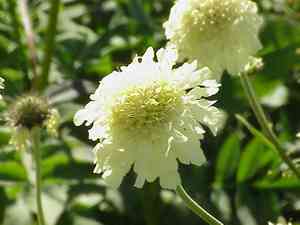
Scabiosa is available in various hues, including shades of pink, purple, blue, and white. This variety enables gardeners to select colors that complement their existing garden scheme or create striking color contrasts. The broad spectrum of colors adds an extra layer of visual interest, making your garden more appealing to both you and visitors.
What Makes Scabiosa Adaptable to Various Soil Conditions?
Adaptability to Soil Types
Scabiosa is renowned for its flexibility with different soil conditions, making it a versatile option for gardeners. Whether your soil is sandy, loamy, or clay-based, Scabiosa can flourish and enhance your garden's beauty. This adaptability reduces the need for extensive soil amendments, saving you time and effort in garden upkeep.
Drought Tolerance
Beyond its soil adaptability, Scabiosa is also drought-tolerant, making it an excellent choice for gardens in arid regions or those with water restrictions. Once established, Scabiosa requires minimal watering, which not only conserves water but also lessens the gardener's workload. Its ability to endure dry conditions ensures your garden remains lush and vibrant even during periods of low rainfall.
How to Care for Scabiosa in Your Garden?
Planting and Location
To maximize Scabiosa's potential, plant it in well-drained soil and a sunny spot. While it can tolerate partial shade, full sun will encourage more abundant flowering. Ensure the planting area has good air circulation to prevent any potential fungal issues.
Pruning and Deadheading
Regular pruning and removal of spent flowers will promote continuous blooming and help maintain the plant's form. Removing faded blooms redirects the plant's energy towards producing new flowers instead of seed production. This practice not only enhances your garden's aesthetic appeal but also fosters healthier plant growth.
Can Scabiosa Be Used in Flower Arrangements?
Cut Flower Longevity
Scabiosa is an excellent choice for cut flower arrangements due to its long-lasting blooms. When cut and placed in a vase, the flowers can retain their beauty for several days to a week, making them ideal for bringing a touch of your garden indoors.
Aesthetic Appeal
The distinctive pincushion-like shape of Scabiosa's flowers adds an interesting texture to floral arrangements. Their vibrant colors and intricate forms can serve as focal points or complementary elements in bouquets, enhancing the overall visual appeal of your flower arrangements.



