How to Prune Menzies' burnet?
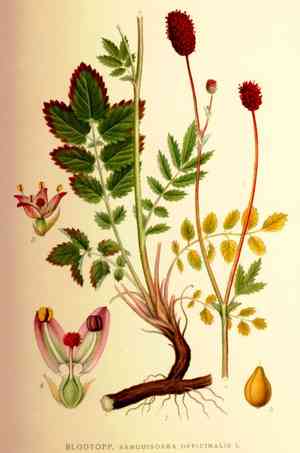
Recognizable by its toothed foliage and compact floral clusters, menzies' burnet thrives with trimming performed in early spring or late winter. Remove any lifeless or compromised stalks and reduce congested vegetation to enhance air movement and light exposure. Consistent trimming fosters more robust development and richer blossoms. Exercise care during cutting to prevent injury to emerging sprouts. To achieve optimal outcomes, consistently employ sanitized, keen implements to avert the spread of pathogens.
What Are the Benefits of Pruning Menzies' Burnet?
What Are the Benefits of Pruning Menzies' Burnet?
Trimming menzies' burnet promotes robust growth and helps maintain its form. It encourages healthy development, prevents elongated stems, and fosters a denser appearance, improving overall visual appeal and plant vitality.
What Is the Best Time for Pruning Menzies' Burnet?
What Is the Best Time for Pruning Menzies' Burnet?
Pruning menzies' burnet in early spring and late winter is optimal as it aligns with the plant's dormant phase. During dormancy, the plant conserves energy and is less vulnerable to stress, ensuring faster recovery and prime growth. Furthermore, pruning before new shoots emerge minimizes disruption to flowering and growth cycles, leading to healthier, more abundant blooms. Pruning in these seasons also aids in preserving the plant's shape and managing its size.
What Tools Do I Need to Prune Menzies' Burnet?
Hand Pruners
Perfect for precise cuts on smaller stems and branches. They help maintain the plant's shape without causing harm.
Bypass Loppers
Useful for cutting thicker stems that hand pruners cannot manage. They enable clean cuts and reduce damage.
Pruning Saw
Required for any larger, older stems that have become too thick for loppers. Essential for preserving the plant's health by removing dead or diseased wood.
Horticultural Rake
Beneficial for clearing debris around the base. Keeping the area tidy helps to deter disease.
How to Prune Menzies' Burnet
Inspect
Examine menzies' burnet thoroughly for any indications of diseased or withered foliage. Carefully assess the plant's overall health to pinpoint areas needing attention.
Tools
Gather sanitized pruning implements, such as sharp shears or scissors. Ensure your tools are clean to prevent the spread of pathogens.
Diseased leaves
Carefully trim any diseased leaves. Cut at the base of the leaf stem, ensuring complete removal of the affected area to prevent further infection.
Withered leaves
Remove any withered leaves in a similar fashion. Trim them close to the main stem or where the leaf attaches, ensuring a clean cut.
Disposal
Dispose of the trimmed diseased and withered leaves away from your garden to avoid potential contamination. Consider composting healthy plant material if appropriate.
Common Pruning Mistakes with Menzies' Burnet
Over-pruning
Removing too many stems or cutting back too aggressively can weaken menzies' burnet and impede its ability to flourish.
Improper technique
Using dull or unsanitized tools can harm the plant and introduce diseases.
Pruning at the wrong time
Although the best season is excluded, pruning during active flowering periods can diminish the bloom display.
Neglecting deadheading
Failing to remove spent flowers reduces the plant's vigor and encourages disease.
Common Pruning Tips for Menzies' Burnet
Use sharp, clean tools
Always prune menzies' burnet with sharp and sanitized tools to make clean cuts and prevent disease.
Prune for shape and air circulation
Remove overcrowded stems to enhance air circulation, which helps prevent fungal issues.
Target dead or damaged stems
Regularly remove dead, diseased, or damaged stems to keep menzies' burnet healthy and vigorous.
Practice selective thinning
Instead of cutting all stems back uniformly, selectively thin out older or weaker stems to encourage new growth and maintain plant form.



