How to Prune Scallopleaf sage?
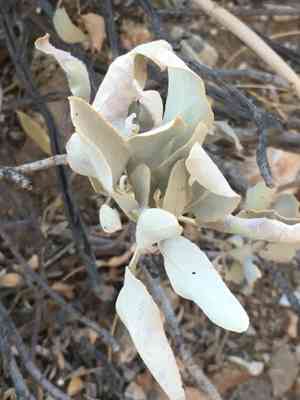
Salvia Scallopleaf is recognized by its fragrant foliage and vivid blossoms. The most effective time for trimming is in early spring or late winter to foster robust development and enhanced flowering. Eliminate any lifeless, injured, or infected stalks, and gently cut back areas that have become too dense to preserve its form. This species thrives when congested sections are thinned out to improve air circulation and light exposure. Regular trimming aids in sustaining vitality and can avert numerous plant ailments frequently impacting sage varieties.
What Are the Benefits of Pruning Scallopleaf Sage?
What Are the Benefits of Pruning Scallopleaf Sage?
Pruning scallopleaf sage is advantageous as it stimulates robust development and assists in maintaining its form. Consistent trimming fosters healthy foliage and abundant flowering. It also aids in resistance to pests and diseases, ensuring scallopleaf sage remains strong and appealing.
What Is the Best Time for Pruning Scallopleaf Sage?
What Is the Best Time for Pruning Scallopleaf Sage?
Trimming scallopleaf sage in early spring or late winter is advantageous because this period aligns with its dormant phase, minimizing stress and encouraging healthier regrowth. This timing also ensures the plant has sufficient energy reserves for producing new growth and blossoms in the upcoming season. Pruning before the active growth period allows scallopleaf sage to develop strong and healthy foliage, enhancing its overall vigor and blooming potential.
What Tools Do I Need to Prune Scallopleaf Sage?
Bypass Pruners
Perfect for clean cuts on the soft, green stems found in scallopleaf sage. Reduces plant stress and promotes rapid healing.
Anvil Pruners
Suitable for thicker, woody stems of scallopleaf sage. Provides the strong cutting force needed for tougher branches.
Pruning Shears
Useful for removing spent flowers and deadheading blooms from scallopleaf sage, encouraging new growth and extending the flowering period.
Loppers
Effective for cutting larger branches of scallopleaf sage that are hard to reach with pruners. Helps shape the plant and remove old growth.
Hand Saw
Essential for pruning very thick or dead branches in mature scallopleaf sage plants. Ensures precise cuts on larger sections.
How to Prune Scallopleaf Sage
Identification
Carefully examine scallopleaf sage to pinpoint any diseased or withered leaves. These parts can be identified by discoloration, wilting, or other signs of distress.
Disinfection
Sanitize your pruning tools using a solution of 70% isopropyl alcohol or a 10% bleach solution. This helps prevent the spread of pathogens.
Removal diseased leaves
Start by cutting off the diseased leaves. Make clean cuts close to the base of the leaf stem without harming the main stem, and dispose of these leaves immediately in a sealed bag to prevent disease spread.
Removal withered leaves
Next, remove the withered leaves. These can be gently pulled before cutting, as they often detach easily. If they don't, make a clean cut at the base of the leaf stem.
General cleanup
Conclude by tidying up the plant area, removing any fallen leaves or debris that could harbor pests or disease. Continue to monitor scallopleaf sage regularly for any signs of new disease or wilting.
Common Pruning Mistakes with Scallopleaf Sage
Incorrect cutting technique
Improper cutting methods, such as using dull tools or making rough cuts, can harm the stems and allow disease to enter.
Over-pruning
Excessive trimming can stress scallopleaf sage and reduce its capacity to produce blooms and leaves, ultimately harming the plant's overall health.
Pruning at wrong sites
Cutting too far from the node or in the wrong direction can lead to uneven growth and weak structural integrity.
Neglecting sanitation
Failing to sterilize pruning tools between cuts can spread diseases and pests, compromising the plant's health.
Common Pruning Tips for Scallopleaf Sage
Use sharp tools
Always use sharp, clean pruning shears to ensure precise cuts and avoid tearing the plant tissue.
Prune lightly and regularly
Perform light, consistent pruning to encourage continuous growth and prevent the plant from becoming leggy and overgrown.
Focus on healthy nodes
Make cuts just above a healthy node to promote new growth and ensure the plant maintains a strong structure.
Sanitize tools
Regularly sanitize your pruning tools with a solution of 10% bleach or 70% isopropyl alcohol to prevent disease transmission.
Remove dead or damaged material
Promptly remove any dead or damaged stems or foliage to maintain plant health and direct energy to new growth.



