How to Propagate Scallopleaf sage?
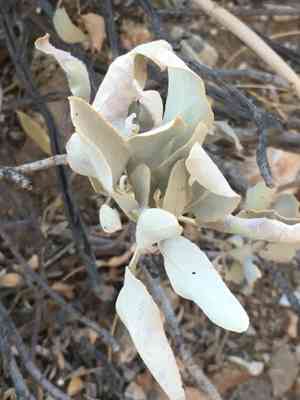
Salvia Scallopleaf flourishes in soil that drains effectively and receives abundant solar exposure. For propagation, utilize new seeds and plant them superficially in a prepared area for germination. Ensure continuous dampness without saturating the soil. After the young plants appear, reduce their number to avoid excessive density and foster vigorous development. Relocate the young plants to their permanent spot once they have gained sufficient strength. A dry, sheltered setting is crucial for successful propagation.
When Is the Optimal Time to Propagate Scallopleaf Sage?
Propagation Method
Seeding
Propagation Period
Spring
What Equipment Is Utilized in Scallopleaf Sage Propagation?
Seed Tray
A seed tray offers a controlled setting for planting scallopleaf sage seeds. Its shallow depth and drainage holes ensure appropriate moisture levels, vital for seed germination and robust root system development.
Propagation Mix
A specialized propagation blend provides the correct balance of nutrients, aeration, and drainage, crucial for the germination and initial growth phases of scallopleaf sage. This prevents seedling ailments and encourages vigorous development.
Mister/Spray Bottle
Maintaining consistent moisture without over-saturating is key for scallopleaf sage. A mister or spray bottle allows for even misting of the seed tray surface, ensuring seeds stay damp but not excessively wet.
Heat Mat
For germinating scallopleaf sage seeds, maintaining an ideal temperature can significantly boost germination rates. A heat mat placed beneath the seed tray helps provide a steady warm environment that mimics natural germination conditions.
Plastic Dome/Cover
A plastic dome or cover aids in retaining humidity and warmth, creating a mini-greenhouse effect beneficial for scallopleaf sage seeds. This regulated microenvironment accelerates germination and protects young seedlings from drying out too quickly.
Labels
Labeling each seed tray is important for tracking progress and identifying the plant species scallopleaf sage. Using waterproof labels ensures information like sowing date and seed variety remains readable throughout the propagation process.
Measuring Spoon/Seeds Dispenser
Accurately sowing scallopleaf sage seeds at the correct depth and spacing is crucial for uniform growth. A measuring spoon or seeds dispenser assists in precise sowing, minimizing waste and ensuring even distribution.
Tweezers/Forceps
Smaller scallopleaf sage seeds can be challenging to handle. Tweezers or forceps allow for precise seed placement, especially useful when transplanting or sowing in individual cells to prevent overcrowding.
How to Propagate Scallopleaf Sage?
Propagation Difficulty
Easy
How to Nurture Your Newly Propagated Scallopleaf Sage?
How to Nurture Your Newly Propagated Scallopleaf Sage?
After successful germination and transplanting, ensure scallopleaf sage plants receive ample sunlight and are planted in well-draining soil. Water moderately, allowing the soil to dry slightly between waterings. Periodically check for pests and manage as needed. Prune regularly to encourage bushier growth and remove any damaged or diseased foliage. With proper care, scallopleaf sage will flourish and enhance your garden beautifully.
Common Errors to Avoid When Propagating Scallopleaf Sage
Incorrect Soil Composition
Using soil that is too compact or retains too much water can lead to root rot and impede root development.
Excessive Watering
Overwatering can suffocate roots, encourage fungal diseases, and hinder growth.
Insufficient Illumination
Not providing enough sunlight can result in weak, leggy plants that are more susceptible to disease.
Lack of Airflow
Poor air circulation can promote mold and fungal growth on the cuttings.
Improper Cutting Technique
Taking cuttings from unhealthy plants or making incorrect cuts can reduce the chances of successful rooting.
Advice For Propagating Scallopleaf Sage
Utilize Well-Draining Soil
Select sandy or loamy soil that prevents water from accumulating around the roots.
Moderate Irrigation
Water the cuttings just enough to keep the soil moist but not waterlogged, allowing the soil to dry out slightly between waterings.
Provide Ample Light
Ensure the cuttings receive plenty of filtered sunlight to promote healthy growth and avoid etiolation.
Ensure Good Air Circulation
Place cuttings in a location with good air movement to reduce the risk of mold and fungal infections.
Take Healthy Cuttings
Use sharp, clean tools to take cuttings from healthy parent plants, and remove any lower leaves to prevent rot.



