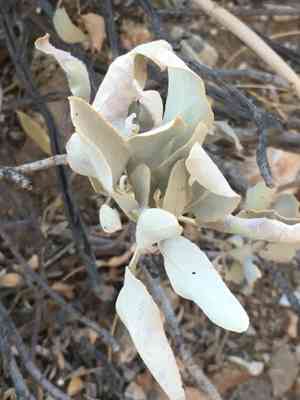
Scallopleaf sage (Salvia vaseyi)
Also known as: Vasey's Sage
The Red Columbine (Aquilegia canadensis) features delicate, lobed leaves and graceful, arching stems. Blooming from late spring to early summer, this perennial captivates hummingbirds with its striking red, tubular flowers. Preferring well-drained soils, the Red Columbine flourishes in the dappled light of woodland habitats, showcasing its adaptability to cooler, shaded environments.
In This Article
Attributes of Scallopleaf sage
Lifespan
Perennial
Plant Type
Herb
Plant Height
60 cm
Spread
40 cm
Leaf Color
Green
Flower Size
1.5 to 2 cm
Flower Color
Blue to purple
Images of Scallopleaf sage
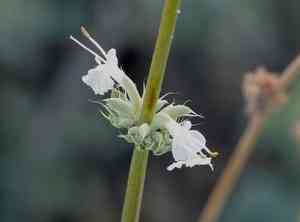
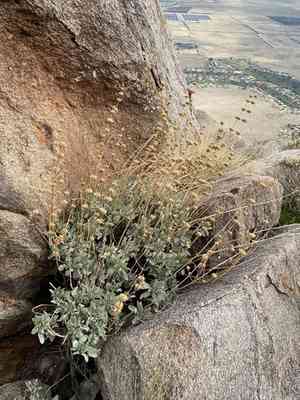
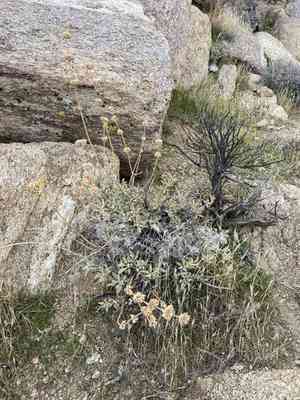
Quickly Identify Scallopleaf sage
1
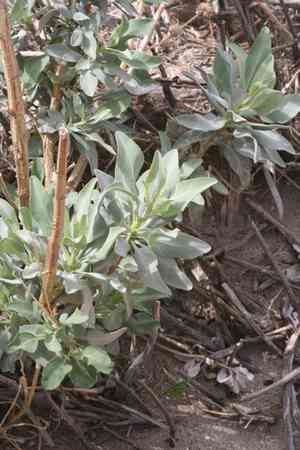
To identify Salvia vaseyi, look for its woody stems and aromatic, lance-shaped leaves. Its flowers are tubular and typically range in color from blue to purple, grouped in loose whorls. The plant often grows in chaparral and coastal sage scrub habitats.
Scientific Classification of Scallopleaf sage
Phylum
Vascular plants
Class
Dicotyledons
Order
Lamiales
Family
Mint
Genus
Sages
Species
Scallopleaf sage
Planting and Growing of Scallopleaf sage
Care Difficulty
Moderate
Watering Schedule
Every 2 days
Sunlight Requirements
Full sun
Sunshine Duration
4-8 hours
Ideal Temperature
60-75℉
Soil Type
Potting Mix, Peat Mix
Soil pH
6.5-7.5
Fertilizer Type
Balanced
Pruning Season
Spring, Summer
Pruning Area
Branches, Leaves
Pruning Frequency
2 times a year
Repotting Season
Spring
Pot Type
Plastic, Ceramic
 How to Water Scallopleaf sage?
Salvia vaseyi prefers moderate watering. It is vital to soak the soil but ensure it drains well. Aim to provide around 250 ml per watering session, and wait until the top 2-3 inches of soil are dry before the next watering.
What are the symptoms of an underwatered Scallopleaf sage?
›
What should I do if my Scallopleaf sage is not getting enough water?
›
What are the symptoms of an overwatered Scallopleaf sage?
›
How to save an overwatered Scallopleaf sage?
›
 What Are the Sunlight Requirements for Scallopleaf sage?
Salvia vaseyi thrives in full sun conditions, ideally six to eight hours daily. This range supports vigorous growth, vibrant foliage, and prolific blooming, contributing to a robust and resilient plant.
How to achieve ideal lighting?
›
What are the measures to take?
›
What benefits result from ideal lighting?
›
 What Is the Ideal Temperature Range for Scallopleaf sage?
Salvia vaseyi thrives best in temperatures ranging from 60°F to 75°F. This range supports optimal metabolic processes including photosynthesis, respiration, and nutrient uptake. Within this temperature window, the plant will exhibit maximum growth rates and healthy foliage.
 What Soil is Best for Scallopleaf sage?
Salvia vaseyi thrives in well-drained soils that prevent waterlogging. Such conditions ensure the roots have access to oxygen, which is crucial for healthy growth, reducing the risk of root rot and promoting robust plant development. This plant prefers soils with moderate fertility levels. Soils that are too nutrient-rich can lead to excessive leaf growth and poor flowering, while moderate levels provide the right balance for healthy foliage and vibrant flowers. Salvia vaseyi can manage with soils low in organic matter, which mimic its natural dry, open habitats. This reduces competition with other plants and helps retain structural soil integrity.
 How to Fertilize Scallopleaf sage?
Salvia vaseyi should be fertilized carefully, as it is sensitive to over-fertilization. For liquid fertilizers, use a diluted half-strength fertilizer solution to avoid burning the roots. For slow-release fertilizers, ensure you follow package instructions closely, using around half the recommended amount for a similarly sized plant due to Salvia's efficient nutrient uptake.
 How to Prune Scallopleaf sage?
Start by removing any dead, diseased, or damaged stems. This stimulates healthier growth by allowing the plant to focus its energy on developing new shoots and leaves. Trim the plant into a pleasing shape, focusing on removing the oldest and tallest growth. Prune back to a leaf node or lateral branch to encourage fuller, bushier growth. Regularly deadhead spent flowers to prolong the blooming period. Cut back to just above a set of leaves to encourage additional flower spikes to develop.
More About Pruning Techniques→
 How to Propagate Scallopleaf sage plant?
1
Begin by filling seed trays with a seed-starting mix. Moisten the mix slightly, then sow the seeds on the surface. Lightly cover with a thin layer of soil and mist gently with water.
2
Select healthy, non-flowering stems and cut them 4-6 inches long. Remove lower leaves and dip the end in rooting hormone. Place them in a pot with moist soil and cover with a plastic bag to retain humidity.
3
Water the plant thoroughly the day before dividing. Carefully dig up the mature plant and split the clumps into smaller sections, ensuring each has roots attached. Replant them immediately at the same depth as previously.
 How to Repot Scallopleaf sage plant?
1
Salvia vaseyi needs repotting when its roots start emerging from the drainage holes or when growth seems stunted. This might mean the roots have outgrown their current pot, requiring more space and nutrients to thrive.
2
Opt for a pot that's slightly wider than the current one, with adequate drainage holes. This prevents waterlogging, a common issue that can lead to root rot, ensuring your Salvia has a healthy growing environment.
3
Use a well-draining, sandy mix for repotting. This mimics Salvia vaseyi's natural habitat and ensures excess water doesn't remain in the pot, protecting the plant from fungal infections and root decay.
Learn More About Scallopleaf sage Diseases
Anthracnose
Bacterial Leaf Spot
Bacterial Wilt
Crown Gall
Cyst Nematode
Damping-off
Downy Mildew
Drought Stress
Fusarium Wilt
Gray Mold
Leaf Curl
Leaf Spot
Mosaic
Nutrient Deficiency
Nutrient Toxicity
Powdery Mildew
Root Rot
Root-knot Nematode
Rusts
Sooty Mold
Spider Mites
Temperature Stress
Thrips Damage
White Mold



