How to Prune Nettleleaf sage?
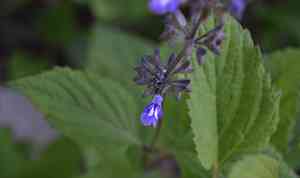
Nettleleaf sage, a perennial featuring textured leaves and spiky blossoms, flourishes with consistent care. After flowering, snip off faded flower stems to stimulate further blooms and preserve a neat look. Execute a severe pruning in early spring or late winter to foster robust new development and enhance air movement. Trimming nettleleaf sage is vital for averting excessive density and encouraging lush, thick foliage. This procedure also aids in controlling the plant's dimensions and form, which is critical for its aesthetic value.
Advantages of Trimming Nettleleaf Sage
Advantages of Trimming Nettleleaf Sage
Trimming nettleleaf sage promotes robust development and assists in maintaining its desired form. This action stimulates fresh, healthy growth while preventing the plant from becoming sparse or overgrown.
Optimal Time for Trimming Nettleleaf Sage
Optimal Time for Trimming Nettleleaf Sage
Trimming nettleleaf sage in late winter or early spring is ideal as it is typically dormant then, reducing stress and potential harm to the plant. Late winter pruning prepares nettleleaf sage for vigorous new growth in spring by removing old or dead material, allowing the plant's energy to focus on producing new shoots. Pruning in early spring, just before new growth starts, can revitalize nettleleaf sage after winter dormancy, enhance its shape, and boost flowering potential by concentrating the plant's resources into fewer, stronger stems. Additionally, this timing helps ward off diseases and pests more common in warmer months, which could otherwise exploit fresh pruning wounds. It's crucial to avoid pruning nettleleaf sage in late fall, as new growth might not harden off before frost, and to steer clear of heavy pruning in summer, which can diminish the number and size of blooms for flowering varieties.
Tools Required for Trimming Nettleleaf Sage
Bypass Pruners
These are suitable for making clean cuts on the living stems of nettleleaf sage without crushing them. They operate like scissors, perfect for delicate stems and flowers.
Pruning Shears
Especially useful for removing spent flowers and shaping nettleleaf sage, ensuring accuracy and minimal plant stress.
Gardening Gloves
Protective gloves are essential to shield hands from potential irritants or thorns while trimming nettleleaf sage.
Pruning Saw
For larger or woodier stems that may develop on mature nettleleaf sage, a pruning saw facilitates cutting through thick growth without harming the plant or the tool.
Long-Handled Loppers
When extended reach is needed or when dealing with thicker, woodier stems of nettleleaf sage that bypass pruners cannot manage, loppers offer leverage and ease of cutting.
How to Trim Nettleleaf Sage
Clean Tools
Sanitize your pruning shears with alcohol or a bleach solution to prevent disease transmission before beginning to trim nettleleaf sage.
Remove Diseased
Carefully inspect nettleleaf sage for diseased leaves, identified by discoloration or deformation, and use your shears to snip these leaves at the base, ensuring you don't harm healthy adjacent foliage.
Trim Withered
Locate withered leaves, which may appear dry, brown, or crumpled, on nettleleaf sage and gently prune them at the stem connection without pulling to avoid stress on healthy parts.
Collect Debris
After trimming, gather all removed leaves from around nettleleaf sage to prevent disease spread and deter pests.
Dispose Debris
Discard the diseased and withered leaf debris safely, away from healthy plants, to ensure diseases do not persist in the garden area.
Common Trimming Errors with Nettleleaf Sage
Over-Pruning
Removing too much foliage, which can stress nettleleaf sage and lead to reduced vigor or loss of subsequent flowering.
Blunt Tools
Using dull trimming tools can cause jagged cuts that make nettleleaf sage vulnerable to diseases.
Improper Cut Placement
Cutting too close to the main stem or too far from a growth node may impede healthy new growth or damage the plant's structure.
Tearing Stems
Roughly handling or tearing the stems can create open wounds susceptible to infection.
Neglecting To Disinfect
Failing to disinfect tools before trimming can spread pathogens to nettleleaf sage, compromising its health.
General Trimming Advice for Nettleleaf Sage
Sharp Tools
Always use sharp, clean tools to make precise cuts, which will heal faster and minimize stress on nettleleaf sage.
Selective Thinning
Thinning out crowded stems will improve air circulation and reduce the risk of fungal diseases for nettleleaf sage.
Encouraging New Growth
Cut just above a leaf node to encourage nettleleaf sage to produce new, healthy shoots.
Maintain Plant Shape
Trim strategically to maintain the desired shape and size of nettleleaf sage, keeping its natural growth habit in mind.
Deadheading
Regularly remove spent flowers to stimulate nettleleaf sage to produce more blooms and extend the flowering season.
Post-Bloom Pruning
Cutting back nettleleaf sage after blooming can help revitalize the plant and encourage a flush of new growth.



