How to Prune Azure Blue Sage?
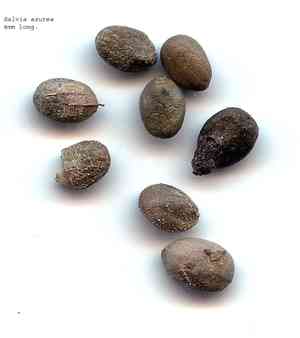
A statuesque, elegant perennial featuring vivid blue blossoms, azure Blue Sage flourishes with careful trimming. Following its bloom, reduce its size by one-third to foster a subsequent flowering and preserve its form. Perform pruning in early spring to eliminate any lifeless or compromised stalks. Consistently remove spent flowers to extend the duration of its bloom. Trimming during spring, summer, or early autumn corresponds with its periods of vigorous development. Consistent pruning improves air movement, lowers the chance of illness, and encourages fresh growth for a strong presentation.
What Are the Benefits of Pruning Azure Blue Sage?
What Are the Benefits of Pruning Azure Blue Sage?
Trimming azure Blue Sage promotes more abundant flowering and stimulates robust, healthy development. Consistent cutting helps maintain its desired shape, contributing to an attractive garden. Pruning is vital for the plant's overall health.
What Is the Best Time for Pruning Azure Blue Sage?
What Is the Best Time for Pruning Azure Blue Sage?
Pruning azure Blue Sage from late winter to early spring is ideal, just before new growth starts, allowing for a strong recovery and vigorous new development post-pruning. This timing helps remove winter-damaged stems and shapes the plant for spring. Additionally, late summer pruning is recommended after azure Blue Sage's blooming period ends, to remove faded flowers and encourage a second flush before autumn. Avoid fall pruning, as it can stimulate new growth that may not harden off before cold weather, potentially harming the plant.
What Tools Do I Need to Prune Azure Blue Sage?
Hand Pruners
Essential for making clean cuts on azure Blue Sage's stems, hand pruners are perfect for trimming smaller stems and deadheading. Opt for bypass pruners over anvil types, as they provide a cleaner cut without crushing the stem, fostering healthier regrowth.
Pruning Shears
For shaping azure Blue Sage and managing its growth without harming the plant, use sharp pruning shears. These will help maintain the desired structure and height of azure Blue Sage.
Gloves
Protect hands from the azure Blue Sage's woody stems and potential skin irritants by wearing durable gardening gloves during pruning.
How to Prune Azure Blue Sage
Remove Diseased Leaves
Identify and remove any leaves on azure Blue Sage that show signs of disease, using clean, sharp pruning scissors. Cut the leaf stem where it joins the main plant to prevent the spread of disease.
Trim Withered Leaves
Locate withered leaves which may be dry, brown, or crumpled. Carefully trim these leaves at the base where they meet the stem or a main branch to promote healthy growth and air circulation around azure Blue Sage.
Deadhead Withered Flowers
Examine azure Blue Sage for withered flowers and deadhead by snipping off the flower stalks below the spent bloom. This encourages repeat blooming and prevents the plant from using resources to produce seeds.
Maintain Shape
Prune azure Blue Sage to maintain its natural shape and size. Make cuts just above a set of leaves or a leaf node to encourage bushier growth and more flowers.
Clean Up
After pruning azure Blue Sage, clear away all pruned material from the base of the plant to reduce the risk of rot and disease, and to maintain a tidy growing area.
Common Pruning Mistakes with Azure Blue Sage
Overpruning
Removing too much growth at once can stress azure Blue Sage, potentially leading to reduced vigor and fewer flowers. It's important not to cut back more than one-third of the plant at a time.
Cutting Into Old Wood
Azure Blue Sage blooms on new growth, so pruning into old, woody stems can reduce the plant's flowering potential. Focus on trimming softer, green stems to encourage blooming.
Improper Tool Use
Using dull or dirty pruning tools can cause damage and introduce diseases to azure Blue Sage. It's essential to use sharp, clean shears for clean cuts.
Neglecting To Deadhead
Failing to remove spent blooms from azure Blue Sage can prevent the plant from producing new flowers. Regular deadheading encourages continued blooming.
Ignoring Plant Shape
Pruning without considering the natural form of azure Blue Sage can result in an unattractive shape. Aim to maintain the plant's natural habit for aesthetic appeal.
Common Pruning Tips for Azure Blue Sage
Selective Pruning
Remove only the specific stems that are overgrown or dead, to maintain the health and shape of azure Blue Sage. This targeted approach encourages more robust growth and flowering.
Encouraging New Growth
Trimming azure Blue Sage stimulates new growth which leads to more blooms. Focus on cutting back the tips of stems to promote branching.
Timing Of Cuts
While avoiding details on the best season, it is crucial to time your pruning sessions to follow significant flowering episodes for azure Blue Sage, to prepare the plant for subsequent blooms.
Maintenance Pruning
Regular light pruning can help azure Blue Sage retain its form and vigor. Snip off any wayward stems or spent flowers throughout the season to keep the plant tidy and healthy.
Mulching After Pruning
Applying a layer of mulch around azure Blue Sage after pruning can protect the roots and conserve moisture, helping the plant recover and thrive post-trimming.



