How to Prune Netleaf willow?
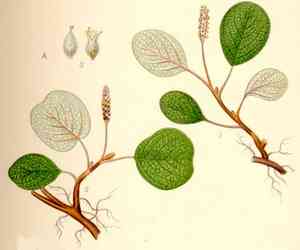
The netleaf willow, recognized by its unique reticulated foliage, benefits greatly from trimming in late winter or early spring. This timing aligns with its dormant period, which helps prevent the leakage of sap and stimulates robust development. Remove any lifeless or compromised branches to preserve its form and encourage the emergence of new stems. Consistent trimming also facilitates better light exposure and air movement, contributing to its general well-being. Always employ sanitized, keen implements for accurate incisions and to lessen the strain on netleaf willow.
What Are the Benefits of Pruning Netleaf Willow?
What Are the Benefits of Pruning Netleaf Willow?
Trimming netleaf willow fosters robust development and maintains its intended form. Regular cutting ensures sound branches and encourages a stronger framework, vital for this species' optimal growth.
What Is the Best Time for Pruning Netleaf Willow?
What Is the Best Time for Pruning Netleaf Willow?
Pruning netleaf willow in late winter or early spring coincides with the plant's dormant phase, preceding its active growth period. During these times, netleaf willow is less vulnerable to stress, and pruning wounds heal quicker, reducing the chance of infection or pest invasion. Furthermore, the plant's sap is less active, minimizing excessive bleeding from cuts. Pruning before the spring growth surge also allows gardeners to shape netleaf willow's development for the upcoming season, ensuring a healthier and more visually appealing structure. This timing also prevents the removal of buds that would result in the loss of the growing season's foliage and flowers.
What Tools Do I Need to Prune Netleaf Willow?
Bypass Pruners
Perfect for making clean cuts on the thinner stems of netleaf willow, causing minimal harm to the plant tissues.
Pruning Saws
Essential for cutting through thicker branches that bypass pruners cannot manage, ensuring a smooth cut without tearing.
Lopping Shears
Useful for reaching into denser growth and cutting slightly thicker branches with their extended handles and increased leverage.
Hedge Shears
Suitable for shaping netleaf willow when performing more extensive trimming of the plant's form.
How to Prune Netleaf Willow
Sanitize
Before starting to prune netleaf willow, disinfect all pruning tools with a 10% bleach or alcohol solution to prevent disease transmission.
Remove diseased material
Begin pruning by removing any diseased leaves and branches from netleaf willow. Cuts should be made at a healthy point just beyond the affected tissue to ensure complete removal.
Trim withered leaves
Continue the pruning process by cutting away any withered leaves from netleaf willow. Snip them at the base of the leaf stem to encourage healthy new growth.
Cut dead branches
Identify and trim dead branches from netleaf willow by making clean cuts at the point where they meet healthy growth or back to the main stem if the entire branch is dead.
Prune for shape
Conclude the pruning by shaping netleaf willow if necessary. Remove any additional branches that disrupt the desired form of the plant, taking care not to over-prune as this can stress the plant.
Common Pruning Mistakes with Netleaf Willow
Overpruning
Removing too much foliage from netleaf willow can stress the plant, leading to weak growth or even plant death.
Improper cut location
Cutting netleaf willow either too close or too far from the bud can lead to poor healing and increased risk of disease.
Using dull tools
Dull pruning tools may cause jagged cuts, which can make netleaf willow susceptible to pest infestations and diseases.
Neglecting sanitation
Netleaf willow's pruning tools should be sanitized to prevent the spread of disease between plants.
Common Pruning Tips for Netleaf Willow
Healthy growth
Focus on removing dead or damaged branches to promote netleaf willow's vitality and direct energy to healthy growth.
Flowering optimization
For those varieties of netleaf willow that flower, judicious pruning of old wood after blooming can encourage better flowering in the following seasons.
Correct angle
Make cuts at a 45-degree angle, about 1/4 inch above an outward-facing bud to facilitate water runoff and prevent disease in netleaf willow.
Tool sharpening
Keep pruning tools sharp to ensure clean cuts that heal quickly, thereby protecting netleaf willow from potential harm.



