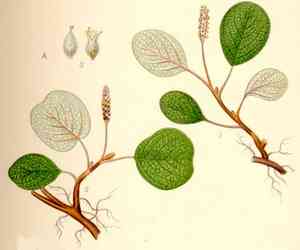
Netleaf willow (Salix reticulata)
Also known as: Netted willow, Net-veined willow
The Netleaf willow (Salix reticulata) is a diminutive, ground-hugging deciduous shrub adapted to thrive in cold, alpine, and Arctic environments. It is commonly found in the moist, rocky terrains of Europe, Asia, and North America, particularly in areas above the Arctic Circle. This species is characterized by its extremely slow growth and typically remains very close to the ground, rarely exceeding 5 cm in height.
In This Article
Attributes of Netleaf willow
Lifespan
Perennial
Plant Type
Shrub
Plant Height
8 cm
Spread
30 cm
Leaf Color
Green
Flower Size
3 mm to 8 mm
Flower Color
Yellow Green
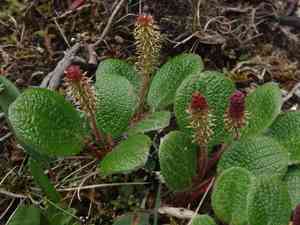
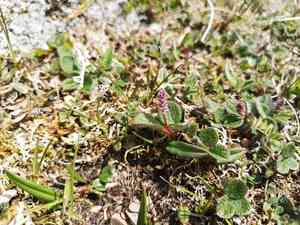
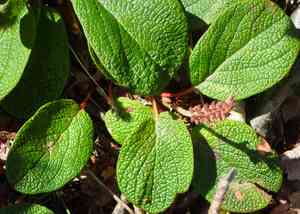
Images of Netleaf willow

Quickly Identify Netleaf willow
1
Look for small, creeping shrubs with net-veined leaves that are broadly elliptical. The leaves are typically dark green on the upper surface and pale green below. The catkins, appearing before the leaves, are another distinguishing feature.
Scientific Classification of Netleaf willow
Phylum
Vascular plants
Class
Dicotyledons
Order
Malpighiales
Family
Willow
Genus
Willows
Species
Netleaf willow
Planting and Growing of Netleaf willow
Care Difficulty
Easy
Watering Schedule
Every 2 days
Sunlight Requirements
Partial sun
Sunshine Duration
4-8 hours
Ideal Temperature
50-68℉
Soil Type
Potting Mix, Peat Mix
Soil pH
6-7.5
Fertilizer Type
Balanced
Pruning Season
Spring, Summer
Pruning Area
Branches, Leaves
Pruning Frequency
Once a year
Repotting Season
Spring
Pot Type
Plastic, Ceramic
 How to Water Netleaf willow?
When watering Salix reticulata, aim for about 300 ml each time, ensuring the soil is moist but not waterlogged. It is essential that water penetrates down to the root zone, as shallow watering only wets the surface and doesn't benefit the plant significantly.
What are the symptoms of an underwatered Netleaf willow?
›
What should I do if my Netleaf willow is not getting enough water?
›
What are the symptoms of an overwatered Netleaf willow?
›
How to save an overwatered Netleaf willow?
›
 What Are the Sunlight Requirements for Netleaf willow?
Partial to full sun exposure will ensure optimal growth, enhancing photosynthesis and allowing Salix reticulata to maintain its structural integrity and vibrant foliage.
More About Sunlight Requirements Techniques→
Optimal Light Habits
›
Solution for Environment
›
Benefits of Ideal Light
›
 What Is the Ideal Temperature Range for Netleaf willow?
Salix reticulata thrives best in temperatures ranging from 50°F to 68°F. This willow species is native to cool, temperate climates and prefers moderate temperatures for optimal growth. Ensuring the temperature stays within this range can help support healthy photosynthesis and metabolism processes, leading to robust foliage and overall plant health.
 What Soil is Best for Netleaf willow?
Salix reticulata thrives in well-drained soils that prevent water from pooling around the roots. This requirement is vital as it helps avoid root rot and other waterlogging issues, ensuring the plant remains healthy and vigorous. This plant flourishes in soils rich in organic matter, which provides essential nutrients. This helps the plant grow lush foliage and maintain its health, particularly in nutrient-poor environments where supplemental feeding may be necessary. While well-drained, the soil should also retain some moisture to prevent drought stress. This balance ensures that Salix reticulata has constant access to water, promoting consistent growth and health throughout the growing season.
 How to Fertilize Netleaf willow?
For Salix reticulata, it's essential to maintain a balanced approach to fertilizing. Use a liquid fertilizer diluted to half strength, approximately 10 ml mixed with water per watering session, for best results. Ensure to monitor the soil nutrients to prevent over-fertilization.
 How to Prune Netleaf willow?
Before starting, inspect the plant to identify dead, damaged, or diseased branches. Removing such branches will prevent the spread of diseases and improve the plant's overall health. Trim just above where the branch meets a healthy node. In shaping Salix reticulata, aim to maintain its natural form while ensuring light and air can permeate the interior branches. Cut back overly long branches to a desired length, ensuring you make clean cuts above a leaf node to encourage bushier growth. To stimulate new growth, focus on trimming back some of the older wood. This encourages the plant to push out new shoots from the base, maintaining its youthful vigor and dense appearance. Prune sparingly to avoid excessive stress on the plant.
More About Pruning Techniques→
 How to Propagate Netleaf willow plant?
1
Choose healthy, disease-free stems for cuttings that are semi-hardwood, typically during late spring. For division, select sections of the plant with plenty of roots and shoots.
2
Prepare a container with a well-draining potting mix. Ensure that it is slightly moist before inserting the cuttings or planted divisions, as moisture aids in root development.
3
Insert cuttings into the prepared mix ensuring nodes are submerged to promote rooting. For divisions, bury roots well into the mix. Water thoroughly after planting.
 How to Repot Netleaf willow plant?
1
Salix reticulata, or net-leaved willow, typically signals its need for repotting when it outgrows its current container or when the roots begin to emerge from the drainage holes. Repotting is best done in early spring or autumn to minimize stress and encourage healthy root development.
2
Opt for a pot with adequate drainage holes and slightly larger than the current one. A pot that is too large can lead to overwatering, while an undersized pot can restrict growth. Clay or plastic pots work well, but ensure they suit your climate and watering habits to promote optimal growth conditions.
3
Choose a well-draining sandy loam for Salix reticulata to prevent waterlogging. This type of soil holds enough moisture to nourish the roots while ensuring excess water drains away, preventing root rot and encouraging healthy root expansion and nutrient uptake.



