How to Propagate Netleaf willow?
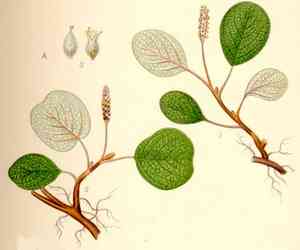
Netleaf willow flourishes when reproduced via cuttings. To ensure successful development, choose robust, healthy shoots during their period of active growth and divide them into sections. Insert these cuttings into a damp, well-draining substrate, making certain they are properly supported and protected from direct solar exposure until root formation is apparent. Consistent irrigation and minimal disruption will foster a strong root network.
Optimal Time for Netleaf Willow Propagation
Propagation Method
Cutting
Propagation Period
Autumn,Winter
Tools Required for Netleaf Willow Propagation
Pruning Shears
These are vital for gathering cuttings from netleaf willow. The shears must be sharp and clean to ensure precise cuts without harming plant tissues. Clean cuts are essential to prevent disease and promote healthier root development once cuttings are planted.
Rooting Hormone
This chemical compound stimulates root growth from the cut bases of netleaf willow's cuttings. Applying a rooting hormone to the cutting increases the likelihood of successful rooting, which is crucial for netleaf willow due to its sensitivity during propagation.
Sterile Potting Mix
A sterile potting mix, free from pathogens, offers the best environment for netleaf willow cuttings to root. The mix should be light and well-draining to support moisture balance and prevent root rot, encouraging stronger root development.
Propagation Tray
A tray provides a structured area for placing multiple netleaf willow cuttings. It helps maintain an organized propagation setup, ensuring each cutting has adequate space and access to necessary care and attention during the rooting process.
Humidity Dome
This tool helps maintain high humidity levels around netleaf willow cuttings, which is necessary to prevent moisture loss through leaves and ensure cuttings do not dry out before they can develop roots.
How to Propagate Netleaf Willow?
Propagation Difficulty
Moderately Difficult
Post-Propagation Care for Netleaf Willow
How to Care for Your Newly Propagated Netleaf Willow?
Netleaf willow requires specific care to thrive after propagation. Ensure the plant is kept in well-draining soil and in an area that receives full to partial sunlight. Regular watering is crucial, especially during dry spells, but avoid waterlogging the soil. Prune netleaf willow annually in late winter to encourage branching and manage its shape. Monitor for pests and diseases and treat accordingly to maintain plant health.
Common Propagation Errors to Avoid with Netleaf Willow
Overwatering
Excessive watering of netleaf willow can lead to root rot, as its roots are particularly vulnerable to too much moisture. This damp environment promotes fungal growth, which can be detrimental to the plant's overall health and its ability to establish new growth.
Using unsuitable soil mix
Propagating netleaf willow in a soil mix that drains poorly or does not mimic its natural gritty, well-draining environment can impede root development. Poor soil conditions can stress the plant, reducing its vigor and propagation success.
Excessive use of fertilizers
Applying too much fertilizer can harm netleaf willow. As a plant adapted to harsher, less nutrient-rich environments, netleaf willow is sensitive to high nutrient levels, which can lead to nutrient burn or disrupt its natural growth processes.
Tips For Propagating Netleaf Willow
Appropriate watering
Ensure that netleaf willow is watered correctly by allowing the soil to slightly dry out between waterings. This approach matches the natural watering conditions netleaf willow is adapted to, promoting healthier root and shoot development without the risk of rot.
Use of sandy soil mix
Using a well-draining, sandy soil mix helps mimic netleaf willow's native alpine or subalpine conditions. This promotes better root aeration and prevents water retention, which is crucial for successful propagation.
Minimal fertilizer use
Maintain low levels of fertilization when propagating netleaf willow. This adaptation to low-nutrient environments means that even moderate fertilization can boost its growth effectively without the risks of over-fertilizing.



