How to Prune Alpine willow?
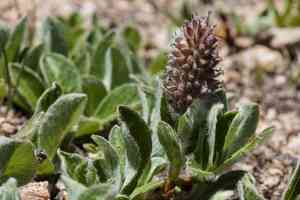
The alpine willow, a diminutive and robust shrub, is distinguished by its ability to withstand severe alpine environments. Perform pruning in early spring, prior to the emergence of new shoots, to preserve its form and foster robust growth. Eliminate any deceased or compromised branches and thin out congested sections to enhance air movement. Refrain from over-pruning, as the alpine willow inherently sustains a dense structure. Pruning stimulates more potent, energetic growth and aids in averting ailments. Always employ sanitized, keen implements to lessen trauma and the possibility of contagions.
What Are the Benefits of Pruning Alpine Willow?
What Are the Benefits of Pruning Alpine Willow?
Trimming alpine willow encourages robust development and maintains its desired form. It strengthens the plant's structural integrity, enabling it to effectively resist pests and diseases. Regular trimming also improves air circulation, which is vital for healthy foliage.
What Is the Best Time for Pruning Alpine Willow?
What Is the Best Time for Pruning Alpine Willow?
Trimming alpine willow in early spring is ideal as it coincides with the plant's dormant phase, just before new growth begins. This timing allows the plant to recover quickly as it enters the growing season, minimizes stress, and lowers the risk of disease. Additionally, pruning during this period avoids disrupting flowering, ensuring abundant blooms in subsequent seasons.
What Tools Do I Need to Prune Alpine Willow?
Bypass Pruners
Perfect for making clean, precise cuts on stems and branches up to 3/4 inch thick. They minimize damage and help prevent diseases.
Lopping Shears
Suitable for cutting thicker branches (up to 2 inches) which alpine willow might develop. Provides greater leverage and power.
Pruning Saw
Necessary for branches thicker than 2 inches. A pruning saw ensures clean cuts and reduces the risk of tearing bark.
Hand Pruning Shears
Perfect for detailed work on smaller stems and delicate branches, aiding in the fine shaping of alpine willow.
Pole Pruner
Useful for reaching higher branches without a ladder. Alpine willow can have a sprawling habit that necessitates pruning hard-to-reach areas.
How to Prune Alpine Willow
Assessment
Examine alpine willow for diseased leaves, withered leaves, dead branches, and diseased branches. Clearly mark these areas.
Sterilization
Sanitize your pruning tools with a solution of 70% isopropyl alcohol or 10% bleach to prevent the spread of pathogens.
DiseasedLeavesRemoval
Remove diseased leaves by cutting them back to the stem's base, ensuring they are discarded away from the garden to avoid spreading disease.
WitheredLeavesRemoval
Trim withered leaves by snipping them close to the branch, ensuring a clean cut to prevent further damage.
BranchesRemoval
Cut dead and diseased branches back to healthy wood, making an angled cut just above a healthy bud or branch junction; larger branches may require a saw.
Common Pruning Mistakes with Alpine Willow
Over-pruning
Removing too much of the plant at once can stress alpine willow and hinder its growth.
Incorrect cutting technique
Using dull or improper tools can damage stems and leave jagged cuts, increasing the risk of disease.
Pruning at the wrong nodes
Cutting in the wrong places can alter alpine willow's natural shape and potentially harm its ability to regrow.
Ignoring plant health
Pruning diseased or damaged parts without sterilizing tools between cuts can spread infections.
Not observing the plant's response
Failing to monitor how alpine willow responds to pruning can result in missed signs of stress or areas needing adjustment.
Common Pruning Tips for Alpine Willow
Use sharp, clean tools
Ensure your pruning tools are sharp and sanitized to make clean cuts and prevent disease spread.
Follow the natural shape
Prune to maintain alpine willow's natural growth pattern rather than forcing a preferred shape.
Make precise cuts
Cut just above an outward-facing bud to encourage outward growth and better air circulation.
Remove dead or damaged wood first
Start by cutting away any dead, damaged, or diseased parts to invigorate healthier growth.
Thin selectively
Remove some of the older stems and branches to reduce congestion and allow light to reach the inner parts of alpine willow.
Step back and assess
Periodically step back to observe the overall shape and health of alpine willow during the pruning process.



