How to Propagate Alpine willow?
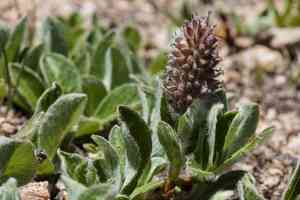
The alpine willow, a robust member of the willow genus, flourishes in high-altitude settings. Reproducing it via cuttings proves efficient. Sever stems directly beneath a joint and position them in water or damp substrate, guaranteeing proper water runoff. Sustain steady hydration without oversaturation for ideal root formation. Rooting stimulant can boost successful outcomes. Plants that have been successfully propagated will benefit from periodic irrigation and shelter from strong gusts.
Optimal Period for Alpine Willow Propagation
Propagation Method
Cutting
Propagation Period
Spring,Summer
Tools for Alpine Willow Propagation
Sharp Pruning Shears
Utilized for obtaining clean, precise cuttings from alpine willow. A neat cut minimizes harm to the parent plant and aids in the cutting's root establishment.
Rooting Hormone
Applied to cuttings to encourage quicker and stronger root formation. This is vital for alpine willow, ensuring a higher propagation success rate.
Propagation Trays
Used to hold and nurture cuttings in a controlled setting. For alpine willow, trays with good drainage help prevent waterlogging and root rot.
Humidity Dome
Maintains a high-humidity environment around the cuttings, which is crucial for alpine willow to prevent drying out and promote root development.
Sterile Blade or Knife
Essential for making clean cuts on the cuttings to prevent disease spread. Sterilization is particularly important for the health of alpine willow cuttings.
Seed Starting Mix
A light, well-draining medium that provides necessary aeration and moisture for root growth. This is especially beneficial for alpine willow to encourage robust root systems.
Spray Bottle
Allows for gentle misting to maintain required humidity levels without overwatering. This tool helps keep the alpine willow cuttingsâ environment optimal for root development.
How to Propagate Alpine Willow?
Propagation Type
Moderately Difficult
Caring for Your Newly Propagated Alpine Willow
Caring for Your Newly Propagated Alpine Willow
Once cuttings have rooted and been transplanted, ensure consistent moisture in the soil, avoiding saturation. Provide partial to full sunlight and shield young plants from harsh weather. Monitor for pests and diseases, and apply a balanced fertilizer during the growing season for healthy development. Gradually acclimate young plants to outdoor conditions if initially propagated indoors.
Common Errors to Avoid When Propagating Alpine Willow
Improper Watering
Excessive or insufficient watering can lead to root rot or drought stress, respectively. Maintaining balance is crucial for plant health.
Incorrect Soil Type
Using soil that doesn't mimic the plant's natural alpine habitat can hinder growth. Poor drainage or lack of aeration are common soil problems.
Insufficient Light
Lack of adequate light can result in weak, leggy growth. While alpine willow tolerates some shade, it thrives in bright, indirect light.
Wrong Cutting Technique
Taking cuttings improperly can harm the plant or yield non-viable cuttings. Correct techniques ensure successful rooting.
Neglecting Humidity
Ignoring the need for proper humidity levels can cause cuttings to dry out. Arctic and alpine environments often have specific humidity requirements.
Advice for Propagating Alpine Willow
Balanced Watering
Maintain consistent moisture without waterlogging. Ensure the soil is damp but not soggy to promote healthy root development.
Proper Soil
Use a well-draining soil mix that simulates the plant's natural habitat. A blend of peat, perlite, and sand can be effective.
Adequate Lighting
Provide bright, indirect light to support vigorous growth. Position cuttings in a location that receives ample light without direct exposure.
Correct Cutting Technique
Use clean, sharp tools to take 4-6 inch stem cuttings just below a node. Remove lower leaves and dip cut end in rooting hormone before planting.
Maintain Humidity
Cover cuttings with a plastic bag or place them in a propagator to maintain high humidity levels, aiding in root development and reducing desiccation.



