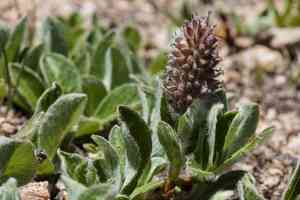
Alpine willow (Salix petrophila)
Also known as: Rocky Mountain willow
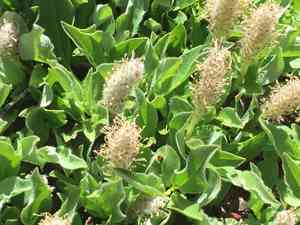
The Alpine Willow (Salix arctica) thrives in rocky alpine environments, characterized by its narrow, lance-shaped leaves and flexible branches that endure the harsh, windy conditions of high altitudes. In the spring, it adorns the landscape with its delicate yellow catkins, offering a striking visual against the rugged terrain.
In This Article
Attributes of Alpine willow
Lifespan
Perennial
Plant Type
Shrub
Plant Height
10-50 cm
Spread
Spreading shrub, up to 1 meter wide
Leaf Color
Dark green
Flower Size
Small, typically less than 1 cm across
Flower Color
Yellow to reddish
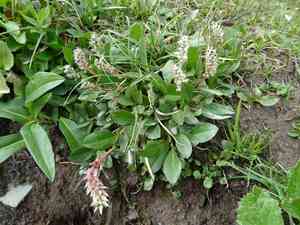
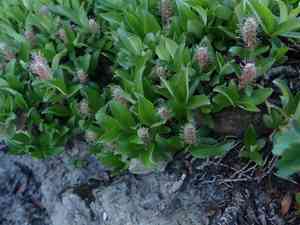
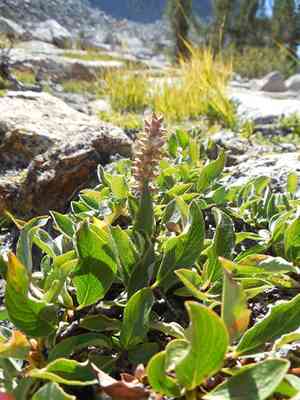
Images of Alpine willow
Quickly Identify Alpine willow
1
Salix petrophila can be identified by its small size, typically growing no more than 0.5 meters tall. Its leaves are small, oval-shaped, and have a glossy, dark green appearance. The catkins (flower clusters) are short and stout.
Scientific Classification of Alpine willow
Phylum
Vascular plants
Class
Dicotyledons
Order
Malpighiales
Family
Willow
Genus
Willows
Species
Alpine willow
Planting and Growing of Alpine willow
Care Difficulty
Moderate
Watering Schedule
Every 2 days
Sunlight Requirements
Partial sun
Sunshine Duration
4-6 hours
Ideal Temperature
60-75℉
Soil Type
Potting Mix, Peat Mix
Soil pH
6.5-7.5
Fertilizer Type
Balanced
Pruning Season
Spring, Summer
Pruning Area
Branches, Leaves
Pruning Frequency
Once a year
Repotting Season
Spring
Pot Type
Plastic, Ceramic
 How to Water Alpine willow?
When watering Salix petrophila, it's important to provide approximately 500 milliliters per session. The goal is to moisten the soil thoroughly but avoid creating water puddles. Ensure the top 2 inches of soil are completely saturated, as this promotes healthy root growth and prevents water stagnation.
What are the symptoms of an underwatered Alpine willow?
›
What should I do if my Alpine willow is not getting enough water?
›
What are the symptoms of an overwatered Alpine willow?
›
How to save an overwatered Alpine willow?
›
 What Are the Sunlight Requirements for Alpine willow?
Partial sun exposure is ideal for Salix petrophila, as it provides the right balance necessary for energy and growth. With optimal lighting conditions, the plant will thrive, producing stronger shoots and maintaining vibrant foliage.
Optimal Light Intensity
›
Ensuring Consistent Sunlight
›
Benefits of Ideal Lighting
›
 What Is the Ideal Temperature Range for Alpine willow?
Salix petrophila thrives best in moderate temperatures typical of temperate climates. A consistent temperature range of 60 to 75°F allows for optimal metabolism and photosynthesis, promoting robust growth and health.
 What Soil is Best for Alpine willow?
Salix petrophila thrives best in well-drained soils, which prevents waterlogging and ensures adequate aeration. This soil type helps in maintaining healthy root systems and promotes robust growth. The plant requires soil with moderate nutrient content to support its growth and development. Sufficient nutrients ensure vigorous growth and contribute to the plant's overall health. While the soil should be well-drained, it also needs to retain enough moisture to keep the plant hydrated. This balance prevents dehydration and maintains the plant's vitality.
 How to Fertilize Alpine willow?
Salix petrophila, commonly known as the alpine willow, does not require excessive fertilization. For liquid fertilizers, a balanced 10-10-10 formula should be diluted at half strength. Apply approximately 100 milliliters per plant base, taking care not to overdo it, as it can lead to root damage.
 How to Prune Alpine willow?
Always use sharp, clean pruning shears to ensure precise cuts and minimize damage to the plant tissues. Dull tools can tear branches, making the plant susceptible to infections. Wear protective gloves and safety goggles. These help prevent injuries from thorny branches and protect your eyes from debris during pruning.
More About Pruning Techniques→
 How to Propagate Alpine willow plant?
1
Collect seeds from mature Salix petrophila plants in late autumn. Ensure seeds are dry and store them in a cool, dry place until ready to sow.
2
In early spring, take cuttings from healthy wood. Each cutting should be about 6 inches in length with several nodes to encourage rooting.
3
Dig up the plant carefully and divide the root ball. Ensure each division has both roots and shoots, and replant promptly in suitable soil.
 How to Repot Alpine willow plant?
1
Look for signs like roots emerging from drainage holes, soil drying out quickly, or stunted growth. These signals indicate that it’s time to repot your Salix petrophila to ensure it has enough room and nutrients to thrive.
2
Select a pot that is 2-3 inches larger in diameter than the current one and has good drainage. This allows enough space for root growth and prevents waterlogging, reducing the risk of root rot.
3
Opt for a well-draining sandy mix that mimics its natural environment. This type of soil prevents water stagnation, supplies ample aeration, and supports healthy root development for Salix petrophila.



