How to Prune Satiny willow?
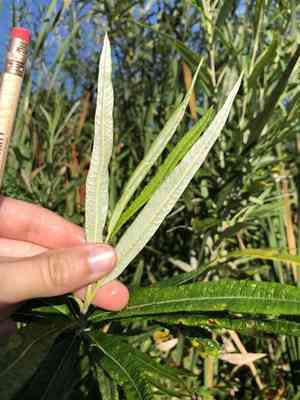
Glossy willow, recognized for its uniquely lustrous foliage, thrives with trimming from late winter through early spring. Essential methods involve excising deceased or compromised limbs, reducing density to enhance airflow, sculpting to preserve the intended form, and curtailing robust shoots to foster a fuller habit. Performing these cuts at these times helps prevent disruption to the blooming phase and encourages sound development. Consistent trimming boosts the plant's general vitality and averts excessive density, guaranteeing a strong and visually appealing specimen.
What Are the Benefits of Pruning Satiny Willow?
What Are the Benefits of Pruning Satiny Willow?
Pruning satiny willow promotes vigorous growth and maintains its form, preventing excessive growth, fostering healthy and balanced development, and enhancing its overall appearance. This practice also aids in pest and disease resistance, ensuring a strong and attractive plant.
What Is the Best Time for Pruning Satiny Willow?
What Is the Best Time for Pruning Satiny Willow?
Trimming satiny willow in late winter or early spring, prior to new growth, allows the plant the full growing season to recover and establish new development. This timing aligns with satiny willow's dormant phase, minimizing stress and reducing disease or pest risk. Furthermore, pruning during these seasons avoids disrupting satiny willow's flowering or fruiting cycles, ensuring a healthy and robust plant.
What Tools Do I Need to Prune Satiny Willow?
Hand Pruners
Perfect for smaller branches and precise cuts. Hand pruners are effective due to satiny willow's relatively slender branches.
Lopping Shears
These are suitable for cutting thicker branches (up to 2 inches in diameter). Satiny willow can develop robust branches that require more leverage to prune.
Pruning Saw
Useful for removing larger branches that cannot be cut with hand pruners or loppers. Satiny willow may occasionally develop such branches, especially in older plants.
Pole Pruner
Essential for reaching higher branches in taller specimens of satiny willow. Allows safe pruning without a ladder.
Bypass Pruners
Recommended for cleaner cuts and preventing damage to the plant. The bypass mechanism is particularly efficient for green, live wood.
How to Prune Satiny Willow
Inspection
Examine satiny willow for any dead or diseased branches. Identifying these early is crucial.
Clean
Sanitize pruning tools with alcohol or a bleach solution to prevent the spread of disease.
Remove Dead Branches
Cut away dead branches first, making clean cuts close to the main stem without damaging the bark collar.
Remove Diseased Branches
Trim diseased branches, cutting back to healthy wood and ensuring you remove all infected material.
Dispose
Dispose of all pruned material properly, burning or discarding to prevent the spread of pests and diseases.
Common Pruning Mistakes with Satiny Willow
Over-pruning
Removing too much of the plant at once can stress satiny willow and inhibit its growth and flowering. Over-pruning also makes the plant more susceptible to diseases and pests.
Using improper tools
Dull or dirty tools can damage branches, causing jagged cuts that are more prone to infection. Using the wrong type of pruner can also make it difficult to achieve clean cuts.
Wrong cut placement
Making cuts too close to the ground or too far from the branch collar can hinder proper healing and encourage disease entry.
Ignoring diseased or dead wood
Failing to remove dead or diseased branches can allow infections to spread throughout satiny willow and weaken the plant over time.
Pruning at the wrong time
Even though specific timing isnât covered here, pruning at inappropriate stages of the plant's growth cycle can cause harm and affect its blooming period.
Common Pruning Tips for Satiny Willow
Sanitize tools
Always sanitize your pruning tools before use to prevent the spread of disease. Clean them between cuts if you are dealing with diseased wood.
Make clean cuts
Ensure cuts are clean and smooth to help the plant heal quickly. Use sharp, quality pruners appropriate for the size of the branches you are cutting.
Target dead and diseased wood first
Prioritize removing any dead, diseased, or damaged wood to maintain the health of satiny willow. This also improves air circulation and light penetration.
Cut at the right angle and position
Make cuts just above a bud facing outward, and at a slight angle to allow water to run off, preventing rot.
Promote shape and structure
Focus on shaping satiny willow to maintain an open structure with good air circulation. Remove any crossing branches or those growing toward the center of the plant.