
Satiny willow (Salix pellita)
Also known as: Sallow, Prairie willow
The satiny willow (Salix pellita) is distinguished by its narrow, lance-shaped leaves that have a smooth, satiny texture, often with a silky sheen. The bark is smooth and reddish-brown, and it produces small, yellowish catkins in the spring. This shrub thrives in moist environments such as wetlands, riverbanks, and floodplains, often in cooler, northern regions. It prefers sunny locations and can adapt to various soil types, as long as they are well-drained and consistently moist.
In This Article
Attributes of Satiny willow
Lifespan
Perennial
Plant Type
Tree
Plant Height
2.5 m to 5 m
Spread
Not typically measured; shrub-like spread
Leaf Color
Green (upper side), Whitish (underside)
Flower Size
Catkins are typically 1-4 cm long
Flower Color
White Yellow Green Brown
Images of Satiny willow

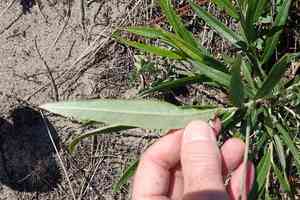
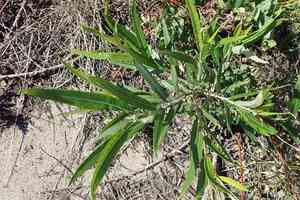

Quickly Identify Satiny willow
1
Salix pellita can be identified by its long, narrow leaves that are typically green on the upper side and whitish on the underside. The twigs are flexible, and the plant produces catkin-like flowers.
Scientific Classification of Satiny willow
Phylum
Vascular plants
Class
Dicotyledons
Order
Malpighiales
Family
Willow
Genus
Willows
Species
Satiny willow
Planting and Growing of Satiny willow
Care Difficulty
Moderate
Watering Schedule
Every 4 days
Sunlight Requirements
Partial sun
Sunshine Duration
6-10 hours
Ideal Temperature
60-75℉
Soil Type
Potting Mix, Peat Mix
Soil pH
6.5-7.5
Fertilizer Type
Balanced
Pruning Season
Spring, Summer
Pruning Area
Branches, Leaves
Pruning Frequency
2 times a year
Repotting Season
Spring
Pot Type
Plastic, Ceramic
 How to Water Satiny willow?
For Salix pellita, it's essential to aim for a consistent moisture level in the soil, avoiding water logging but ensuring that the soil never completely dries out. A single watering session should include about 500ml of water, soaking the plant's root ball thoroughly.
What are the symptoms of an underwatered Satiny willow?
›
What should I do if my Satiny willow is not getting enough water?
›
What are the symptoms of an overwatered Satiny willow?
›
How to save an overwatered Satiny willow?
›
 What Are the Sunlight Requirements for Satiny willow?
Salix pellita prefers partial to full sun exposure, promoting balanced foliage growth and preventing stress from intense heat. This setup ensures proper photosynthesis and flowering cycles are maintained efficiently.
What is the ideal lighting condition?
›
How to achieve ideal lighting?
›
Benefits of ideal lighting?
›
 What Is the Ideal Temperature Range for Satiny willow?
Salix pellita, known as the Satiny Willow, thrives best in temperatures ranging between 60 to 75 degrees Fahrenheit. This range provides the optimal conditions for its photosynthetic processes and overall growth. Consistent exposure to these temperatures ensures vigorous development and strong structural integrity. Maintaining this range helps prevent stress and promotes a healthy lifecycle for the plant.
 What Soil is Best for Satiny willow?
Salix pellita thrives in moist soil conditions, which help ensure that the plant's roots have sufficient access to water. This enhances its growth and overall health, making it less susceptible to drought stress. This plant prefers nutrient-rich soils, which support its rapid growth and vigorous development. An abundance of organic matter in the soil fosters strong root establishment and lush foliage. While Salix pellita enjoys moist conditions, well-draining soil is crucial to prevent root rot. Proper drainage keeps the roots aerated and healthy, promoting long-term viability of the plant.
 How to Fertilize Satiny willow?
Salix pellita, also known as the shining willow, requires a balanced approach to fertilization. Use 10-10-10 NPK fertilizer at a rate of one tablespoon per gallon of water for liquid fertilizers and half a cup per plant annually when using slow-release fertilizers. This helps ensure steady growth without excess nutrient build-up.
 How to Prune Satiny willow?
Begin by inspecting the overall shape of the Salix pellita and identify any damaged or crossing branches. With a clean pair of pruning shears, start by removing any dead or diseased wood back to the base. Trim crossing branches to prevent them from rubbing against each other. Next, shape the bush by cutting back overgrown branches, which encourages a more compact and fuller growth. Always prune at a slight angle to prevent water accumulation on the cut surface, which minimizes disease risk.
More About Pruning Techniques→
 How to Propagate Satiny willow plant?
1
Select healthy stems from the parent Salix pellita during the appropriate season. Cut a segment around 10-15 cm long, ensuring it has at least a few leaf nodes.
2
Remove the lower leaves and dip the cut end in rooting hormone. This boosts root initiation by providing essential growth hormones.
3
Insert the treated cuttings into a well-draining propagation mix, ensuring that at least one node is buried under the surface.
 How to Repot Satiny willow plant?
1
Watch for signs such as roots emerging from drainage holes, stunted growth, or poor water absorption. These indicate the plant has outgrown its current pot, signaling the need for repotting. Ideally, this is done during the growing season, which allows the plant to recover swiftly.
2
Select a pot that is 1-2 inches larger in diameter than the current one to accommodate new growth. Ensure it has adequate drainage holes to prevent waterlogging, which is crucial for preventing root rot and ensuring healthy plant development.
3
A well-draining sandy loam soil mix is ideal, allowing for adequate water retention while facilitating oxygen flow to the roots. This mix supports healthy growth and helps prevent issues related to overwatering.



