How to Propagate Satiny willow?
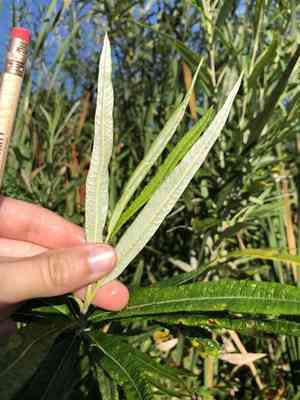
Silky willow is a deciduous species that thrives in damp environments. It can be effectively propagated using stem sections. Choose robust, straight stems for this purpose. Cut them to a length of approximately 6-8 inches, ensuring a precise incision beneath a leaf node. Detach the lower foliage and insert the cutting into a well-draining, humid rooting substrate. Maintain consistent moisture levels until roots emerge. Provide diffused light to encourage development.
Optimal Period for Satiny Willow Propagation
Propagation Method
Cutting
Propagation Season
Autumn,Winter
Tools for Satiny Willow Propagation
Pruning Shears
Pruning shears are vital for taking clean, precise cuttings from satiny willow. They facilitate smooth cuts, minimizing plant damage and stress, which promotes better rooting success.
Rooting Hormone
Rooting hormone is essential for enhancing root development in satiny willow cuttings. It encourages faster and stronger root growth, increasing the likelihood of successful propagation.
Sterilized Blade/Knife
A sterilized blade or knife is important for ensuring satiny willow cuttings are disease-free. Using a sharp, clean blade reduces infection risk and promotes healthy growth.
Propagating Tray
A propagating tray allows for organized and efficient rooting of multiple satiny willow cuttings. It helps control the growing environment, including moisture and temperature, which is crucial for successful propagation.
Misting Bottle
A misting bottle is used to keep satiny willow cuttings hydrated without over-watering. Regular misting maintains necessary humidity levels for root formation without causing water-logging.
Heating Mat
A heating mat provides consistent bottom heat, which benefits stimulating root growth in satiny willow cuttings. Proper temperature regulation is critical for accelerating the propagation process.
Clean Potting Medium
A sterile potting medium, such as perlite or a peat and sand mix, offers an ideal balance of moisture retention and aeration. This medium supports healthy root development in satiny willow cuttings.
Humidity Dome
A humidity dome helps maintain high humidity levels around satiny willow cuttings, reducing water loss through transpiration and increasing the chances of successful rooting.
How to Propagate Satiny Willow?
Propagation Type
Moderately Difficult
Caring for Your Newly Propagated Satiny Willow
Caring for Your Newly Propagated Satiny Willow
Once roots are established, gradually acclimate satiny willow to outdoor conditions by increasing sun exposure over several days. Water satiny willow regularly to maintain consistent soil moisture, avoiding waterlogging. Ensure satiny willow is planted in well-draining soil and receives partial to full sunlight. Periodically check for pests and diseases, and prune as needed to encourage healthy growth and shape.
Common Mistakes to Avoid When Propagating Satiny Willow
Incorrect Soil Mix
Using soil that is too dense or poorly draining can suffocate roots and lead to root rot.
Overwatering
Excess water can lead to fungal diseases and root rot, hindering root growth and overall plant health.
Underwatering
Insufficient moisture can cause cuttings to dry out and fail to root.
Improper Cutting Technique
Taking cuttings that are too short or damaged can reduce the chances of successful rooting.
Lack of Humidity
Failing to maintain adequate humidity levels can cause cuttings to dry out and impede root development.
Tips For Propagating Satiny Willow
Use Sharp, Sterile Tools
Ensure cutting tools are sharp and sterilized to prevent infection and disease transmission.
Choose Healthy, Vigorous Stems
Select robust stems for cuttings to improve the likelihood of successful propagation.
Provide Well-Draining Soil
Use a soil mix that is light and well-draining to avoid water-logging and promote healthy root growth.
Maintain Even Moisture
Keep the soil consistently moist but not waterlogged to support root development.
Ensure Adequate Humidity
Use a humidity dome or plastic cover to maintain high humidity levels around the cuttings.