How to Prune Missouri river willow?
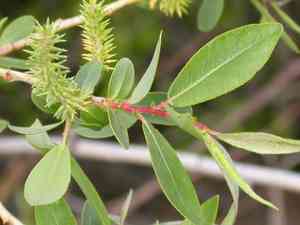
This leaf-shedding bush, frequently located beside waterways, is recognized for its swift development and expansive nature. Essential trimming methods for missouri river willow include eliminating impaired or lifeless limbs and sculpting for visual appeal or dimension management. The ideal period for pruning is late winter to early spring, prior to the emergence of fresh foliage. Pruning while the plant is dormant reduces strain and fosters robust spring development. Consistent trimming preserves plant well-being, stimulates blooming, and deters undesirable sprawling, guaranteeing a neat look.
What Are the Benefits of Pruning Missouri River Willow?
What Are the Benefits of Pruning Missouri River Willow?
Trimming missouri river willow encourages robust, healthy development and helps maintain its desired form. Strategic cuts foster a strong structure, ensuring the plant flourishes and looks well-maintained.
What Is the Best Time for Pruning Missouri River Willow?
What Is the Best Time for Pruning Missouri River Willow?
Pruning missouri river willow in late winter or early spring is optimal as it precedes the emergence of new growth. This timing allows pruning wounds to heal rapidly with the start of growth, minimizing disease risk. Furthermore, since the plant is still dormant, it reduces stress on missouri river willow. This period also offers a clear view of the plant's structure without leaves, enabling more precise cuts. Avoiding the active growing season prevents energy waste on parts to be removed and doesn't disrupt missouri river willow's natural flowering or fruiting cycles.
What Tools Do I Need to Prune Missouri River Willow?
Hand Pruners
Perfect for cutting small branches and twigs of missouri river willow due to their accuracy and ease of use.
Loppers
Offer better leverage for trimming thicker branches of missouri river willow, typically those under 2 inches in diameter.
Pruning Saw
Essential for cutting branches larger than 2 inches, providing clean cuts and minimizing damage to missouri river willow.
Hedge Shears
Useful for shaping and controlling the growth of missouri river willow when utilized for hedge purposes.
Pole Pruner
Enables safe pruning of missouri river willow's higher branches without requiring ladders.
How to Prune Missouri River Willow
Sterilize tools
Before beginning any pruning on missouri river willow, ensure all cutting implements are cleaned and disinfected to prevent disease transmission.
Identify
Examine missouri river willow for any dead, damaged, or diseased branches. These typically appear discolored, dry, and may show signs of fungal growth or insect damage.
Cut diseased
Using sharp bypass pruners, carefully remove any diseased branches from missouri river willow, cutting well below the affected area to prevent further disease spread.
Remove dead
Prune dead branches from missouri river willow by making clean cuts close to the trunk or main branch, avoiding the branch collar to promote proper healing.
Dispose
Properly dispose of all removed diseased and dead material from missouri river willow, ideally by burning or removing it from the site to prevent reinfection.
Common Pruning Mistakes with Missouri River Willow
Over pruning
Removing too much of missouri river willow's growth in one session can stress the plant, making it more vulnerable to disease and potentially hindering its development.
Under pruning
Failing to remove sufficient material can cause missouri river willow to become excessively dense, leading to poor air circulation and an increased risk of disease.
Improper cut location
Cutting too close or too far from the main stem or bud can harm missouri river willow, either by creating entry points for disease or by leaving unsightly stubs that heal poorly.
Tearing bark
When cutting larger branches, if proper care is not taken, the bark can tear, which can severely damage missouri river willow's trunk and invite disease or decay.
Using dull tools
Pruning missouri river willow with dull tools can result in jagged cuts that heal poorly, increasing the risk of disease and pest infestations.
Not cleaning tools
Neglecting to clean pruning tools before and after use can spread disease from infected plants to healthy ones, including missouri river willow.
Common Pruning Tips for Missouri River Willow
Sanitary practices
Always use clean, sharp pruning tools on missouri river willow to make clean cuts and reduce the risk of spreading disease between plants.
Thinning cuts
Employ thinning cuts to remove entire branches or limbs back to a main branch or trunk, which improves light penetration and air flow in missouri river willow's structure.
Heading cuts
Make heading cuts just above a bud facing the outside of missouri river willow, which encourages growth in a desired direction and maintains a natural appearance.
Protective cuts
Use a three-cut method for removing larger branches to prevent bark from tearing. First undercut the branch, then make a second cut farther out to remove weight, before the final cut near the trunk.
Judicious pruning
Prune missouri river willow judiciously, removing no more than one-third of the plant material at once, to avoid over-stressing the plant.
Branch collar awareness
Cut just outside the branch collarâthe swollen area of trunk tissue that forms around the base of a branchâwithout cutting into it to promote proper healing on missouri river willow.



