The Missouri river willow Plant Advantage: Maximizing Home and Office Appeal and Wellness
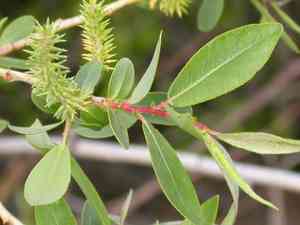
1
The Missouri river willow aids in preventing soil erosion due to its widespread root network.
2
It provides a home for diverse animal life, fostering ecological variety.
3
This willow species is effective in phytoremediation, extracting pollutants from earth and water.
Why is Missouri river willow Optimal for Soil Erosion Control?
Distinctive Root Structure
A primary advantage of Missouri river willow is its capacity to manage soil erosion. The plant possesses an extensive root network that firmly anchors the earth, rendering it highly resistant to water and wind erosion. This characteristic is especially valuable in areas prone to flooding or high winds, where ground stability is a significant concern. By strategically planting Missouri river willow, you can effectively lessen the risks linked to soil degradation.
Fostering Soil Vitality
Missouri river willow not only prevents soil erosion but also contributes to the health of the soil. Its roots aid in breaking up compacted soil layers, improving water penetration and aeration. Furthermore, the plant sheds organic matter in the form of leaves and small branches, which decompose and enrich the soil with nutrients, boosting overall soil fertility.
How Does Missouri river willow Boost Biodiversity?
Wildlife Sanctuary
A prominent feature of Missouri river willow is its role in enhancing biodiversity. The plant offers a habitat for a diverse range of wildlife, including birds, insects, and small mammals. This becomes particularly crucial in regions where natural habitats have been destroyed or significantly altered. By introducing Missouri river willow into these spaces, you encourage the revival of local wildlife populations, assisting in the preservation of ecosystem balance.
Supporting Pollinators
Pollinators such as bees and butterflies are vital for maintaining healthy ecosystems and agricultural output. Missouri river willow flowers serve as a valuable nectar source for these pollinators, contributing to their sustenance and encouraging their activity in the area. This not only supports local biodiversity but also has a positive ripple effect on nearby crops and vegetation, enhancing overall ecosystem health.
What Role Does Missouri river willow Play in Phytoremediation?
Purifying Contaminated Soil
Missouri river willow is highly effective in phytoremediation, a process where plants are utilized to remove or neutralize pollutants in the soil. Due to its robust root system and rapid growth rate, Missouri river willow can absorb heavy metals and other toxic substances, thereby cleansing the soil. This attribute is particularly useful in rehabilitating polluted sites, making the land safe for future use.
Water Purification
Beyond cleaning the soil, Missouri river willow also contributes to water purification. Its roots can absorb pollutants from runoff water, effectively filtering out harmful chemicals before they reach larger water bodies. This natural filtering process is invaluable in maintaining clean water sources, which is beneficial for both human consumption and aquatic life.
How Can Missouri river willow Be Utilized in Landscaping?
Visual Appeal
Missouri river willow is not just practical but also visually appealing, making it an excellent choice for landscaping projects. With its lush green foliage and graceful form, Missouri river willow can enhance the aesthetic appeal of gardens, parks, and urban green spaces. Additionally, its ability to thrive in various soil types and weather conditions makes it a versatile plant for different landscaping needs.
Creating Green Barriers
In urban environments, Missouri river willow can be used to establish green barriers that serve multiple purposes. These barriers can act as windbreaks, reducing wind speed and creating a microclimate that is favorable for other plant life. They also function as natural noise dampeners, making them ideal for areas near roads or industrial sites. Furthermore, green barriers can provide privacy, enhancing the use and enjoyment of outdoor spaces.
What Are the Economic Advantages of Missouri river willow?
Cost-Efficient Soil Stabilization
Implementing Missouri river willow for soil stabilization is a cost-effective approach. Compared to engineered solutions like retaining walls or synthetic erosion control fabrics, Missouri river willow requires significantly lower investment and maintenance costs. Once established, the plant continues to provide erosion control benefits with minimal human intervention, translating to long-term cost savings.
Source of Raw Materials
Missouri river willow also offers economic benefits as a source of raw materials. Its branches and twigs can be harvested for creating wicker products, bioenergy, and other useful materials. By capitalizing on these raw materials, communities and businesses can create economic opportunities while promoting sustainable practices.



