How to Prune Alpine willow?
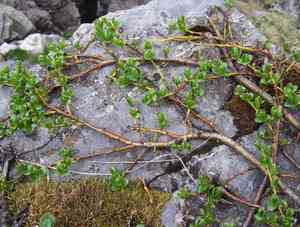
The resilient alpine willow, a robust shrub recognized for its durability and delicate leaves, thrives with consistent trimming to preserve its form and well-being. The most effective periods for pruning are from late winter to early spring, prior to the appearance of new shoots. Concentrate on excising any deceased, injured, or intersecting branches to foster vigorous development and proper air circulation. Yearly thinning can avert excessive density and encourage a sturdy framework. Pruning aids in preventing ailments and stimulates lively growth, which is crucial for sustaining the vigor of this particular species.
Advantages of Trimming Alpine Willow
Advantages of Trimming Alpine Willow
Alpine willow thrives with trimming, which encourages robust development and maintains its desired form. Regular trimming improves health by eliminating dead or diseased branches and fosters better air circulation, minimizing pest and illness issues. Trimming also ensures regulated size for garden aesthetics.
Optimal Period for Pruning Alpine Willow
Optimal Period for Pruning Alpine Willow
Trimming alpine willow in late winter or early spring is ideal as this occurs just before its active growth phase. This timing reduces plant stress and aids in promoting healthy new growth. Pruning at this time ensures quick and effective healing of cuts, lowering the risk of disease and infection. Additionally, pruning during these seasons helps shape the plant before new foliage emerges, ensuring a strong and vibrant growth cycle throughout spring and summer.
Required Tools for Pruning Alpine Willow
Bypass Pruners
Perfect for cutting live, green stems and branches. These pruners create a clean cut, which helps prevent damage and disease.
Loppers
Useful for cutting thicker branches up to 1-2 inches in diameter. Loppers provide the necessary leverage to easily trim back larger growths.
Pruning Saw
Required for cutting larger branches that are too thick for loppers. A pruning saw ensures a smooth cut without tearing the wood.
Long-handled Pruners
Recommended for reaching higher branches without using a ladder. These pruners provide extended reach and control for precise cuts.
Hedge Shears
Helpful for shaping and trimming smaller, finer growths. These shears are ideal for maintaining a tidy appearance and promoting healthy growth.
How to Prune Alpine Willow
Inspect
Carefully examine alpine willow for any indications of diseased or withered foliage. It's crucial to accurately identify affected parts to avoid unnecessary trimming.
Disinfect
Sanitize your pruning tools with a solution of one-part bleach to ten parts water. This step is vital to prevent the spread of diseases to healthy parts of alpine willow.
Remove Diseased Leaves
Using your disinfected tools, gently snip away any diseased leaves. Make clean cuts close to the base of the affected leaf to ensure no diseased tissue remains.
Remove Withered Leaves
Next, remove withered leaves by trimming them back to their point of attachment or to a healthy node. Ensure you make clean, angled cuts to facilitate quick healing.
Cleanup
Gather and properly dispose of all trimmed leaves. Do not compost diseased leaves, as this may spread pathogens. Ensure the area around alpine willow is clean to reduce the risk of reinfection.
Common Pruning Errors with Alpine Willow
Excessive Pruning
Removing too much of the plant at once can severely stress alpine willow and reduce its ability to photosynthesize, leading to stunted growth or even death.
Incorrect Cuts
Making improper cuts, such as cutting too close to the main stem or cutting at the wrong angle, can lead to damaged branches and potential infection.
Pruning at Wrong Time
Pruning at the wrong time can disrupt the growth cycle, causing reduced flowering and increased susceptibility to disease.
Ignoring Deadwood
Failing to remove deadwood can lead to a buildup of disease and pests, negatively impacting the overall health of alpine willow.
Using Dull Tools
Using dull or unclean tools can create jagged cuts that take longer to heal and provide entry points for pathogens.
General Pruning Advice for Alpine Willow
Use Sharp Tools
Always use sharp, clean pruning shears or saws to make clean cuts. This helps the plant heal faster and reduces the risk of disease.
Focus on Dead and Diseased Wood
Start by removing any dead, diseased, or damaged branches. This will help prevent the spread of disease and encourage healthy new growth.
Maintain Natural Shape
Alpine willow benefits from maintaining its natural shape. Avoid heavy pruning to retain the plantâs characteristic form and prevent stress.
Thin Out Crowded Areas
Thin out dense areas to improve air circulation and light penetration, which can reduce disease pressure and promote vigorous growth.
Prune for Size Control
If necessary, prune to control the size by selectively cutting back longer branches to a lateral branch or bud that is growing in the desired direction.



