How to Propagate Alpine willow?
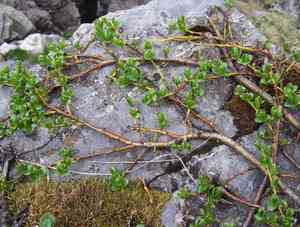
Salix alpina flourishes in porous ground and favors bright to moderately shaded spots. Direct seed planting or transplanting young plants proves successful. Ensure steady hydration without oversaturation. Employ chilling treatment to enhance seed sprouting. Applying mulch aids in preserving soil dampness. Consistent irrigation and light nutrient application encourage peak development.
Optimal Period for Alpine Willow Propagation
Propagation Method
Seeding
Propagation Period
Spring
Tools Required for Alpine Willow Propagation
Seed Trays
Seed trays offer a controlled environment for germinating alpine willow seeds. They provide good drainage and ample space for young roots to develop before transplanting.
Seedling Heat Mat
A seedling heat mat ensures a consistent and ideal temperature for germination. Alpine willow needs specific temperature conditions to break dormancy, and a heat mat helps maintain these conditions effectively.
Humidity Dome
A humidity dome helps maintain moisture and creates a microclimate favorable for seed germination. For alpine willow, maintaining proper humidity levels is crucial to prevent seeds from drying out during their initial growth phases.
Sterilized Potting Mix
Utilizing a sterilized potting mix prevents disease and offers a clean medium for alpine willow seeds to sprout and grow. It ensures seedlings receive necessary nutrients without pathogen risk.
Sowing Calendar
A sowing calendar assists in tracking planting schedules and germination times, ensuring alpine willow seeds are sown and managed appropriately according to their specific growth cycle.
Labeling Tags
Labeling tags are vital for distinguishing different batches of alpine willow seeds. This aids in monitoring germination rates and maintaining organized records of the propagation process.
Watering Can with Fine Rose
A fine rose watering can ensures gentle irrigation, which is essential for not disturbing delicate alpine willow seeds and young seedlings. It helps maintain correct moisture levels without overwatering.
How to Propagate Alpine Willow?
Propagation Type
Simple
Post-Propagation Care for Alpine Willow
How to Care for Your Newly Propagated Alpine Willow?
Following transplanting, ensure alpine willow seedlings receive sufficient light, preferably indirect sunlight to prevent scorching. Water regularly but allow the soil to slightly dry between waterings to avoid root rot. As they mature, consider relocating them to a permanent spot with suitable soil conditions, typically moist and well-draining. Periodically check for pests and diseases, and provide a balanced fertilizer to support healthy growth. Monitor soil pH to remain within the slightly acidic to neutral range, which is optimal for alpine willow.
Common Errors to Avoid During Alpine Willow Propagation
Overwatering
This can lead to root rot, which impairs the plant's ability to absorb nutrients and can cause propagation failure.
Insufficient Light
Lack of adequate sunlight can hinder growth and prevent successful rooting, resulting in weaker plants.
Wrong Soil Type
Using soil that drains poorly can retain too much moisture, encouraging fungal growth and root rot.
Improper Cutting Technique
Damaging the cutting or not using a sterilized tool can introduce diseases and decrease the likelihood of successful rooting.
Advice for Propagating Alpine Willow
Use Well-Draining Soil
This helps prevent waterlogging and root rot, ensuring the cutting remains healthy.
Ensure Adequate Light
Provide the cuttings with plenty of indirect sunlight to promote healthy growth and strong root development.
Sterilize Tools
Always use sterilized cutting tools to minimize the risk of disease transmission and ensure clean, healthy cuts.
Proper Watering
Moderate watering is key; the soil should be kept moist but not waterlogged to prevent root rot.



