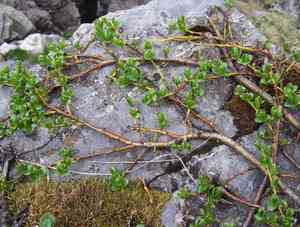
Alpine willow (Salix alpina)
Also known as: Apple-leaved willow, Large-stipuled willow
In Sweden, pine (Pinus spp.), spruce (Picea spp.), and birch (Betula spp.) are widely utilized for energy production in biomass programs. These trees thrive in Sweden's climate and forestry conditions, making them ideal for converting to bioenergy.
In This Article
Attributes of Alpine willow
Lifespan
Perennial
Plant Height
40 cm
Spread
3 m
Leaf Color
Green
Flower Size
N/A
Flower Color
Yellow
Images of Alpine willow
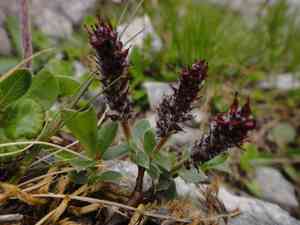
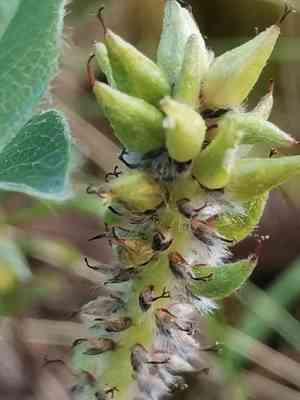
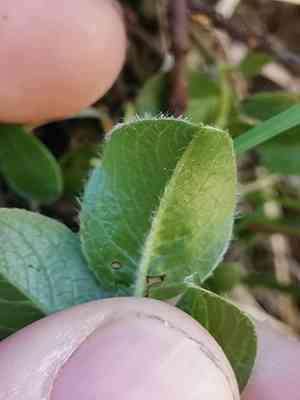
Quickly Identify Alpine willow
1
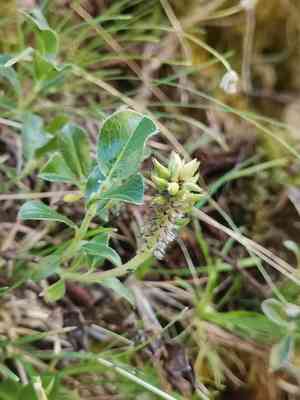
Alpine willow can be identified by its small stature, typically growing as a low shrub. The leaves are narrow and lance-shaped, with a shiny green surface and a paler underside. The catkins (flower spikes) are also a distinctive feature.
Scientific Classification of Alpine willow
Phylum
Vascular plants
Class
Dicotyledons
Order
Malpighiales
Family
Willow
Genus
Willows
Species
Alpine willow
Planting and Growing of Alpine willow
Care Difficulty
Moderate
Watering Schedule
Every 2 days
Sunlight Requirements
Partial sun
Sunshine Duration
4-8 hours
Ideal Temperature
50-68℉
Soil Type
Potting Mix, Peat Mix
Soil pH
6.5-7.5
Fertilizer Type
Balanced
Pruning Season
Spring, Summer
Pruning Area
Branches, Leaves
Pruning Frequency
Once a year
Repotting Season
Spring
Pot Type
Terracotta, Plastic
 How to Water Alpine willow?
For Salix alpina, ensure each watering session delivers about 200 ml of water, making the soil thoroughly moist without turning it soggy. The plant prefers a well-drained environment; hence, it's essential to allow the topsoil to dry slightly between waterings to prevent root rot.
What are the symptoms of an underwatered Alpine willow?
›
What should I do if my Alpine willow is not getting enough water?
›
What are the symptoms of an overwatered Alpine willow?
›
How to save an overwatered Alpine willow?
›
 What Are the Sunlight Requirements for Alpine willow?
Partial sun exposure, balancing light and shade, is essential for Salix alpina. This ideal light fosters sturdy growth and vitality, echoing its native alpine ecosystem. Moderating sun levels ensures resilience and prevents damage.
How much sunlight does Salix alpina need?
›
What are the best strategies to obtain ideal sunlight for this plant?
›
What are the benefits of providing ideal sunlight for Salix alpina?
›
 What Is the Ideal Temperature Range for Alpine willow?
The ideal temperature range for Salix alpina is between 50°F and 68°F. This ensures optimal growth and development of the plant. Within this range, the plant functions efficiently, and its physiological processes occur smoothly, leading to healthy foliage and structure.
 What Soil is Best for Alpine willow?
Salix alpina thrives in well-drained soil as it prevents root rot caused by waterlogged conditions. This requirement ensures healthy root growth and overall plant vitality. This plant prefers nutrient-rich soil to support its lush foliage and vigorous growth. Abundant organic matter like compost in the soil plays a crucial role in providing essential nutrients. While drainage is important, Salix alpina also requires soil that retains sufficient moisture to sustain it during dry spells. This balance helps in preventing dehydration and stress.
 How to Fertilize Alpine willow?
For Salix alpina, the fertilizer amount depends largely on its size and age. Generally, for a mature plant, you should apply approximately 200 grams of a balanced granular fertilizer annually. It’s important to distribute it evenly around the base of the plant. For liquid fertilizers, a weakened solution with a concentration of 1/4 the usual recommendation should suffice.
 How to Prune Alpine willow?
Start your pruning by identifying and cutting away any dead, damaged, or diseased branches. This opens up the canopy and allows for better airflow and sunlight penetration. Trim back branches that alter the natural shape of the plant, creating a balanced and aesthetically pleasing form. Focus on maintaining an open center to encourage light distribution throughout the plant. Remove overcrowded branches, especially in the inner sections of the canopy. This step reduces the risk of fungal infections that thrive in dense, moisture-rich environments.
More About Pruning Techniques→
 How to Propagate Alpine willow plant?
1
Collect seeds from the parent Salix alpina in early autumn when the seed pods are mature and starting to dry. It's essential to choose seeds that appear plump and free from any visible signs of disease or damage.
2
In early spring, use sharp pruning shears to take 6-8 inch cuttings from healthy parent plants. Remove the lower leaves and dip the cut end into rooting hormone before planting the cuttings in a well-draining growing medium.
3
In late spring, carefully dig up an established Salix alpina and separate it into smaller sections. Ensure each section has a healthy root system and replant immediately in a location that offers similar growing conditions.
 How to Repot Alpine willow plant?
1
Salix alpina should be repotted when you notice the roots are starting to outgrow the current pot. This is usually indicated by roots poking out of the drainage holes or the plant appearing top-heavy. The best time to repot is during its growing season, which typically spans from spring to summer.
2
Opt for a pot that is just one size larger than the current one, ensuring it has adequate drainage holes to prevent waterlogging. Using the right size pot helps maintain the plant's root system in check without overwhelming it with excess soil and moisture, which provides a stable growing environment.
3
Salix alpina thrives in a sandy loam soil mix that offers excellent drainage. This kind of soil prevents water from pooling around the roots which can lead to root rot. The well-draining soil ensures the roots stay healthy and receive adequate oxygen, promoting robust growth.



