How to Prune Alaska willow?
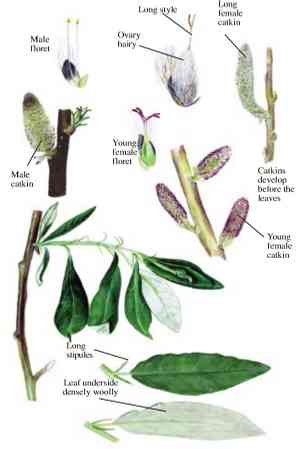
The Alaska willow, recognized for its hardy and resilient characteristics, thrives when trimmed in the latter part of winter or early spring. Trim away any impaired or frail branches to preserve its form and stimulate vigorous development. Eliminate all deceased wood and thin out congested sections to improve light exposure and air movement. This schedule minimizes strain on the plant and coincides with its period of active growth. Consistent trimming encourages a sturdy, shapely shrub, diminishing the likelihood of disease and fostering strong regrowth.
What Are the Benefits of Pruning Alaska Willow?
What Are the Benefits of Pruning Alaska Willow?
Pruning alaska willow encourages robust development and helps maintain its form. This practice improves its overall look, aids in pest and disease resistance, and manages its size, ensuring a healthy and visually appealing landscape feature.
What Is the Best Time for Pruning Alaska Willow?
What Is the Best Time for Pruning Alaska Willow?
The ideal times for pruning alaska willow are early spring and late winter. During these periods, alaska willow is dormant, which minimizes stress and allows for safer trimming. Additionally, pruning alaska willow in early spring or late winter helps eliminate any damaged or dead wood accumulated over winter, promoting healthier growth. Pruning before new growth begins also ensures alaska willow's energy is directed towards producing new shoots and leaves, rather than repairing damage.
What Tools Do I Need to Prune Alaska Willow?
Pruning shears
Crucial for snipping small branches and twigs. Bypass pruners are preferred for clean cuts.
Lopping shears
Useful for thicker branches too large for pruning shears. They offer increased leverage.
Pruning saw
Perfect for cutting branches exceeding 2 inches in diameter. Ensure it's sharp and has a comfortable grip.
Pole pruner
Helps reach higher branches without needing a ladder. Look for one with an extendable handle and a saw attachment.
Gloves
Protect hands from cuts, scrapes, and sticky sap.
How to Prune Alaska Willow
Inspection
Carefully examine alaska willow to identify and mark dead branches and diseased branches that require removal.
Sanitization
Before pruning, disinfect your tools by wiping them with a sanitizing agent to prevent disease transmission.
Removal
Cut dead branches back to healthy wood using sharp, clean pruning shears. Make angled cuts above a bud to encourage vigorous regrowth.
Diseased Remedies
Remove diseased branches by cutting at least 6 inches below the visible signs of illness. Dispose of these branches away from the garden to prevent further spread.
Final Check
Review alaska willow for any overlooked dead or diseased branches and ensure that all cuts are clean and smooth, as jagged cuts can harm the plant.
Common Pruning Mistakes with Alaska Willow
Over-pruning
A major error is removing too much foliage at once. This can stress alaska willow, reducing its vigor and making it vulnerable to diseases.
Improper cuts
Making incorrect cuts can result in ragged edges, increasing the risk of disease and pest infestation. Always use clean, sharp tools and make smooth cuts.
Timing errors
Pruning at the wrong time of year can disrupt alaska willow's growth cycle. Even though the prompt requests excluding the best season for pruning, timing mistakes are still common and crucial to note.
Ignoring plant structure
Failing to recognize and follow alaska willow's natural growth pattern can lead to an unattractive and unhealthy plant. Avoid cutting branches that contribute to the plant's natural shape.
Common Pruning Tips for Alaska Willow
Clean tools
Always use clean and sharp pruning tools to make precise cuts and prevent the spread of disease.
Target dead or diseased wood
Prioritize removing dead, diseased, or damaged branches to prevent pathogen spread and encourage healthy growth.
Even distribution
Ensure cuts are made uniformly throughout alaska willow to maintain balance and structure. This helps the plant grow evenly and access sunlight efficiently.
Maintain natural shape
Follow alaska willow's natural shape by selectively cutting back to lateral branches or buds, preserving the overall aesthetics and health of the plant.
Cut at an angle
Always make cuts at a slight angle just above a bud or branch to encourage rapid healing and optimal growth.



