How to Propagate Alaska willow?
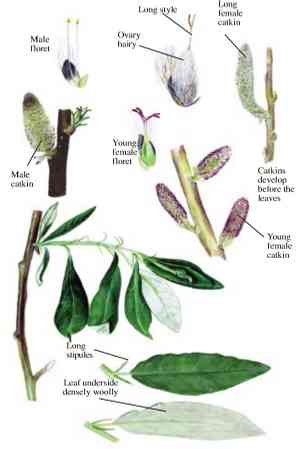
The Alaska willow, a robust and rapidly developing flora, is best multiplied via cuttings. Choose robust stems, ideally semi-lignified, for the most effective outcome. Ensure the cuttings measure 6-8 inches and sustain sufficient hydration during the root development phase. Optimal soil environments encompass good drainage and a pH range from mildly acidic to neutral. Regular irrigation is vital during the initial growth period. After rooting, the Alaska willow flourishes with little upkeep, making it a superb option for ecological landscaping and preventing soil degradation.
When Is the Optimal Time to Propagate Alaska Willow?
Propagation Method
Cutting
Propagation Period
Autumn,Winter
What Equipment Is Used for Alaska Willow Propagation?
Pruning Shears
Utilized for obtaining healthy cuttings from alaska willow. Ensure blades are sharp and clean to prevent plant tissue damage and reduce disease transmission risk.
Rooting Hormone
Assists in stimulating root development on alaska willow cuttings. Crucial for increasing propagation success by enhancing root formation.
Propagation Trays
Offer a controlled setting for rooting alaska willow cuttings. Often include dome covers to maintain humidity and consistent moisture, vital in early stages.
Sterilized Potting Mix
Provides a disease-free growth medium for alaska willow cuttings. It should drain well yet retain sufficient moisture to support root development.
Humidity Domes
Maintain elevated humidity levels around alaska willow cuttings, essential to prevent drying out and encourage root growth.
Watering Can with Fine Rose
Delivers gentle, even watering to alaska willow cuttings. A fine rose ensures water distribution without dislodging or harming delicate stems.
Label Stakes
Aid in tracking alaska willow cuttings and their propagation dates. Essential for monitoring progress and ensuring correct identification.
Heat Mat
Supplies consistent bottom warmth to encourage root growth in alaska willow cuttings, particularly important in cooler climates or off-season.
Scalpel or Sharp Knife
Used for making precise cuts on alaska willow to ensure clean and efficient trimming of cuttings, minimizing damage and infection.
How to Propagate Alaska Willow?
Propagation Difficulty
Moderately Difficult
How to Care for Your Newly Propagated Alaska Willow?
How to Care for Your Newly Propagated Alaska Willow?
Once roots are established, move them to a spot with full sun to partial shade. Alaska willow prefers slightly acidic to neutral, consistently moist soil, so regular watering is key. Mulching around the base helps retain soil moisture and control weeds. Prune for shape and to remove damaged branches, and protect from strong winds, especially early on.
Common Errors to Avoid When Propagating Alaska Willow
Improper Cutting Techniques
Using dull or unsterilized tools can result in jagged cuts and introduce diseases, hindering the plant's ability to root successfully.
Incorrect Watering Amounts
Excessive or insufficient watering of cuttings can lead to root rot or desiccation, respectively, significantly lowering successful propagation rates.
Inappropriate Soil Medium
Selecting a soil medium that drains poorly or is overly rich can impede root development or cause root diseases.
Inadequate Light Conditions
Providing too much direct sunlight or insufficient light can stress the cuttings, impeding their root and shoot development.
Tips For Propagating Alaska Willow
Use Sharp, Sterile Tools
Ensure pruning shears or knives are sharp and disinfected with alcohol to make clean cuts and reduce infection risk.
Maintain Consistent Moisture
Keep soil consistently damp but not waterlogged to provide an optimal environment for root formation without causing rot.
Select Well-Draining Soil
Utilize a well-draining soil mix, such as perlite and peat moss, to promote healthy root growth.
Provide Indirect Light
Alaska willow cuttings should be placed in a location with bright, indirect light to support photosynthesis without causing excessive stress.



