How to Prune Tropical wild petunia?
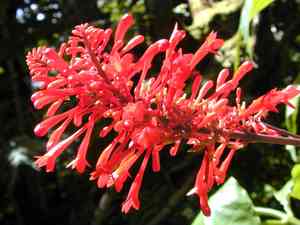
A robust evergreen perennial recognized for its trumpet-shaped blossoms and lustrous foliage, tropical wild petunia flourishes with consistent trimming to preserve its form and stimulate flowering. The ideal period for pruning is following its bloom cycle, year-round, to eliminate faded flowers and reduce congested growth. Shorten elongated stems by approximately one-third, making sure cuts are positioned directly above leaf junctions to foster fresh development. Trimming benefits tropical wild petunia by averting excessive density and improving air movement, thereby lowering the likelihood of pests and illnesses.
What Are the Benefits of Pruning Tropical Wild Petunia?
What Are the Benefits of Pruning Tropical Wild Petunia?
Trimming tropical wild petunia promotes abundant flowering, stimulates vigorous development, and maintains its desired shape. Consistent cutting encourages a tidy appearance, enhancing the plant's decorative appeal.
What Is the Best Time for Pruning Tropical Wild Petunia?
What Is the Best Time for Pruning Tropical Wild Petunia?
Pruning tropical wild petunia from late winter to early spring is beneficial as it typically occurs before the start of the growing period. These months allow for the removal of any tissue damaged by frost or dead from winter without hindering new growth. Trimming at this time prepares tropical wild petunia for robust spring growth, encourages blossoms, and prevents the plant from becoming leggy. It is crucial to avoid pruning when tropical wild petunia is forming buds or blooming to prevent inhibiting flowering, as trimming during active growth or flowering stages could compromise the plant's health and aesthetic value. Consistent light pruning throughout the year can maintain form and size, but major cuts should align with the late winter or early spring timeframe for optimal plant vitality and look.
What Tools Do I Need to Prune Tropical Wild Petunia?
Bypass Pruners
Bypass pruners are perfect for making clean cuts on the green stems of tropical wild petunia without crushing the plant tissue. This helps to encourage healthy regrowth and prevents damage to the plant.
Hand Shears
For shaping tropical wild petunia or managing its size, hand shears allow for precise cuts on more substantial branches or for cutting back multiple stems at once.
Pruning Saw
If tropical wild petunia has matured and developed thicker woody stems, a pruning saw is necessary for cutting through larger branches that bypass pruners or shears cannot handle.
Gardening Gloves
Wearing gardening gloves will protect the hands from thorns or rough stems when pruning tropical wild petunia. This ensures safe handling during the pruning process.
Pruning Shears (Anvil Type)
Anvil-type pruning shears can be used for deadheading or removing dead or dying branches from tropical wild petunia, as the anvil design is suited for cutting through tougher material.
How to Prune Tropical Wild Petunia
Disinfection
Before starting the pruning process, clean and disinfect all cutting tools to prevent the spread of pathogens to tropical wild petunia.
Removal of Diseased Parts
Identify and carefully remove any diseased leaves or branches from tropical wild petunia by making clean cuts at the base of the affected area, ensuring not to damage healthy tissue.
Removal of Dead Material
Prune away dead branches and withered leaves from tropical wild petunia by cutting them back to the point of healthy growth, which encourages proper air circulation and light penetration.
Deadheading
Perform deadheading on tropical wild petunia by removing withered flowers to promote further blooming and prevent the plant from using energy to set seeds.
Cleanup
After pruning tropical wild petunia, clean up all pruned material from around the plant to prevent potential fungal growth and dispose of it properly to reduce the chance of disease.
Common Pruning Mistakes with Tropical Wild Petunia
Over-pruning
Cutting back too much of tropical wild petunia's foliage at once can stress the plant, leading to reduced vigor and fewer blooms.
Blunt tools
Using dull or unclean pruning shears can damage tropical wild petunia's stems, potentially leading to disease and poor healing.
Improper cuts
Making cuts that are too close or too far from the node can prevent tropical wild petunia from healing properly and may hinder new growth.
Ignoring dead matter
Neglecting to remove dead or diseased foliage can inhibit tropical wild petunia's growth and make the plant more susceptible to pests and infections.
Pruning too early
Cutting back tropical wild petunia before it has finished flowering may reduce the plant's blooming potential for the next season.
Common Pruning Tips for Tropical Wild Petunia
Sharp tools
Use sharp, clean shears to make clean cuts on tropical wild petunia, which will help prevent disease and allow for quick healing.
Angled cuts
Make angled cuts above a leaf node to encourage water to run off and to promote healthy new growth on tropical wild petunia
Selective thinning
Thin out tropical wild petunia's older stems to improve air circulation and light penetration, which can help reduce disease risk and promote more blooms.
Shape maintenance
Prune tropical wild petunia to maintain its desired shape and size, which can also encourage bushier growth and more abundant flowering.
Health check
Regularly inspect tropical wild petunia for signs of disease or pest activity during pruning and address any issues immediately to maintain the plant's health.



