How to Propagate Tropical wild petunia?
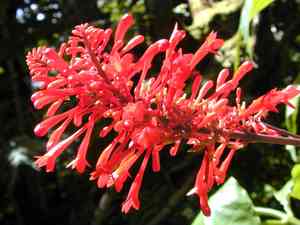
The propagation of tropical wild petunia flourishes when initiated from cuttings. To achieve successful cultivation, select vigorous stems, making certain that incisions are performed directly beneath a node. Subsequently, these cuttings ought to be established in a well-aerated, damp substrate like perlite or a blend of peat and sand. Sustain a consistent atmosphere with diffused light and steady moisture levels to foster the formation of roots. Diligent early root management contributes to the development of a sturdy plant.
Optimal Time for Propagating Tropical Wild Petunia
Propagation Method
Cutting
Propagation Period
Spring,Summer
Tools Required for Tropical Wild Petunia Propagation
Sharp Pruning Shears
Sharp pruning shears are vital for making precise cuts on tropical wild petunia stems, which is key for successful cutting propagation. A clean cut helps prevent infection and promotes quicker healing and root growth.
Rooting Hormone
Rooting hormone encourages faster root formation and boosts the success rate of cuttings by stimulating root development at the cut site. Applying a small amount to the cut end of tropical wild petunia before planting can significantly improve rooting efficiency.
Sterilized Potting Mix
Sterilized potting mix ensures the soil is free from harmful pathogens and pests, which could otherwise damage delicate tropical wild petunia cuttings. A light, well-draining mix supports new root development without retaining excess moisture that can lead to rot.
Small Pots or Trays
Small pots or trays are used for planting individual tropical wild petunia cuttings. These containers should offer good drainage and be small enough to maintain proper soil moisture, while allowing the root system space to expand.
Plastic Covers or Mini Greenhouses
Plastic covers or mini greenhouses create a humid microenvironment ideal for tropical wild petunia cuttings. The increased humidity helps prevent cuttings from drying out and can improve the overall rate and speed of root formation.
How to Propagate Tropical Wild Petunia
Propagation Type
Easy
Caring for Your Newly Propagated Tropical Wild Petunia
Caring for Your Newly Propagated Tropical Wild Petunia
After successful propagation, gradually introduce tropical wild petunia to its normal growing conditions. Plant it in well-draining soil in a location receiving full sun to partial shade. Water regularly, especially during dry periods, but ensure good drainage to prevent waterlogging. Fertilize lightly during the growing season. Regularly check for pests and diseases and treat as needed to maintain plant health.
Common Propagation Mistakes to Avoid with Tropical Wild Petunia
Overwatering
Overwatering can cause root rot in tropical wild petunia, a species that prefers well-draining soil. Excessive moisture in the soil can suffocate roots, reducing the plant's ability to absorb nutrients and making it vulnerable to diseases.
Using too dense soil
Using a dense, clay-heavy soil for tropical wild petunia hinders proper drainage, leading to waterlogged conditions detrimental to root health. Poor drainage can cause roots to decay, stunting growth and propagation.
Inadequate light during rooting
Insufficient light when propagating tropical wild petunia from cuttings can cause the plant to expend more energy seeking light, rather than focusing on root development. This mistake can delay or inhibit the rooting process.
Tips for Propagating Tropical Wild Petunia
Using well-draining soil
Choose a well-draining soil mix when propagating tropical wild petunia to ensure excess water drains easily. This prevents overly moist conditions that lead to root rot, promoting healthier root development.
Providing adequate light
Ensure sufficient light when propagating tropical wild petunia from cuttings. Adequate lighting supports photosynthesis, crucial for new growth, while fostering stronger, healthier root systems.
Moderate watering
Maintain a balanced watering schedule while tropical wild petunia cuttings establish roots. Water just enough to keep the soil slightly moist, avoiding extremes of dryness or saturation to encourage successful rooting.



