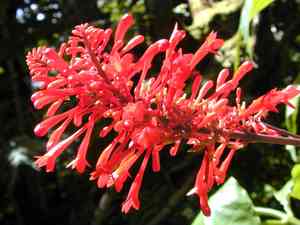
Tropical wild petunia (Ruellia brevifolia)
Also known as: Red-spray ruellia
The tropical wild petunia is an excellent choice for a houseplant because it is naturally adapted to low-light environments, similar to those found indoors, due to its growth under the canopy of tall trees in its native habitat. Its frequent blooming and attractive, delicate flowers add charm to indoor spaces.
In This Article
Attributes of Tropical wild petunia
Lifespan
Perennial, Annual
Plant Type
Herb
Plant Height
60 cm
Spread
50 cm
Leaf Color
Green Blue
Flower Size
3-5 cm
Flower Color
Red White Pink Purple Orange
Images of Tropical wild petunia
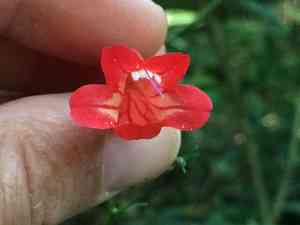
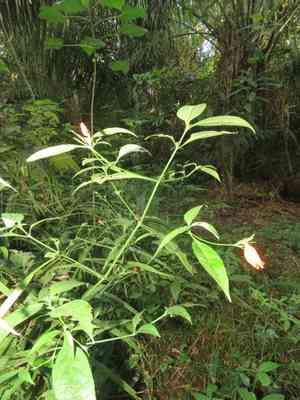
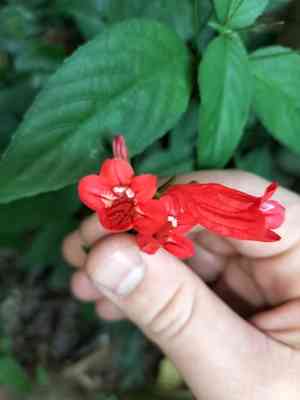
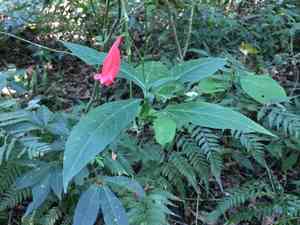
Quickly Identify Tropical wild petunia
1
Identify Ruellia brevifolia by its bright red, trumpet-shaped flowers, lanceolate leaves, and its compact growth habit.
Scientific Classification of Tropical wild petunia
Phylum
Vascular plants
Class
Dicotyledons
Order
Lamiales
Family
Acanthus
Genus
Wild petunias
Species
Tropical wild petunia
Planting and Growing of Tropical wild petunia
Care Difficulty
Easy
Watering Schedule
Every 4 days
Sunlight Requirements
Partial sun
Sunshine Duration
6-10 hours
Ideal Temperature
60-75℉
Soil Type
Potting Mix, Peat Mix
Soil pH
6.5-7.5
Fertilizer Type
Balanced
Pruning Season
Spring, Summer
Pruning Area
Branches, Leaves
Pruning Frequency
2 times a year
Repotting Season
Spring
Pot Type
Plastic, Ceramic
 How to Water Tropical wild petunia?
Ruellia brevifolia prefers consistent moisture but not waterlogged conditions. Watering should be enough to thoroughly moisten the soil without leaving standing water. Approximately 250 ml of water per session ensures the plant remains hydrated while avoiding root rot.
What are the symptoms of an underwatered Tropical wild petunia?
›
What should I do if my Tropical wild petunia is not getting enough water?
›
What are the symptoms of an overwatered Tropical wild petunia?
›
How to save an overwatered Tropical wild petunia?
›
 What Are the Sunlight Requirements for Tropical wild petunia?
Ruellia brevifolia's ideal light exposure includes partial sun where it can bathe in bright, indirect light. This balance supports healthy growth, enhances chlorophyll production, and increases flowering potential.
More About Sunlight Requirements Techniques→
What amount of light does Ruellia brevifolia prefer?
›
How can I achieve the ideal lighting for Ruellia brevifolia?
›
What benefits will Ruellia brevifolia experience under ideal lighting?
›
 What Is the Ideal Temperature Range for Tropical wild petunia?
Ruellia brevifolia thrives best within a temperature range of 60°F to 75°F. This range supports optimal photosynthetic activity and metabolic processes, ensuring robust growth and vibrant foliage. Maintaining this steady temperature range is critical for maximizing the plant's decorative and health value, as it mimics its natural tropical environment.
 What Soil is Best for Tropical wild petunia?
Ruellia brevifolia thrives in well-drained soil that prevents waterlogging, which can lead to root rot. The loose texture of such soil supports healthy root systems and vigorous growth, ensuring the plant remains lush and vibrant. This plant benefits from soil rich in organic matter, providing essential nutrients that promote robust growth and flowering. Incorporating compost or well-rotted manure can boost nutrient levels, enhancing bloom production and overall plant vitality. Although drainage is essential, the soil should also retain sufficient moisture to keep the plant hydrated. A balance of organic material helps maintain this moisture level without becoming overly dry, supporting consistent growth patterns.
 How to Fertilize Tropical wild petunia?
Ruellia brevifolia, also known as the Red Ruellia, benefits from a balanced fertilization approach. For liquid fertilizers, dilute the solution to half the recommended strength to prevent burning the roots and apply it every two weeks. For slow-release fertilizers, use a gentle application of around 2 tablespoons per plant, scattered evenly over the soil surface, and water in thoroughly.
 How to Prune Tropical wild petunia?
Inspect the plant for dead, damaged, or diseased stems and leaves. Carefully cut these parts back to healthy, green tissue to promote overall plant health and stimulate new growth. Trim stems that have grown unruly or are disrupting the desired shape of the plant. Cut back to just above a leaf node to encourage fuller growth and a more compact appearance. To encourage more prolific flowering, cut back flowering stems after blooms have faded. This encourages new growth and additional flowering cycles throughout the growing seasons.
More About Pruning Techniques→
 How to Propagate Tropical wild petunia plant?
1
Choose healthy, non-flowering stems from the Ruellia brevifolia plant. Cuttings should be about 4 to 6 inches long. Avoid stems with visible damage or signs of disease for the best results.
2
Use a well-draining potting mix, combining equal parts of perlite, peat moss, and coarse sand. This mixture ensures adequate drainage and aeration, crucial for the successful rooting of Ruellia brevifolia cuttings.
3
Dip the cut base of each cutting into rooting hormone before planting them in the prepared potting mix. Plant cuttings about 2 inches deep, maintaining at least an inch of space between them. Firm the soil gently to hold the cuttings in place.
 How to Repot Tropical wild petunia plant?
1
Watch for signs such as roots emerging from drainage holes, or if the plant's growth seems stunted. These are clear indications that Ruellia brevifolia might need a new home. Spring and summer are the ideal times for repotting, as these seasons coincide with the plant’s growth period, allowing it to recover more swiftly and robustly.
2
Opt for a pot that is one size larger than the current one, ensuring it has sufficient drainage holes. A slightly larger pot prevents overcrowding of roots, allowing them space to grow and access nutrients efficiently. Proper drainage is crucial to prevent root rot, a common issue with this plant species.
3
Choose a well-draining potting mix that retains enough moisture without becoming waterlogged. A blend of peat, perlite, and a bit of sand can create an ideal environment. Good soil allows roots to breathe and absorb nutrients effectively, promoting healthy foliage and vibrant flowering.
Learn More About Tropical wild petunia Diseases
Anthracnose
Bacterial Leaf Spot
Bacterial Wilt
Chemical Injury
Crown Gall
Damping-off
Downy Mildew
Drought Stress
Fusarium Wilt
Gray Mold
Leaf Curl
Leaf Spot
Mosaic
Nutrient Deficiency
Nutrient Toxicity
Powdery Mildew
Root Rot
Root-knot Nematode
Rusts
Sooty Mold
Spider Mites
Temperature Stress
Thrips Damage
White Mold



