How to Prune Salmonberry?
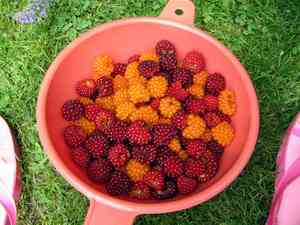
A perennial bush valued for its vivid flowers and palatable berries, salmonberry flourishes with winter pruning. Eliminate deceased or ailing branches, reduce crowded sections for improved light access, and sculpt for preferred form. This enhances fruit yield and overall plant vigor. Refrain from severe trimming to safeguard the subsequent year's flowers, given that salmonberry flowers develop on mature wood. Pruning additionally manages its spreading habits in certain locales.
What Are the Benefits of Pruning Salmonberry?
What Are the Benefits of Pruning Salmonberry?
Trimming salmonberry promotes a more abundant yield by encouraging vigorous development. Cutting back can also help maintain an attractive form and prevent excessive growth.
What Is the Best Time for Pruning Salmonberry?
What Is the Best Time for Pruning Salmonberry?
Pruning salmonberry during late winter is considered ideal because the plant is dormant then, which minimizes stress and the chance of disease. Late winter pruning prepares salmonberry for strong spring growth, as removing old or dead canes at this time stimulates new growth that will produce flowers and fruits in the upcoming season. Additionally, the plant's sap is not actively flowing, aiding in quicker wound healing. This timing also allows gardeners to clearly view the plant's structure without leaves, simplifying decisions on which canes to remove.
What Tools Do I Need to Prune Salmonberry?
Hand Pruners
For precise cuts on salmonberry's stems and for shaping the plant. Hand pruners are essential for cutting through stems less than 1/2 inch thick.
Loppers
To cut through thicker salmonberry stems, typically up to 1.5 inches in diameter, offering greater leverage and reach for denser growth.
Pruning Saw
For salmonberry's oldest and thickest stems, or for removing stems too large for loppers, a pruning saw ensures clean cuts without harming the plant.
Protective Gloves
To shield hands from salmonberry's thorns during trimming.
Pruning Sealer
To cover large wounds on salmonberry after cutting, reducing the risk of disease and pest infestations.
How to Prune Salmonberry
Step1: Timing Pruning Season
Select the appropriate time to prune salmonberry, ideally from late winter to early spring before new growth commences.
Step2: Identifying Old Canes
Examine salmonberry for any old canes, which are those that have already produced fruit. Old canes are typically thicker, have rougher bark, and may appear less vibrant.
Step3: Tool Sterilization
Sanitize your pruning tools with a solution of one part bleach to nine parts water to prevent the spread of pathogens.
Step4: Cutting Old Canes
Cut old canes at their base where they emerge from the soil using sharp, clean bypass pruners. Make cuts clean and close to the ground, avoiding stubs.
Step5: Spotting Diseased Canes
Identify diseased canes on salmonberry by looking for signs of discoloration, spots, or unusual growth. Cankers or oozing could indicate disease.
Step6: Removing Diseased Canes
Remove any diseased canes by cutting them back to healthy tissue, ensuring the entire affected section is gone. If the whole cane is diseased, remove it at the base.
Step7: Inspecting for Damage
Check salmonberry for damaged canes, such as those broken by wind or mechanical injury. Damaged canes can attract pests and diseases.
Step8: Pruning Damaged Canes
Completely prune away severely broken damaged canes. For partial damage, make a clean cut just above a healthy bud or leaf set.
Step9: Thinning for Airflow
Thin out the center of salmonberry if it is too dense, to improve air circulation and light penetration. This helps reduce disease risk and promotes better fruit production.
Step10: Post-Pruning Cleanup
After pruning, clear all cuttings from around salmonberry and dispose of them properly to lessen the chance of disease and pests.
Step11: Balanced Pruning Approach
Moderate your pruning to avoid over-thinning. Salmonberry should have a balance of 1-2 year old canes for fruiting as salmonberry fruits on biennial canes.
Step12: Fertilization After Pruning
Apply a balanced fertilizer after pruning to encourage robust new growth on salmonberry. Water the plant's base thoroughly after fertilizing.
Post-Pruning Care for Salmonberry
Post-Pruning Care for Salmonberry
After pruning, salmonberry should be kept in conditions that mimic its natural habitat with ample indirect sunlight, high humidity, and moderate temperatures to aid recovery. Apply a balanced fertilizer to replenish nutrients and stimulate growth. Regularly inspect salmonberry for signs of stress, such as wilting or discoloration, and ensure proper watering to maintain soil moisture without over-saturation. Any indications of infection, like unusual spotting, should prompt immediate treatment with suitable fungicides or insecticides.
Common Pruning Mistakes with Salmonberry
Excessive Cutting Reduces Bloom and Fruit
Cutting back too aggressively, which can stress salmonberry and lead to fewer flowers and fruits.
Failure to Remove Dead or Diseased Stems
Neglecting to remove dead, diseased, or damaged stems, which can harbor pests and diseases, impacting salmonberry's overall health.
Pruning with Unsterilized Tools Spreads Disease
Trimming without sterilizing tools, risking the transmission of diseases between plants.
Disregarding Plant's Natural Growth Pattern
Ignoring salmonberry's natural growth habit, which can result in unattractive shapes and harm the plant's structural integrity.
Not Thinning Old Canes Causes Overcrowding
Failing to thin out older canes, which can lead to overcrowding and poor air circulation, increasing susceptibility to fungal diseases.
Common Pruning Tips for Salmonberry
Remove Dead Wood to Prevent Disease Spread
Begin by removing any dead or diseased wood, cutting back to healthy tissue to prevent the spread of disease within salmonberry.
Thin Dense Areas for Better Air and Light
Focus on thinning out dense areas to improve air circulation and light penetration, crucial for healthy growth and berry production.
Prune Intersecting Canes to Maintain Structure
Maintain salmonberry's structure by cutting back canes that cross or rub against each other, as this can cause wounds and allow disease to enter.
Sterilize Shears for Clean Cuts and Fast Healing
Use sharp, sterilized pruning shears to make clean cuts, which promotes faster healing and reduces stress on salmonberry.
Moderate Seasonal Pruning Over Aggressive Cuts
Adopt a balanced approach by pruning moderately each season, rather than performing aggressive pruning infrequently.



