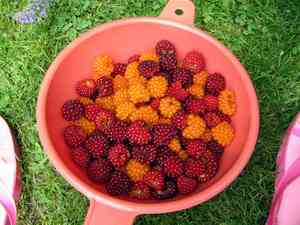
Salmonberry (Rubus spectabilis)
Also known as: Salmon raspberry
The shrub you're describing is the salmonberry (*Rubus spectabilis*), which typically reaches heights between 1.07 and 4 meters. Its fruit resembles raspberries, and it got its name because Native Americans traditionally ate the berries along with salmon or salmon roe. The flavor of the berries can vary, often depending on the growing conditions.
In This Article
Attributes of Salmonberry
Lifespan
Perennial
Plant Type
Shrub
Plant Height
91 cm to 4.5 m
Spread
60 cm
Leaf Color
Green
Flower Size
2.5 cm to 8 cm
Flower Color
Pink Purple Red
Images of Salmonberry
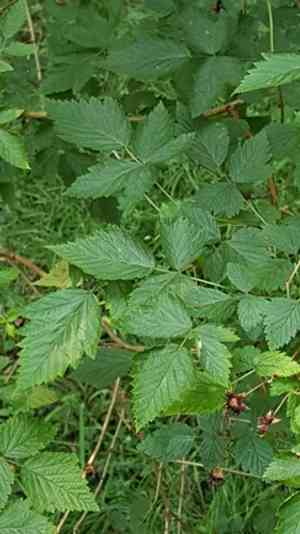
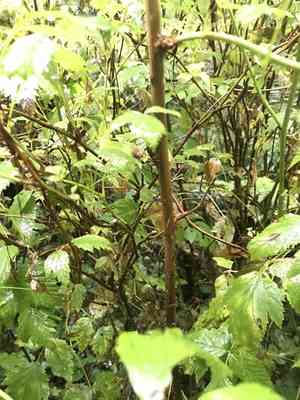
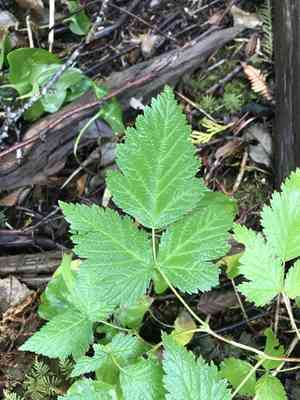
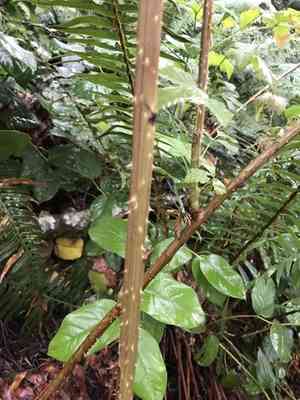
Quickly Identify Salmonberry
1
Robust shrub reaching 3-12 feet (0.9-3.6 meters) with stems covered in prickles.
2
Magenta-pink flowers, 1.5 inches (3.8 cm) wide, with five radial symmetrical petals.
3
Fruit changes from yellow to red, forming 1-1.5 inches (2.5-3.8 cm) spherical drupelet clusters.
4
Stems exhibit winter color shift to golden-brown to rust-red, with prickles on new growth.
Scientific Classification of Salmonberry
Phylum
Vascular plants
Class
Dicotyledons
Order
Rosales
Family
Rose
Genus
Brambles
Species
Salmonberry
Planting and Growing of Salmonberry
Care Difficulty
Easy
Watering Schedule
Every 8 days
Sunlight Requirements
Partial sun
Sunshine Duration
4-6 hours
Ideal Temperature
55-65℉
Soil Type
Potting Mix, Peat Mix
Soil pH
5.5-7
Fertilizer Type
Balanced
Pruning Season
Spring, Summer
Pruning Area
Branches, Leaves
Pruning Frequency
2 times a year
Repotting Season
Spring
Pot Type
Plastic, Ceramic
 How to Water Salmonberry?
When watering Rubus spectabilis, aim for consistency, keeping the soil evenly moist but not waterlogged. This plant thrives when it receives a generous soak that reaches 500 milliliters. Ensure the water penetrates the entire root system, which promotes healthy growth and more vibrant flowers.
More About Watering Techniques→
What are the symptoms of an underwatered Salmonberry?
›
What should I do if my Salmonberry is not getting enough water?
›
What are the symptoms of an overwatered Salmonberry?
›
How to save an overwatered Salmonberry?
›
 What Are the Sunlight Requirements for Salmonberry?
Rubus spectabilis thrives best in partial sun to full shade. This light range helps maintain healthy foliage and encourages robust blooming while protecting against harmful direct sun exposure.
More About Sunlight Requirements Techniques→
What is the ideal lighting condition for Rubus spectabilis?
›
How to ensure ideal lighting for Rubus spectabilis?
›
What benefits does ideal lighting provide for Rubus spectabilis?
›
 What Is the Ideal Temperature Range for Salmonberry?
Rubus spectabilis thrives best within an ideal temperature range of 55°F to 65°F. This range supports optimal photosynthesis, growth, and development of the plant. Staying within these values ensures that the plant can perform cellular functions efficiently and maintain its desired physical characteristics. Avoiding exposure to temperatures outside this range for extended periods helps maintain the plant’s health and productivity.
 What Soil is Best for Salmonberry?
Rubus spectabilis thrives in well-drained soil which prevents waterlogging, a condition that can suffocate the roots and promote root rot. Good drainage ensures that the roots have access to oxygen and can effectively absorb nutrients, promoting healthier growth. This plant benefits from soil rich in organic matter. Nutrient-rich soil provides essential minerals necessary for robust growth and helps maintain adequate moisture levels, which is crucial during dry spells. A soil that retains moisture well is beneficial for Rubus spectabilis, as it helps sustain the plant during dry periods without becoming soggy. The balance of moisture retention supports continuous growth and berry production.
More About Soil→
 How to Fertilize Salmonberry?
For Rubus spectabilis, it is crucial to apply fertilizer in moderation. Liquid fertilizers should be diluted to half strength before application to avoid harming the plant's roots. Slow-release fertilizers should be used sparingly, about 1/4 cup around the base of each plant per application.
More About Fertilizing Techniques→
 How to Prune Salmonberry?
Start by using clean, sharp pruning shears. First, remove any dead or diseased branches to promote overall plant health. Next, thin out any overly dense areas by cutting back a few canes to the base. This enhances air circulation and reduces disease risk. Finally, trim back lateral branches to encourage more branching and fruit production.
More About Pruning Techniques→
 How to Propagate Salmonberry plant?
1
For seed propagation, collect ripe fruits in late summer or autumn. Extract seeds by mashing the fruit and separating the seeds from the pulp, then clean and dry them thoroughly.
2
Select healthy, disease-free stems for cutting propagation. Cut a 4-6 inch length just below a leaf node. Remove the leaves from the bottom half to focus energy on root growth.
3
For division propagation, identify overgrown plants in early spring. Dig up the plant carefully and separate the roots into sections, ensuring each section has roots and shoots for successful replanting.
 How to Repot Salmonberry plant?
1
Recognize the need to repot Rubus spectabilis when you observe roots growing through drainage holes, slowed growth, or compacted soil. Spring is ideal as it aligns with the plant's natural growth cycle, offering the best conditions for recovery and growth.
2
Choose a pot slightly larger than the current one with excellent drainage. An appropriate pot size prevents water stagnation and root rot while ensuring that space is efficiently used to accommodate root expansion without overwhelming them in too much soil.
3
Opt for a well-draining organic mix to help retain necessary moisture without making the roots soggy. This soil choice mimics the plant's natural habitat, fostering a healthy root environment which is crucial for Rubus spectabilis to thrive.



