How to Prune Strawberryleaf raspberry?
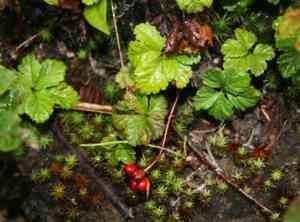
This enduring groundcover is recognized for its decorative qualities and palatable berries. For strawberryleaf raspberry, trim to preserve its form and stimulate fruit yield by eliminating deceased or excessively dense stems in early spring or following the summer harvest. Reducing the number of mature stems fosters fresh development and enhances airflow, thereby lowering the likelihood of illness. Always employ sanitized, keen implements to lessen strain on the plant. Trimming also aids in managing its expansion within the garden, offering the dual advantages of improved well-being and sustained visual appeal.
What Are the Benefits of Pruning Strawberryleaf Raspberry?
What Are the Benefits of Pruning Strawberryleaf Raspberry?
Trimming strawberryleaf raspberry encourages robust development and helps maintain its desired shape. By eliminating old or crowded stems, gardeners promote new, strong shoots, leading to a sturdy plant structure.
What Is the Best Time for Pruning Strawberryleaf Raspberry?
What Is the Best Time for Pruning Strawberryleaf Raspberry?
Pruning during Late Spring allows strawberryleaf raspberry to direct its energy towards developing strong, new growth once the danger of frost has passed, ensuring the plant's resources aren't wasted on branches susceptible to cold damage. Early Summer pruning is advantageous as it coincides with the end of strawberryleaf raspberry's fruiting cycle. This timing enables gardeners to remove any canes that have already produced fruit, as strawberryleaf raspberry fruits on one-year-old canes, preparing the plant for the subsequent season's growth and helping to prevent diseases by improving air circulation through the plant's foliage.
What Tools Do I Need to Prune Strawberryleaf Raspberry?
Hand Pruners
Perfect for cutting small stems and branches of strawberryleaf raspberry, they provide precise cuts without harming the delicate canes.
Bypass Pruners
Their curved, scissor-like design is ideal for making clean cuts on strawberryleaf raspberry's living tissue, fostering healthy regrowth.
Pruning Saw
Useful for cutting through larger stems or canes of strawberryleaf raspberry that hand pruners cannot manage, ensuring a smooth cut without splintering.
Lopping Shears
These are beneficial for reaching into dense growth of strawberryleaf raspberry to trim thicker stems, offering leverage and extended reach.
Gloves
Wearing gloves protects the gardenerâs hands from strawberryleaf raspberry's thorns and potential skin irritants during the pruning process.
Pruning Snips
For detailed work and shaping strawberryleaf raspberry, these offer precision for snipping small shoots and leaves.
How to Prune Strawberryleaf Raspberry
Inspection
Examine strawberryleaf raspberry closely to identify all diseased and withered leaves, as well as any diseased stems that require removal to maintain plant health.
Sanitation
Sterilize pruning shears with a bleach or alcohol solution to prevent the spread of disease while cutting strawberryleaf raspberry.
Pruning Leaves
Carefully trim diseased and withered leaves at their base, avoiding damage to healthy foliage and stems of strawberryleaf raspberry.
Pruning Stems
Cut back diseased stems to ground level or to healthy tissue, making clean cuts to promote rapid healing for strawberryleaf raspberry.
Cleanup
Gather and dispose of all trimmings away from strawberryleaf raspberry to reduce the risk of disease spreading. Clean tools again after finishing.
Common Pruning Mistakes with Strawberryleaf Raspberry
Pruning Healthy Canes
Beginner gardeners often mistake healthy canes for old, unproductive ones. Removing healthy canes on strawberryleaf raspberry can significantly reduce the plant's fruit-bearing capacity.
Over-Pruning
Removing too many canes can weaken strawberryleaf raspberry, making it susceptible to diseases and decreasing its productivity. It's crucial to maintain balance, only removing what's necessary to encourage healthy growth.
Ignoring Deadwood
Failing to remove dead or diseased canes can hinder strawberryleaf raspberry's growth and encourage the spread of pests and diseases throughout the plant.
Uneven Cuts
Improper cutting techniques, such as making jagged or torn cuts, can harm strawberryleaf raspberry by creating entry points for diseases and pests.
Pruning Without Sterilization
Using unsterilized tools can spread disease between plants. This common oversight can have serious consequences for strawberryleaf raspberry.
Common Pruning Tips for Strawberryleaf Raspberry
Selective Thinning
Remove only the oldest canes and those that are visibly damaged or diseased to promote air circulation and light penetration, essential for the well-being of strawberryleaf raspberry.
Proper Cutting Technique
Make clean, angled cuts just above a bud to encourage strawberryleaf raspberry to produce new, healthy growth while reducing the risk of disease.
Maintenance
Regularly inspect strawberryleaf raspberry for dead or diseased wood and remove them promptly to maintain plant health and vigor.
Tool Care
Use sharp, clean pruning tools to make precise cuts that will heal quickly and minimize the potential for disease in strawberryleaf raspberry.
Protect New Canes
When thinning or removing older canes, be careful not to damage the new canes, as they will produce the next season's fruit for strawberryleaf raspberry.



