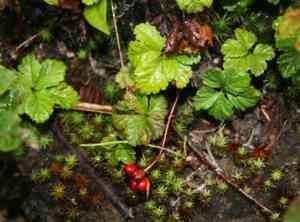
Strawberryleaf raspberry (Rubus pedatus)
Also known as: Five-leaved bramble
Rubus pedatus is a ground-hugging perennial plant featuring smooth, trailing stems without thorns. The leaves are arranged alternately and are deciduous, each composed of five toothed leaflets that resemble those of a strawberry. The plant produces small white flowers, typically 1 to 2 cm in diameter, which appear individually on delicate stalks.
In This Article
Attributes of Strawberryleaf raspberry
Lifespan
Perennial
Plant Type
Herb, Shrub
Plant Height
2.5 cm to 10 cm
Spread
Low-growing, spreading horizontally, typically covering an area of up to one meter.
Leaf Color
Green
Flower Size
1-1.5 cm
Flower Color
White
Images of Strawberryleaf raspberry
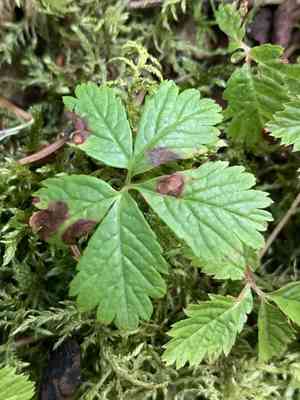
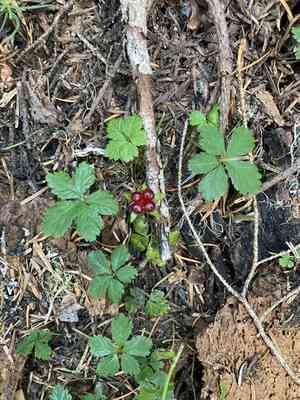
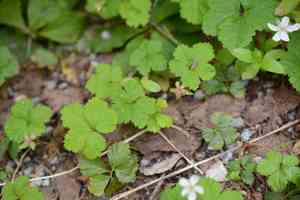
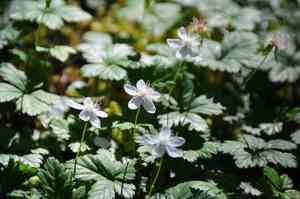
Quickly Identify Strawberryleaf raspberry
1
Prostrate growth habit with sprawling stems
2
Compound leaves with 5 ovate leaflets
3
White flowers, 5 petals spacing wide apart
4
Aggregate drupe fruit, delicate texture
5
Palmate leaf structure resembling a human hand
Scientific Classification of Strawberryleaf raspberry
Phylum
Vascular plants
Class
Dicotyledons
Order
Rosales
Family
Rose
Genus
Brambles
Species
Strawberryleaf raspberry
Planting and Growing of Strawberryleaf raspberry
Care Difficulty
Easy
Watering Schedule
Every 4 days
Sunlight Requirements
Partial sun
Sunshine Duration
4-6 hours
Ideal Temperature
50-70℉
Soil Type
Potting Mix, Peat Mix
Soil pH
5-6.5
Fertilizer Type
Balanced
Pruning Season
Spring, Summer
Pruning Area
Branches, Leaves
Pruning Frequency
2 times a year
Repotting Season
Spring
Pot Type
Plastic, Ceramic
 How to Water Strawberryleaf raspberry?
For Rubus pedatus, it is crucial to maintain consistent moisture without waterlogging the soil. Generally, each watering session should adequately moisten the soil up to a depth of several inches, ensuring the roots receive adequate hydration but not suffocating them. Always adjust watering based on the soil's moisture level and rainfall conditions.
What are the symptoms of an underwatered Strawberryleaf raspberry?
›
What should I do if my Strawberryleaf raspberry is not getting enough water?
›
What are the symptoms of an overwatered Strawberryleaf raspberry?
›
How to save an overwatered Strawberryleaf raspberry?
›
 What Are the Sunlight Requirements for Strawberryleaf raspberry?
Partial sun to full shade is ideal; this ensures Rubus pedatus grows healthily with robust foliage, as excessive light can cause stress and inadequate light can stunt growth.
How much sunlight does Rubus pedatus require?
›
What are the solutions to achieve ideal lighting for Rubus pedatus?
›
What benefits does Rubus pedatus gain from ideal light exposure?
›
 What Is the Ideal Temperature Range for Strawberryleaf raspberry?
The ideal temperature range for Rubus pedatus is between 50°F to 70°F. This range provides the perfect balance for optimal photosynthesis and growth. Maintaining consistent temperatures within this range should result in healthier foliage and berry production.
 What Soil is Best for Strawberryleaf raspberry?
Rubus pedatus thrives in well-drained soil because it prevents root rot and ensures the plant's root system has adequate oxygen. Proper drainage removes excess water, which helps maintain the robust health of this plant. A nutrient-rich substrate is essential as it provides the necessary minerals and elements that Rubus pedatus needs to grow and produce fruit. Fertile soil promotes vigorous growth and enhances fruit yield and quality. Incorporating organic matter like compost into the soil is critical for improving its structure and fertility. It enhances microbial activity, retains moisture, and supplies slow-release nutrients, benefiting Rubus pedatus's continual growth.
 How to Fertilize Strawberryleaf raspberry?
For Rubus pedatus, use a balanced fertilizer with an NPK ratio of 10-10-10. Apply liquid fertilizer at a dilution of 1/4 the recommended strength to avoid harming the plant. For slow-release pellets, apply 1 tablespoon per square foot of soil area.
 How to Prune Strawberryleaf raspberry?
Start by gathering essential tools such as clean, sharp pruning shears, and gloves. Ensure tools are sterilized to prevent the spread of diseases. Pruning Rubus pedatus requires preparing by examining plants and identifying dead or crowded stems to focus on during the process. Begin by cutting away any dead or diseased wood to maintain plant health. Shape the plant by trimming excessive growth and thinning out dense areas, ensuring each stem has enough space for air circulation. Focus on maintaining a natural shape for the best aesthetic appeal. To enhance fruit production, prune Rubus pedatus by removing older canes that have already fruited, encouraging new canes that will produce fruit in the next cycle. This rejuvenates the plant and maximizes fruit yield.
More About Pruning Techniques→
 How to Propagate Strawberryleaf raspberry plant?
1
Gather ripe fruits from the Rubus pedatus plant and extract the seeds carefully. Clean the seeds thoroughly to remove any pulp and then dry them in a cool place. Properly stored seeds can remain viable for extended periods.
2
Select healthy stems from the plant, ensuring they are disease-free and about 10-15 centimeters long. Use sharp pruning shears to make an angled cut just below a node. Remove the bottom leaves, leaving a few at the top.
3
Fill the propagation tray with a seed-starting mix and lightly press the seeds onto the surface. Cover them with a thin layer of soil and gently water. Keep the tray in a warm, well-lit area, ensuring consistent moisture until germination occurs.
 How to Repot Strawberryleaf raspberry plant?
1
Watch for signs like roots outgrowing the pot, reduced growth, or the soil drying quickly. These are indicators that Rubus pedatus needs fresh space and nutrients offered by a new pot.
2
Select a pot slightly larger than the current one with good drainage holes. This helps prevent water stagnation, ensuring healthy root growth and avoiding root rot.
3
Use a loamy, well-draining soil mix enriched with organic matter. This provides the necessary nutrients while allowing excess water to escape, keeping roots healthy and well-aerated.



