How to Propagate Strawberryleaf raspberry?
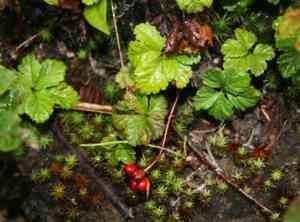
Rubus illecebrosus can be successfully multiplied by planting seeds. Cultivators ought to acquire viable seeds from either ripe berries or trusted vendors. Opt for a growing medium that drains efficiently and is enriched with organic material to foster an ideal setting for seed sprouting. Disperse the seeds on the surface, as they need illumination to germinate, and lightly press them into the substrate without deep burial. Ensure continuous dampness and position them in a location with ample, diffused light. Young plants are ready for relocation once they have developed a strong root structure and exhibit multiple mature leaves.
When Is the Best Time to Propagate Strawberryleaf Raspberry?
Propagation Type
Seeding
Propagation Season
Spring
What Tools Are Used for Strawberryleaf Raspberry Propagation?
Seed trays
Utilized for planting seeds, these containers aid in even seed distribution and ensure adequate growth space for each. For strawberryleaf raspberry, trays with adjustable airflow can provide good circulation, minimizing mold and fungus risks, which is vital during early germination.
Fine seed-starting mix
This growing medium is lighter and more porous than standard potting soil, promoting better root development and easier moisture management. Its fine texture is perfect for the small seeds of strawberryleaf raspberry, ensuring they aren't buried too deeply and can sprout efficiently.
Misting bottle
This tool is crucial for gently watering seeds without dislodging them. The fine spray delivers the necessary moisture for strawberryleaf raspberry seeds to germinate, reducing the chance of disturbing seeds or creating puddles that could lead to fungal issues.
Heat mat
Providing a steady heat source, a heat mat helps maintain an optimal temperature, encouraging quicker and more reliable seed germination for strawberryleaf raspberry. This tool is especially useful in cooler growing environments.
Grow lights
These lights offer a controlled light source, essential for young strawberryleaf raspberry plants if natural sunlight is insufficient. Grow lights ensure adequate illumination for photosynthesis, supporting robust growth after germination.
How to Propagate Strawberryleaf Raspberry?
Propagation Type
Simple
How to Care for Your Newly Propagated Strawberryleaf Raspberry?
How to Care for Your Newly Propagated Strawberryleaf Raspberry?
After propagation, gradually introduce young strawberryleaf raspberry plants to their permanent outdoor spot, initially shielding them from intense sun. Consistent watering is crucial, especially during dry spells, and mulching helps retain soil moisture. Prune regularly to maintain air circulation and prevent overcrowding. Monitor for pests like aphids and caterpillars, treating them as needed to ensure healthy development.
Common Mistakes to Avoid When Propagating Strawberryleaf Raspberry
Overwatering
Excessive water can cause root rot and fungal infections in strawberryleaf raspberry. Too much moisture in the soil prevents roots from breathing, hindering growth and weakening the plant.
Insufficient humidity
Strawberryleaf raspberry thrives in high-humidity environments. Failing to maintain a humid atmosphere around the plant during propagation can decrease the likelihood of successful root development.
Deep planting
Planting strawberryleaf raspberry's cuttings or seedlings too deeply can bury delicate shoots and impede their ability to sprout effectively. This can restrict access to essential air and light, critical for photosynthesis and growth.
Ignoring pre-treatment
Strawberryleaf raspberry's seeds often require pre-treatment to break dormancy. Neglecting this treatment results in lower germination rates, thus impacting propagation success.
Tips For Propagating Strawberryleaf Raspberry
Humidity control
Maintaining a consistently high humidity environment supports strawberryleaf raspberry's needs during root establishment. Using a humidity dome or regularly misting the plants can mimic their natural habitat.
Soil mixture
Using a well-draining soil mix enriched with organic matter like peat moss helps simulate strawberryleaf raspberry's natural growing conditions and supports healthier root development.
Light exposure
Ensuring strawberryleaf raspberry receives moderate light during the propagation phase supports healthy growth without the risk of leaf burn or excessive drying. Indirect sunlight is ideal.
Scoring or scarification
For seed propagation, physically scratching strawberryleaf raspberry's hard seed coat can improve water absorption and encourage germination. This mimics natural processes that weaken the seed coat.



