How to Prune Arctic raspberry?
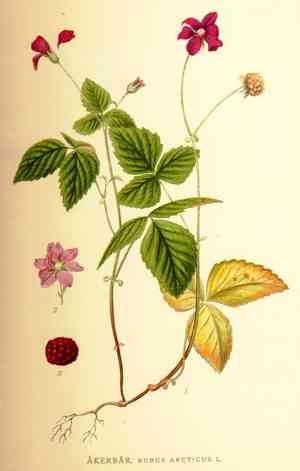
This enduring plant yields vivid berries and flourishes in colder environments. For arctic raspberry, strategic trimming boosts fruit output and plant well-being. Essential methods involve excising deceased or injured stems post-fruiting and reducing crowded sections to foster better airflow. Pruning ought to take place in late spring or early summer, directly following the harvest, to ready the plant for the subsequent growing period. Meticulous pruning of arctic raspberry guarantees consistent harvests and reduces illness, contributing to its overall lifespan and robustness.
What Are the Benefits of Pruning Arctic Raspberry?
What Are the Benefits of Pruning Arctic Raspberry?
Trimming arctic raspberry promotes robust development and helps preserve its desired form. Regular cutting fosters a healthier framework, potentially leading to increased fruit yield and resistance to environmental pressures.
What Is the Best Time for Pruning Arctic Raspberry?
What Is the Best Time for Pruning Arctic Raspberry?
Pruning arctic raspberry from late spring to early summer coincides with the end of its dormant phase and precedes its period of vigorous growth. This timing allows the plant to recover from trimming and channel its energy into generating new growth, blossoms, and subsequently, fruit. It ensures the removal of dead or damaged wood post-winter, reducing disease risk. Pruning within this window also respects the flowering cycle, as arctic raspberry flowers on the current season's growth. Trimming too late in summer or in autumn could negatively affect flower bud formation for the subsequent year.
What Tools Do I Need to Prune Arctic Raspberry?
Hand Pruners
Hand pruners, also known as secateurs, are perfect for trimming and shaping arctic raspberry. Their size and precision enable gardeners to make clean cuts on smaller stems without harming the surrounding plant tissue.
Pruning Saws
For arctic raspberry that might have thicker, woodier stems, a pruning saw is appropriate. It allows for clean cuts through more substantial stems that hand pruners cannot manage.
Loppers
Loppers offer leverage to cut through branches of arctic raspberry that are too thick for hand pruners but not quite large enough to necessitate a saw. They are suitable for reaching into the plant without causing damage to its structure.
Garden Scissors
Garden scissors can be utilized for deadheading and trimming soft foliage or flowers of arctic raspberry. They provide more delicate control for snipping without harming nearby shoots or fruits.
Gloves
Wearing gloves is crucial when pruning arctic raspberry to safeguard hands from thorns and to ensure a firm grip on the pruning implements.
How to Prune Arctic Raspberry
Disinfect Tools
Before pruning arctic raspberry, always ensure that your pruning tools are clean and disinfected to prevent the spread of disease.
Remove Diseased Parts
Carefully remove any diseased leaves and stems from arctic raspberry using sharp pruning shears. Make clean cuts without damaging healthy tissue and dispose of the infected materials properly.
Trim Withered Leaves
Trim off the withered leaves from arctic raspberry to promote better air circulation and light penetration to the remaining healthy foliage, which is essential for the vitality of the plant.
Thin Crowded Areas
Thin out crowded areas of arctic raspberry to strengthen the plant's overall structure, focusing on removing stems that are crossing or rubbing against each other to prevent wounds and potential disease.
Maintain Shape
To maintain the natural shape of arctic raspberry, selectively prune any overreaching stems or shoots that disrupt the plant's balance, aiming for a harmonious, aesthetically pleasing form.
Common Pruning Mistakes with Arctic Raspberry
Overpruning
Removing too much growth at once can stress arctic raspberry and potentially lead to reduced vigor and fewer flowers. It's crucial not to prune more than a third of the plant in a single season.
Improper Tool Use
Utilizing dull or unsanitary tools can result in jagged cuts or transmit diseases to arctic raspberry. Always use sharp, clean pruning shears.
Neglecting Diseased Material
Failing to remove diseased, damaged, or dead canes promptly can allow issues to spread throughout arctic raspberry or weaken the plant's overall health.
Ignoring Plant Structure
Cutting canes without considering the natural growth habit of arctic raspberry can lead to a lack of airflow and sunlight penetration, which are vital for the health and fruit production of the plant.
Common Pruning Tips for Arctic Raspberry
Selective Pruning
By selectively pruning older canes that have already fruited, you encourage arctic raspberry to produce new, more vigorous growth that will bear fruit in following years.
Cutting Angle
Make cuts at a 45-degree angle just above a bud to direct new growth outward from the center of arctic raspberry, fostering better air circulation and sunlight exposure.
Post Harvest Pruning
After arctic raspberry has finished fruiting, it's a good time to trim away any spent canes, thinning out the plant to ensure it's not overly dense.
Sanitation
Keeping the area around arctic raspberry free of debris and removing any fallen leaves or pruned canes will help prevent disease and pest infestation.



