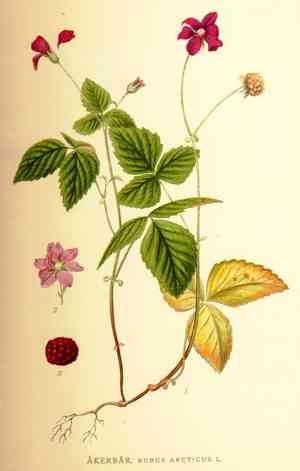
Arctic raspberry (Rubus arcticus)
Also known as: Arctic blackberry, Crimson blackberry, Nagoonberry
The plant you’re referring to is the Arctic Raspberry (Rubus arcticus). This low-growing perennial has creeping stems and trifoliate leaves. It produces delicate pink to white flowers, followed by aromatic, deep red berries. Arctic Raspberry thrives in cold climates such as tundra and boreal forests, where its berries are a cherished summer delicacy for both wildlife and humans.
In This Article
Attributes of Arctic raspberry
Lifespan
Perennial
Plant Type
Herb, Shrub
Plant Height
10 cm to 25 cm
Spread
Creeping habit, typically extends up to 30 cm (12 inches) in diameter
Leaf Color
Green
Flower Size
1 to 1.5 cm (0.4 to 0.6 inches)
Flower Color
Purple Pink
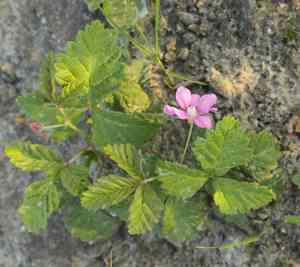
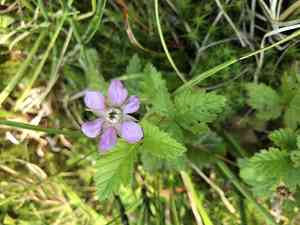
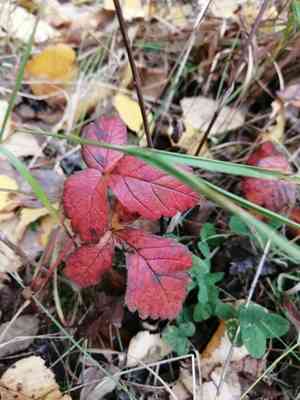
Images of Arctic raspberry
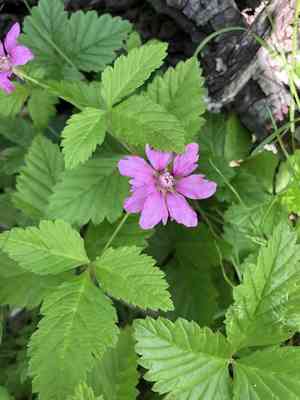
Quickly Identify Arctic raspberry
1
Rubus arcticus can be identified by its low-growing habit, thin and thornless stems, compound leaves with three leaflets, and small pink flowers. The fruits are red, resemble raspberries, and are known for their sweet flavor.
Scientific Classification of Arctic raspberry
Phylum
Vascular plants
Class
Dicotyledons
Order
Rosales
Family
Rose
Genus
Brambles
Species
Arctic raspberry
Planting and Growing of Arctic raspberry
Care Difficulty
Easy
Watering Schedule
Every 4 days
Sunlight Requirements
Partial sun
Sunshine Duration
6-10 hours
Ideal Temperature
50-68℉
Soil Type
Potting Mix, Peat Mix
Soil pH
5-6.5
Fertilizer Type
Balanced
Pruning Season
Spring, Summer
Pruning Area
Branches, Leaves
Pruning Frequency
2 times a year
Repotting Season
Spring
Pot Type
Plastic, Ceramic
 How to Water Arctic raspberry?
Rubus arcticus, also known as Arctic raspberry, thrives with consistent and moderate watering. The soil should be kept evenly moist but not waterlogged. Watering with 250 milliliters at each session allows the roots to absorb moisture without the risk of causing root rot. Ensure the topsoil feels slightly damp to the touch before rewatering.
What are the symptoms of an underwatered Arctic raspberry?
›
What should I do if my Arctic raspberry is not getting enough water?
›
What are the symptoms of an overwatered Arctic raspberry?
›
How to save an overwatered Arctic raspberry?
›
 What Are the Sunlight Requirements for Arctic raspberry?
Rubus arcticus prefers partial to full sun exposure, benefiting from 4 to 6 hours of daily sunlight. This range supports vigorous growth and healthy berry production by providing a balanced amount of light energy.
Optimal Sunlight Duration
›
Strategic Plant Placement
›
Seasonal Light Adjustments
›
 What Is the Ideal Temperature Range for Arctic raspberry?
The ideal temperature range for Rubus arcticus, commonly known as Arctic raspberry, typically falls between 50°F and 68°F. This range ensures optimal growth and fruit production. Temperatures within this range allow for proper physiological processes such as photosynthesis and transpiration to occur at optimal levels.
 What Soil is Best for Arctic raspberry?
Rubus arcticus thrives in well-drained soils which prevent waterlogging. This is crucial for the roots, as it ensures they receive oxygen, reducing the risk of rot and promoting healthy growth. Rich organic soil is essential as it provides the necessary nutrients for Rubus arcticus. This organic content fosters strong growth by improving soil structure and water retention, crucial for berry production. While Rubus arcticus requires well-drained soil, consistent moisture levels are vital. This balance ensures that the plant remains hydrated, which is critical for its growth period and enhances berry quality.
 How to Fertilize Arctic raspberry?
For Rubus arcticus, a moderate amount of fertilizer is recommended. Use approximately ¼ cup of balanced 10-10-10 liquid fertilizer or a similar formula per watering session. Avoid over-fertilization as this can harm the roots, yet ensure consistent nutrient supply to support its growth especially during the growing season.
 How to Prune Arctic raspberry?
Before pruning Rubus arcticus, gather sharp pruning shears or garden scissors. Ensure they are sterilized to prevent disease transmission. Wear gloves to protect your hands from thorns and branches. Start by removing any dead, damaged, or diseased wood. Trim these back to the base to promote healthy growth. Next, cut back old canes that have fruited. Maintain a balance by leaving the new canes that will bear next season's fruit.
More About Pruning Techniques→
 How to Propagate Arctic raspberry plant?
1
Stratify the seeds by placing them in a moist medium in a refrigerator for 2-3 months before planting to mimic natural dormancy breaks and enhance germination potential.
2
Use healthy stems from the parent plant, cut them to about 10-15 cm in length, and ensure each cutting has at least two nodes. Dip the cut ends in rooting hormone to promote root development.
3
Carefully dig up mature plants and divide the crown and root system using a sharp spade or knife. Replant divisions promptly to minimize stress and ensure they retain adequate moisture.
 How to Repot Arctic raspberry plant?
1
Repot Rubus arcticus when you notice the roots emerging from the drainage holes or when the plant's growth seems restricted. This often happens in spring or early summer, providing a fresh start with optimal temperatures for growth.
2
Select a pot that is one size larger than the current one. Opt for a pot with good drainage to prevent waterlogging. A pot that is too big can retain too much moisture, leading to root rot, so choose wisely.
3
A loamy, well-draining soil mix is ideal for Rubus arcticus. This type of soil ensures good air circulation and drainage, which helps prevent issues like root rot while supporting healthy root development.



