Enhancing Your Garden Design with the Arctic raspberry Plant: A Landscaping Guide
1
Incorporating Arctic raspberry into your garden improves its aesthetic value through dynamic seasonal hues.
2
Select a bright spot with soil that drains effectively to support the robust development of Arctic raspberry.
3
Arctic raspberry pairs well with other plants to form a balanced and pleasing garden design.
Appreciating the Visual Appeal of Arctic Raspberry
Emphasizing the distinct aesthetic qualities of Arctic raspberry
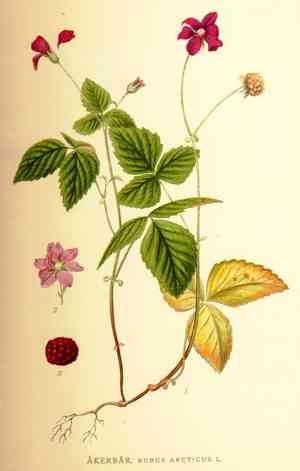
The singular charm of Arctic raspberry stems from its delicate leaves and appealing flowers. Its small, deeply lobed foliage and vivid blooms lend a refined touch to any garden. Despite its modest size, Arctic raspberry makes a strong visual statement, serving as an attractive ground cover or border plant. Its tiny berries also contribute a delightful splash of color, ensuring Arctic raspberry remains visually engaging throughout its active growth period.
Seasonal transformations and their scenic contributions
A remarkable characteristic of Arctic raspberry is its capacity for seasonal change. In spring, it bursts forth with pink blossoms, signaling the onset of the growing season. Summer sees the plant in full bloom, while autumn brings a shift in leaf color, displaying warm tones that enrich your garden's palette. The berries themselves offer visual interest in late summer and provide a charming detail in fall landscapes. These transitions guarantee that Arctic raspberry continuously introduces fresh scenic elements to your garden year-round.
Choosing the Optimal Site for Arctic Raspberry in Your Garden
Evaluating light and shade requirements
For Arctic raspberry to flourish, it needs a balance of sunlight and shade. It prefers a spot where it receives ample morning sun, yet is shielded from the intense afternoon rays. Partial shade conditions are ideal, especially in regions with scorching summer heat. Placing Arctic raspberry in such areas not only encourages robust growth but also helps maintain the plant's vibrant and lush coloration.
Understanding soil preferences
Arctic raspberry thrives best in well-draining, slightly acidic soil. It's crucial to avoid heavy clay soils that retain excessive moisture, as this can lead to root rot. Amending your garden soil with compost or organic matter can improve its drainage, creating an optimal growing environment. Before planting, conduct a soil test to confirm it meets the plant's pH preferences, typically between 5.5 and 6.5.
Strategic placement for visual impact and plant health
The positioning of Arctic raspberry should be deliberate, considering both its visual appeal and well-being. Think about integrating it into rock gardens, alongside paths, or as an edging plant to create a soft, natural transition between different garden zones. Avoid locations that are excessively windy or prone to waterlogging. Proper spacing is vital, as it allows for adequate air circulation, reducing the risk of fungal diseases. Consider how Arctic raspberry will fit into your garden's overall look and plant it accordingly to achieve a cohesive and aesthetically pleasing landscape.
Integrating Arctic Raspberry with Other Plants
Selecting compatible plants for shared habitats
Arctic raspberry blends seamlessly with various plants, making it a versatile addition to any garden. Consider pairing it with other ground covers or low-growing plants that have similar light and soil needs. Plants like alpine strawberries, creeping thyme, or low-growing hostas can complement Arctic raspberry's appearance and growing conditions. Ensuring compatibility helps foster a harmonious and visually pleasing garden.
Design suggestions for mixed plant beds
When designing mixed plant beds featuring Arctic raspberry, pay close attention to the arrangement and spacing of different plants. Aim for a balance of colors, textures, and heights to create a dynamic and engaging visual effect. Group Arctic raspberry in clusters for a more substantial visual impact, and intersperse taller plants or shrubs periodically to add vertical interest. This not only enhances the garden's aesthetics but also ensures each plant has sufficient space to grow and thrive.
Caring for Arctic Raspberry in a Landscaped Setting
Fundamental maintenance advice
Caring for Arctic raspberry involves consistent watering, particularly during dry spells, to keep the soil uniformly moist but not waterlogged. Apply mulch around the plants to retain moisture and suppress weeds. Fertilize annually with a balanced, slow-release fertilizer to encourage healthy growth. Monitor for pests and diseases, and initiate treatment promptly if any issues arise. Regular observation and care are essential for maintaining a healthy and vibrant plant.
Seasonal upkeep and pruning practices
Seasonal maintenance is crucial for keeping Arctic raspberry looking its best. In early spring, trim back any dead or damaged foliage to stimulate new growth. During the growing season, occasional light pruning can help maintain its shape and encourage denser, bushier growth. In the fall, clear away fallen leaves and debris around the plants to prevent diseases from taking hold over winter. Adhering to these seasonal tasks ensures that Arctic raspberry remains a perennial highlight in your garden.
Utilizing Arctic Raspberry as a Central Feature in Landscape Design
Crafting visually striking focal points
To employ Arctic raspberry as a focal point in your landscape design, consider placing it in a prominent position where its unique qualities can be fully appreciated. A standalone bed or a central spot in a garden border can draw attention to its delicate beauty. Use companion plants with contrasting colors to frame and accentuate Arctic raspberry, making it the star of the display.
Examples of successful Arctic raspberry applications in landscape designs
Many successful landscape designs prominently feature Arctic raspberry. For instance, a rock garden showcasing Arctic raspberry among various succulents and alpines can create a visually stunning arrangement. Pathways bordered with Arctic raspberry can guide the eye through the garden, providing continuity and a touch of natural elegance. Another popular design is a woodland garden where Arctic raspberry is interspersed with ferns and shade-loving perennials, creating a tranquil and cohesive environment. These examples demonstrate the versatility and beauty of Arctic raspberry when thoughtfully integrated into landscape design.



