How to Prune Curve-pod yellowcress?
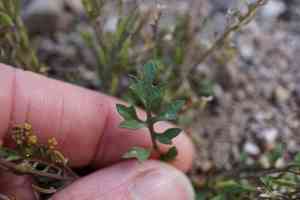
Rorippa curvipes, a robust, ground-hugging perennial, is recognized by its vibrant yellow blossoms and distinctive curved seed capsules. To ensure peak condition, undertake trimming during the spring, summer, or autumn seasons. Shorten elongated stems to foster a denser habit and swiftly eliminate any lifeless or ailing sections. This practice enhances air circulation and diminishes the likelihood of illness, leading to abundant flowering. Concentrate on sculpting the plant to preserve its inherent structure and vigor, taking care not to over-prune.
What Are the Benefits of Pruning Curve-pod Yellowcress?
What Are the Benefits of Pruning Curve-pod Yellowcress?
Curve-pod yellowcress responds favorably to trimming, leading to robust growth and a well-defined form. Regular trimming promotes vigorous development, prevents spindly growth, and enhances the plant's resilience to pests and illnesses. Timely trimming can improve overall visual appeal and manage plant dimensions.
What Is the Best Time for Pruning Curve-pod Yellowcress?
What Is the Best Time for Pruning Curve-pod Yellowcress?
Trimming curve-pod yellowcress in Spring, Summer, and Fall is ideal due to its growth cycle. Spring trimming encourages healthy new shoots and prepares the plant for its main growing season. Summer trimming helps maintain the plant's shape and size, preventing overcrowding and improving air circulation, which reduces disease. Fall trimming allows for the removal of any dead or damaged foliage from the growing season, readying curve-pod yellowcress for dormancy.
What Tools Do I Need to Prune Curve-pod Yellowcress?
Bypass Pruners
Perfect for clean cuts on living stems and branches. They help prevent crushing plant tissue, which is crucial for curve-pod yellowcress's overall vitality.
Pruning Shears
Useful for trimming smaller areas of growth and maintaining the shape of curve-pod yellowcress. They enable more detailed work.
Hand Pruners
Suitable for cutting thin stems and removing spent flowers. They are convenient for quick, minor trimming tasks.
Gloves
Essential for protecting hands when handling curve-pod yellowcress. They help prevent injuries from thorns or rough plant material.
Disinfecting Solution
Important for sanitizing tools between uses to prevent disease transmission. Crucial during any trimming activity.
How to Prune Curve-pod Yellowcress
ReadyEquipment
Gather necessary gardening implements including clean, sharp pruning shears or scissors.
IdentifyParts
Examine curve-pod yellowcress and pinpoint any withered leaves that require removal.
CutLeaves
Using the pruning shears, cut the withered leaves at their base where they connect to the stem. Ensure a clean cut to avoid harming the plant.
Dispose
Collect and properly discard all removed foliage to prevent potential disease spread.
Inspect
After trimming, inspect curve-pod yellowcress for any additional signs of damage or disease, and take appropriate action if needed.
Common Pruning Mistakes with Curve-pod Yellowcress
Over-pruning
Removing too much of the plant can weaken curve-pod yellowcress and hinder its ability to grow and bloom properly.
Improper cuts
Making jagged or uneven cuts can damage plant tissue and increase the risk of disease.
Pruning at the wrong time
Trimming curve-pod yellowcress during its active growth periods can stress the plant and reduce its vigor.
Using dirty or dull tools
Dirty or dull tools can introduce pathogens and create rough cuts, leading to infection and poor healing.
Common Pruning Tips for Curve-pod Yellowcress
Sanitize tools
Always clean your trimming tools before and after use to prevent the spread of disease.
Sharp tools
Use sharp, well-maintained tools to make clean cuts that heal quickly and reduce the risk of infection.
Moderation
Remove only a third of the plant at a time to avoid stressing curve-pod yellowcress and to promote healthy regrowth.
Precise cuts
Make precise cuts just above a bud or leaf node to encourage new growth in the desired direction.
Trim dead or damaged parts
Regularly remove dead, diseased, or damaged parts to maintain plant health and prevent the spread of disease within curve-pod yellowcress.
Observe plant response
After initial trimming, observe how curve-pod yellowcress responds before continuing to trim. This helps to ensure you do not over-prune and allows the plant to adjust.



