How to Propagate Curve-pod yellowcress?
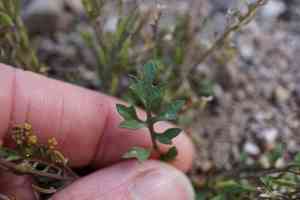
Rorippa curvipes is a perennial herb that flourishes in aquatic habitats like riverbanks and swamps. For propagation, plant seeds in damp earth, guaranteeing sufficient hydration. Separate young plants when they are robust enough to manage and relocate them to their permanent spot. Sustaining a perpetually moist setting will foster robust development and successful establishment of Rorippa curvipes.
Optimal Period for Propagating Curve-pod Yellowcress?
Propagation Method
Seeding
Propagation Period
Spring
Equipment Used for Curve-pod Yellowcress Propagation?
Seed Trays
Used for planting curve-pod yellowcress seeds, these trays offer a controlled setting for germination. They enable structured planting and simple monitoring of seedling growth. Seed trays also aid in even moisture distribution, vital for the initial growth of curve-pod yellowcress.
Seed Starting Mix
A fine-textured, light substrate is crucial for planting curve-pod yellowcress. This mix guarantees good air circulation, proper water drainage, and sufficient moisture retention, all key elements for successful seed germination and early root formation.
Watering Can with Fine Rose
A watering can equipped with a fine rose delivers a gentle, uniform spray of water, preventing the displacement of seeds or harm to delicate curve-pod yellowcress seedlings. Consistent and adequate watering helps maintain ideal moisture levels, fostering healthy development.
Humidity Dome
A clear humidity dome can be placed over seed trays to maintain high humidity. This is especially beneficial for curve-pod yellowcress, as it helps create a microenvironment that supports higher germination rates by reducing water loss and providing consistent warmth.
Labeling Tags
Using labels to mark planted areas in trays prevents confusion and helps track the progress of curve-pod yellowcress. Proper labeling ensures each batch of seeds is correctly identified, allowing for more accurate monitoring and care.
Heat Mat
Seedling heat mats positioned beneath seed trays can provide a consistent warm temperature, promoting faster and more uniform germination of curve-pod yellowcress. The extra warmth from these mats is often essential in cooler environments.
Mister Spray Bottle
A mister allows for gentle spraying of seedlings, keeping the soil moist without over-saturating. This is crucial during the early stages of curve-pod yellowcress propagation, as excessive water can lead to damping-off disease.
Sterile Containers
Employing sterile containers helps prevent the introduction of pathogens that could harm the seeds or young curve-pod yellowcress plants. Ensuring cleanliness in all propagation tools is vital for maintaining plant health.
How to Propagate Curve-pod Yellowcress?
Propagation Difficulty
Simple
How to Care for Your Newly Propagated Curve-pod Yellowcress?
How to Care for Your Newly Propagated Curve-pod Yellowcress?
Once curve-pod yellowcress seedlings are established, they should be moved to a location with full sun to partial shade. Ensure the soil stays damp but not waterlogged. Regularly check for pests and diseases. Provide support if necessary, as curve-pod yellowcress can thrive in both terrestrial and aquatic settings.
Common Mistakes to Avoid When Propagating Curve-pod Yellowcress
Overwatering
This can lead to root rot and fungal infections, which can severely damage or kill young plants.
Improper Soil Choice
Using dense, poorly-draining soil can impede root development and water runoff, resulting in stunted growth.
Insufficient Light
Lack of adequate light can cause weak, leggy growth and hinder the plantâs ability to photosynthesize effectively.
Incorrect Pot Size
Starting with a pot that is too large or too small can either lead to waterlogging or restrict root expansion, respectively.
Neglecting Temperature Control
Exposing plants to temperatures that are too cold or too hot can stunt their growth and potentially lead to death.
Tips For Propagating Curve-pod Yellowcress
Use Well-Draining Soil
Choose a sandy or loamy soil mixture to ensure proper drainage and root development.
Maintain Proper Watering Schedule
Keep the soil moist but not waterlogged, ensuring roots have access to water without sitting in excess moisture.
Ensure Adequate Light
Place plants in a spot that receives direct sunlight for several hours daily or use grow lights to supplement natural light.
Start with Appropriately Sized Pots
Use small pots or trays for initial propagation, transitioning to larger containers as plants grow to avoid waterlogging and support root expansion.
Monitor Temperature
Maintain a consistent temperature range conducive to curve-pod yellowcress's growth; avoid exposing plants to drafts or extreme temperature fluctuations.



