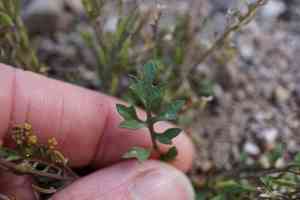
Curve-pod yellowcress (Rorippa curvisiliqua)
Also known as: Curvepod Yellowcress
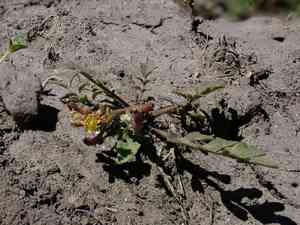
Curve-pod yellowcress is characterized by its wavy, elongated seedpods that uniquely arch away from its thin stems. This plant produces small yellow flowers during the spring and summer seasons, flourishing in moist, semi-aquatic habitats. Its fleshy, serrated leaves showcase its ability to adapt to different water conditions, making it a reliable inhabitant of streams and wetlands.
In This Article
Attributes of Curve-pod yellowcress
Lifespan
Annual
Plant Type
Herb
Plant Height
10 cm to 51 cm
Spread
N/A
Leaf Color
Green
Flower Size
0.5 to 1 cm
Flower Color
Yellow
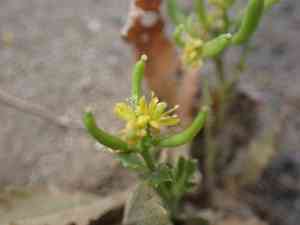
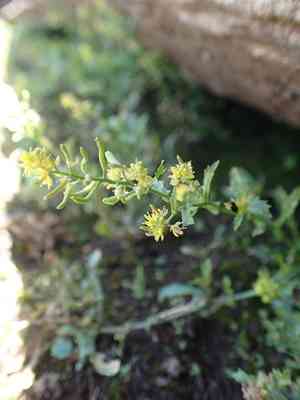
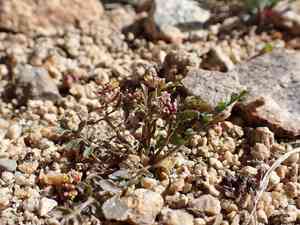
Images of Curve-pod yellowcress
Quickly Identify Curve-pod yellowcress
1
This plant can be identified by its small, yellow flowers and curved seed pods. The leaves are typically pinnately divided, and it often forms dense clusters.
Scientific Classification of Curve-pod yellowcress
Phylum
Vascular plants
Class
Dicotyledons
Order
Brassicales
Family
Cruciferae
Genus
Yellowcresses
Species
Curve-pod yellowcress
Planting and Growing of Curve-pod yellowcress
Care Difficulty
Easy
Watering Schedule
Every 6 days
Sunlight Requirements
Partial sun
Sunshine Duration
6-10 hours
Ideal Temperature
60-75℉
Soil Type
Potting Mix, Peat Mix
Soil pH
6.5-7.5
Fertilizer Type
Balanced
Pruning Season
Spring, Summer
Pruning Area
Branches, Leaves
Pruning Frequency
2 times a year
Repotting Season
Spring
Pot Type
Plastic, Ceramic
 How to Water Curve-pod yellowcress?
Rorippa curvisiliqua thrives best when the soil is evenly moist but not waterlogged. This means giving it around 200 ml per watering session, ensuring the soil feels slightly damp to the touch. It's crucial to allow the top inch of the soil to dry out before the next watering to avoid root rot.
What are the symptoms of an underwatered Curve-pod yellowcress?
›
What should I do if my Curve-pod yellowcress is not getting enough water?
›
What are the symptoms of an overwatered Curve-pod yellowcress?
›
How to save an overwatered Curve-pod yellowcress?
›
 What Are the Sunlight Requirements for Curve-pod yellowcress?
Partial sun exposure, ideally 4 to 6 hours daily, provides Rorippa curvisiliqua with enough energy for photosynthesis, fostering a healthy, vigorous plant with lush greenery and steady growth rates.
What are the ideal lighting conditions?
›
How can I achieve these ideal conditions?
›
What are the benefits of ideal lighting?
›
 What Is the Ideal Temperature Range for Curve-pod yellowcress?
Rorippa curvisiliqua thrives best in temperatures ranging from 60°F to 75°F. This range provides optimal conditions for growth, allowing the plant to perform essential physiological processes such as photosynthesis and respiration efficiently. Maintaining this temperature range will promote healthy plant development and ensure vibrant foliage.
 What Soil is Best for Curve-pod yellowcress?
Rorippa curvisiliqua thrives in well-drained soil, ensuring that its roots do not sit in water, which can lead to root rot. This helps the plant to maintain its health and continue growing robustly. Providing a nutrient-rich soil is essential as it supplies the necessary minerals and organic matter needed for this plant's growth. This promotes vigorous foliage and enhances the plant's overall vitality. This plant requires soil that retains moderate moisture without becoming waterlogged. Consistent hydration prevents wilt and supports steady growth, making sure the plant remains lush and vibrant.
 How to Fertilize Curve-pod yellowcress?
For Rorippa curvisiliqua, it's important to provide a balanced fertilizer application. During the growing season, apply a liquid fertilizer diluted at half the recommended strength to avoid excessive nutrient build-up. For slow-release fertilizer, use a small amount, around one tablespoon per plant per application.
 How to Prune Curve-pod yellowcress?
Start by removing any dead, damaged, or diseased leaves and stems. This encourages healthy new growth and prevents the spread of disease within your Rorippa curvisiliqua. Make clean cuts just above a node or leaf joint. After removing the unhealthy parts, focus on shaping the plant. Prune back overgrown branches to maintain a desirable size and shape. This not only keeps the plant looking tidy but also ensures that light reaches all parts of the plant evenly.
More About Pruning Techniques→
 How to Propagate Curve-pod yellowcress plant?
1
Choose healthy seeds from a reputable source. Ensure the seeds are not expired by checking the packet date, as old seeds have a lower germination rate.
2
Fill the seed tray with potting mix up to the brim. Lightly firm the surface but avoid compacting the soil too much to ensure good airflow around the developing seeds.
3
Evenly distribute the seeds over the surface of the potting mix. Cover them lightly with a thin layer of soil or vermiculite and water gently to initiate germination.
 How to Repot Curve-pod yellowcress plant?
1
Rorippa curvisiliqua should be repotted when you notice roots emerging from the drainage holes or if the growth appears stunted. These signs indicate that the plant has outgrown its current pot and needs more space for root expansion.
2
Select a pot that's one to two inches larger in diameter than the current one. Ensure it has adequate drainage holes to prevent waterlogging, which could lead to root rot. The right pot will balance moisture and aeration, promoting healthy growth.
3
Opt for a soil mix that retains moisture yet drains well, such as a combination of loam, sand, and perlite. This blend supports Rorippa curvisiliqua by maintaining the necessary moisture levels while preventing over-saturation, fostering robust root development.
Learn More About Curve-pod yellowcress Diseases
Bacterial Leaf Spot
Bacterial Soft Rot
Clubroot
Cyst Nematode
Damping-off
Downy Mildew
Drought Stress
Fusarium Wilt
Gray Mold
Leaf Spot
Mosaic
Nutrient Deficiency
Nutrient Toxicity
Powdery Mildew
Root Rot
Root-knot Nematode
Rusts
Spider Mites
Temperature Stress
Thrips Damage
White Mold
Chemical Injury



